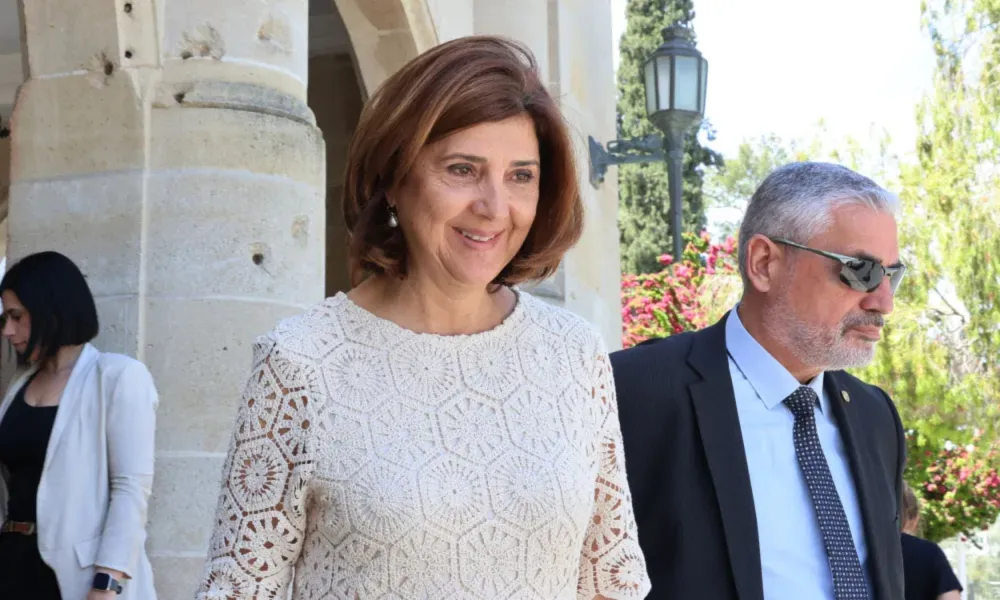

UN Personal Envoy María Ángela Holguín returns to the island end of October to meet the two leaders in what will probably be her last visit as Cyprus envoy.
Holguín comes hoping to see progress mainly on methodology and confidence-building measures (CBMs).
Contract renewal unlikely
According to reliable sources, Holguín will come at October’s end for around one week, to meet with each leader separately and possibly in a trilateral. It may be her last visit as her term ends, along with that of Guterres, in December. In late November, the personal envoy will start compiling a report on her mission for the eyes of the UN Secretary-General. Unless a real willingness to move forward is manifested, a renewal of contract seems unlikely, said a source.
Holguín has remained in communication with both President Nikos Christodoulides and Turkish Cypriot leader Tufan Erhürman throughout this period, encouraging both to make progress on the issues at hand.
Methodology and smaller CBMs
Beyond big CBMs, which seem to have got the sides stuck in a quagmire, Holguín wants to see the leaders work towards agreement on methodology, having raised the issue with both sides in New York. They need clarity on the rules of the game and a road map for the way forward. Do they have a shared vision of what they want to create together?
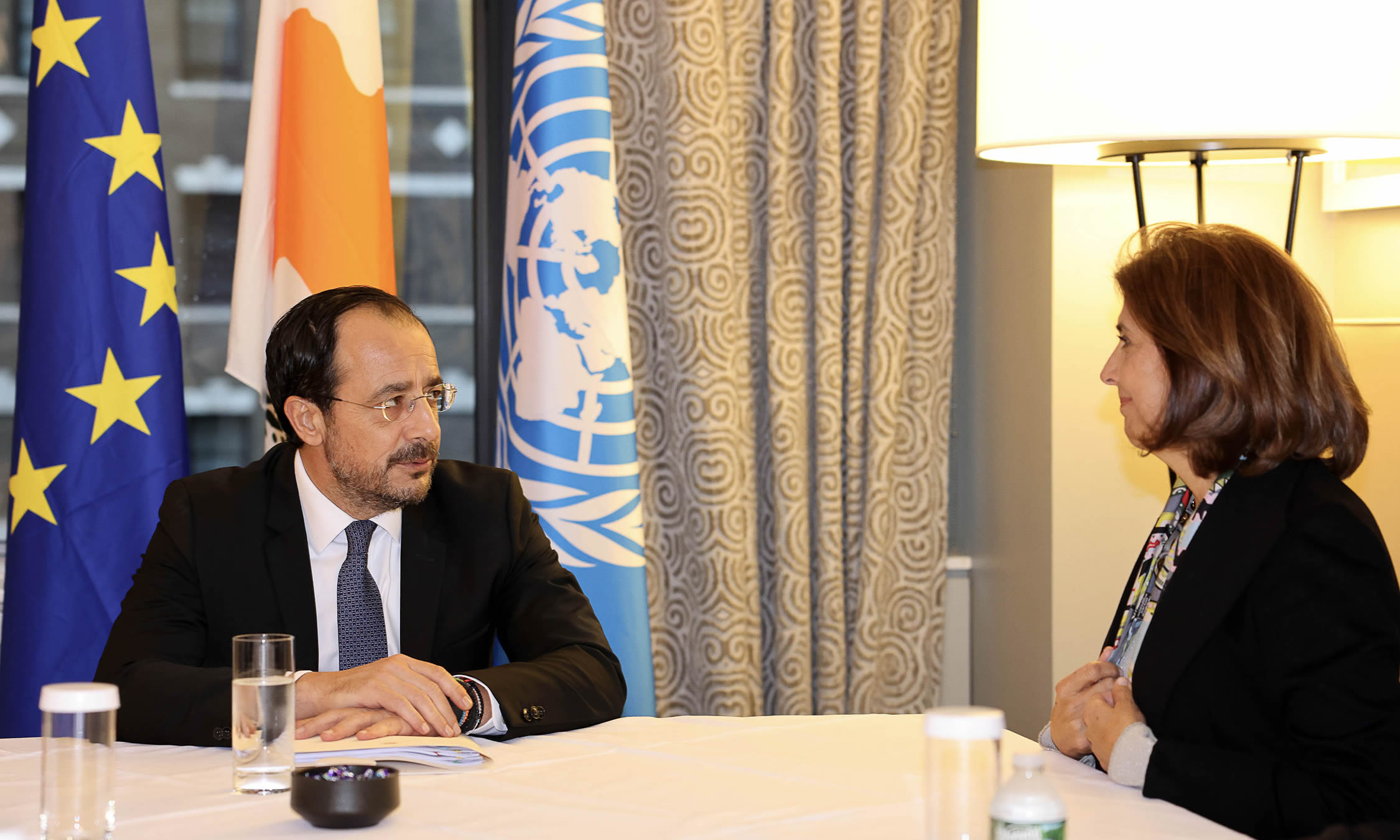
At present, the two leaders have different visions and proposals on how future peace talks should take place, making little progress to date on closing the gap, said one source.
The UN will also explore options for even smaller breakthroughs on certain CBMs, possibly through the bicommunal technical committees, in an effort to meet some of the expectations that people on both sides still have for progress towards a settlement.
Three months gone
Holguín was last in Cyprus in late July, accompanying UN Secretary-General António Guterres as he tried to encourage a breakthrough that would unlock the door to an enlarged conference.
Guterres left the island with a clear message for both leaders – make progress on CBMs, methodology and substance if you want to go to a larger meeting with the guarantor powers.
The UN has been very clear it does not want to repeat mistakes of the past. The previous 5+1 meetings in New York and Geneva in 2025 may have produced agreements in principle on CBMs – with implementation still pending on some – but they also produced confrontation, misunderstandings and no progress on resuming peace talks.
Ahead of the UN General Assembly (UNGA), Guterres himself ruled out any trilateral or 5+1 meetings on the sidelines of the UNGA, saying there was still much work to be done before considering that.
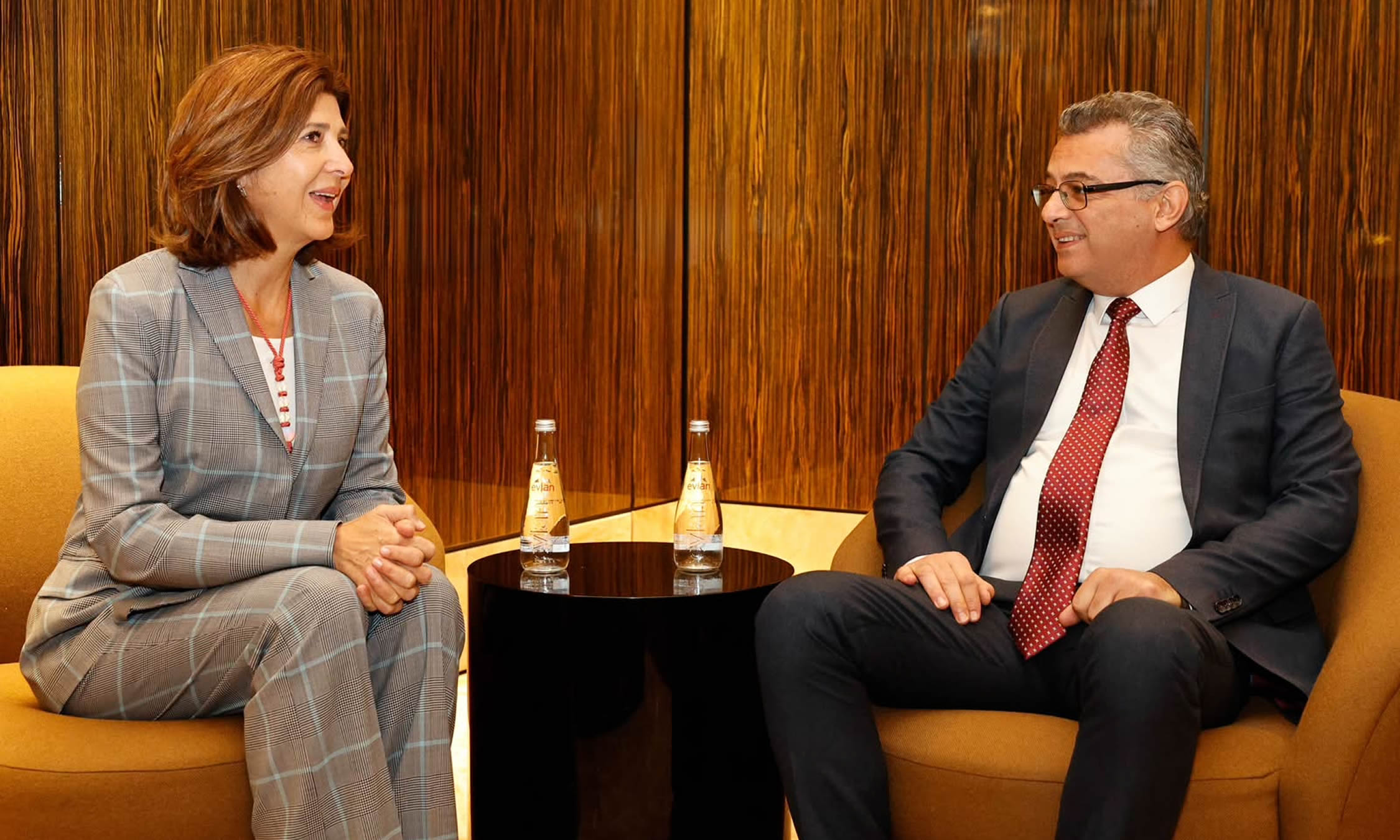
Holguín had planned to visit Cyprus in September ahead of the UNGA but cancelled due to illness. Instead, she and Guterres met with the leaders separately in New York. Christodoulides said afterwards that his 19 “new ideas” for moving forward were “very positively” received by the UN Secretary-General. Politis understands that the UN does not have his ideas in writing, indicating they were given orally.
On the leaders’ return to the island, the mood soured as each tried to point the finger at the other for the lack of developments in New York.
The long wait for progress
The leaders have met four times since Guterres’ visit but have yet to announce any breakthrough on CBMs, methodology or substance, beyond announcing members of the Civil Society Consultative Body’s Steering Committee.
At their last meeting on Tuesday, one source said they had a “good” discussion on some CBMs. However, they have yet to break the camel’s back on major trust-building initiatives such as the opening of new crossing points.
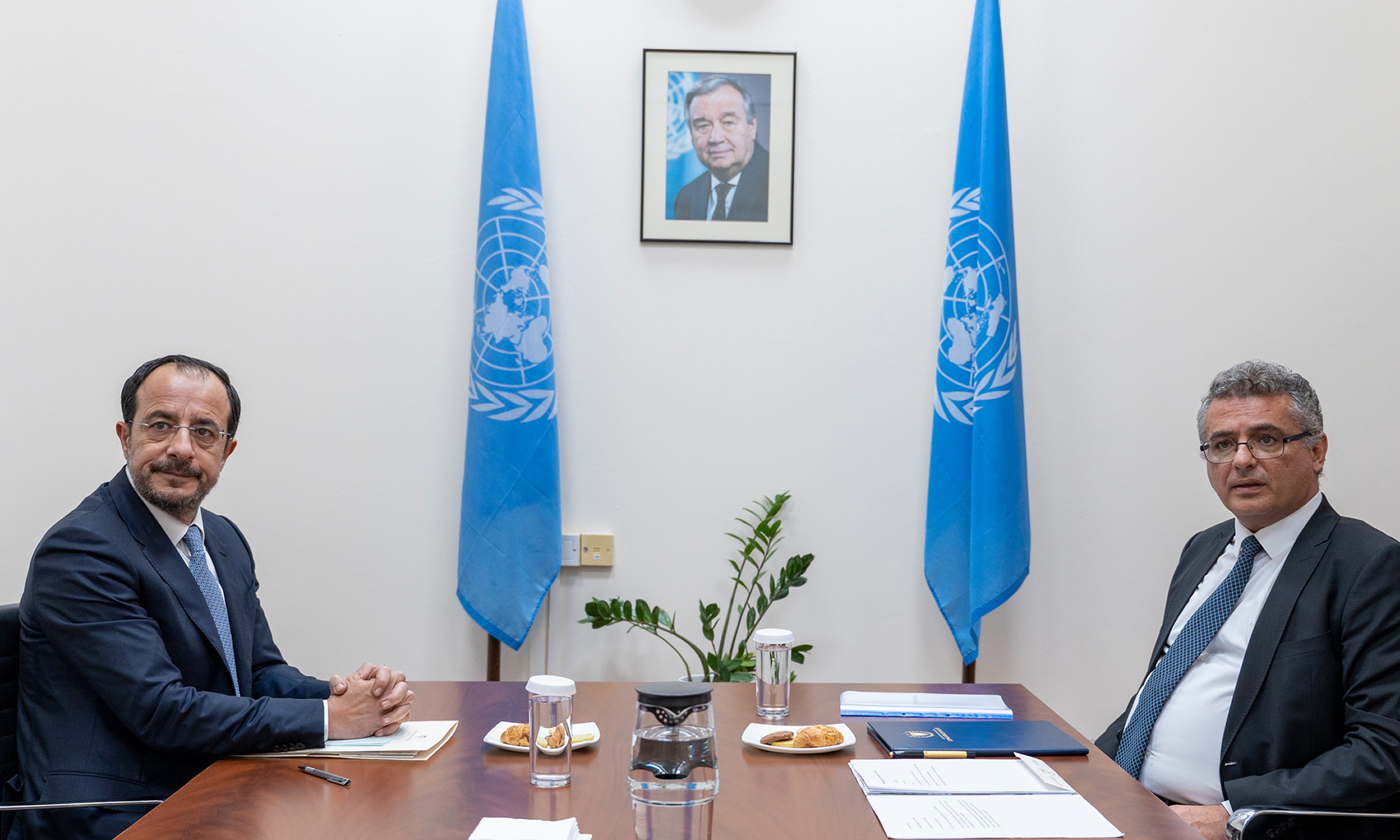
What they did do, however, was show capacity for collaboration on optics. They agreed to jointly attend the bicommunal festival in Pyla this Saturday. They will also provide tangible political support to bicommunal efforts by attending several Technical Committee meetings.
Who jumps first
Ultimately, it is for the leaders to decide on the issues within their powers – as opposed to areas Ankara has clear influence over. It is less a question of who will jump first, but can they jump together?
Perhaps a round of zivania in Pyla on Saturday will help prepare the ground for progress. But interpersonal relations have never really been the problem in Cyprus.
Should the festival go well and Holguín’s visit bring results, the two leaders will have to keep in mind their burgeoning collaboration on optics when both go to Antalya next month for the UN COP31, unless they want to see a souring of the climate again.