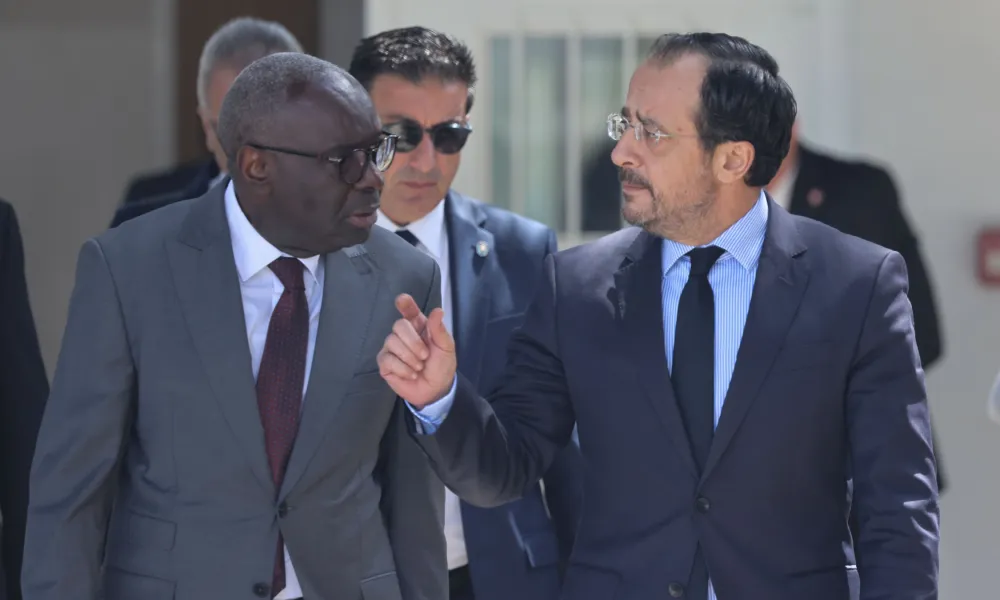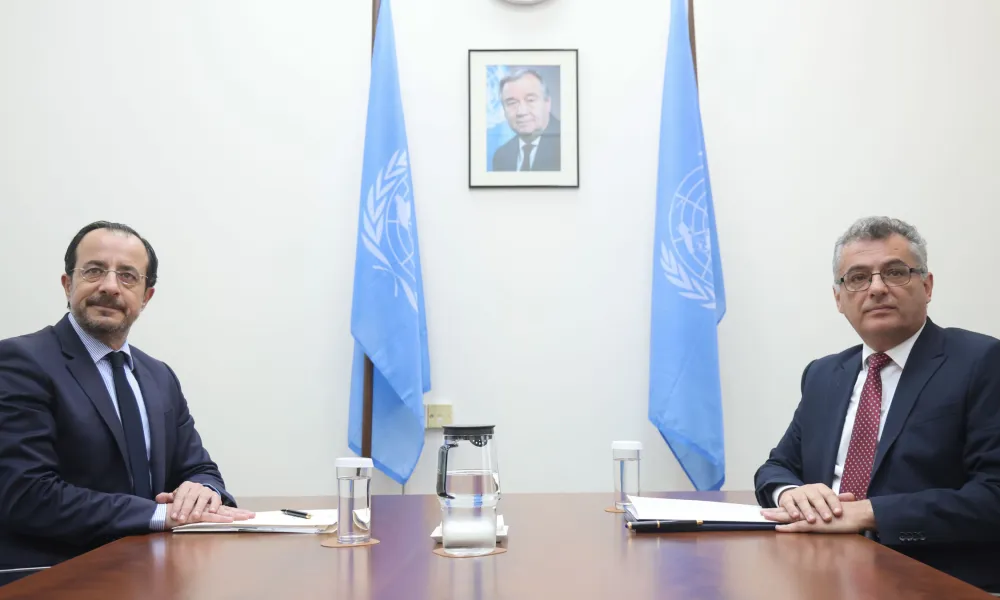

The two leaders meet on Tuesday for the first time in almost a month, with the intervening period characterised by an acrimonious exchange of views over the lack of developments in New York and issues related to the supposedly confidence-building measures (CBMs).
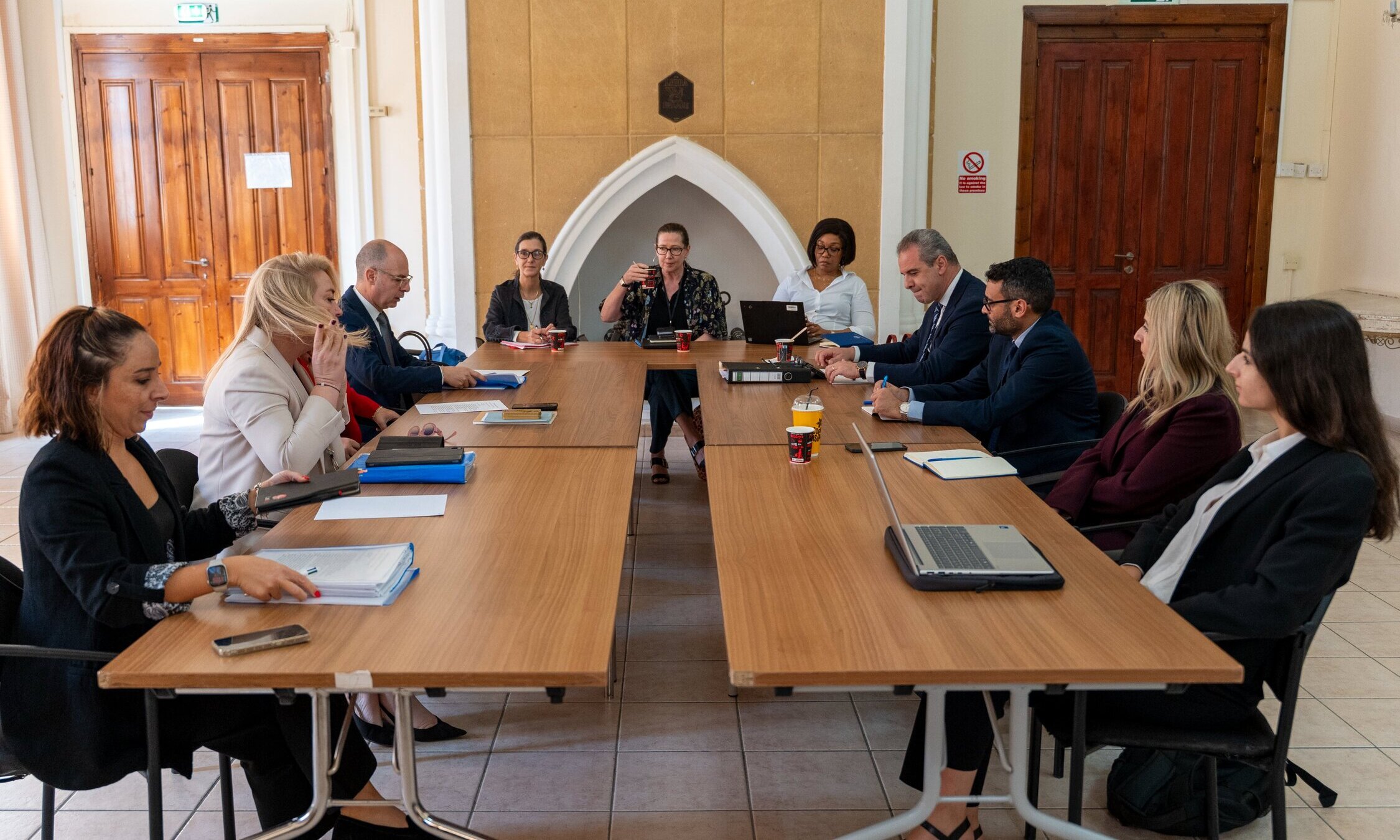
Their two negotiators met last Friday to prepare the ground for tomorrow’s meeting following a month of less than encouraging comments from the two leaders on the state of play in the peace effort. Despite lack of agreement on significant CBMs, and increasing animosity over who is being more or less constructive, the UN continues to insist that the sides need to work on methodology in the coming period.
Glass half full
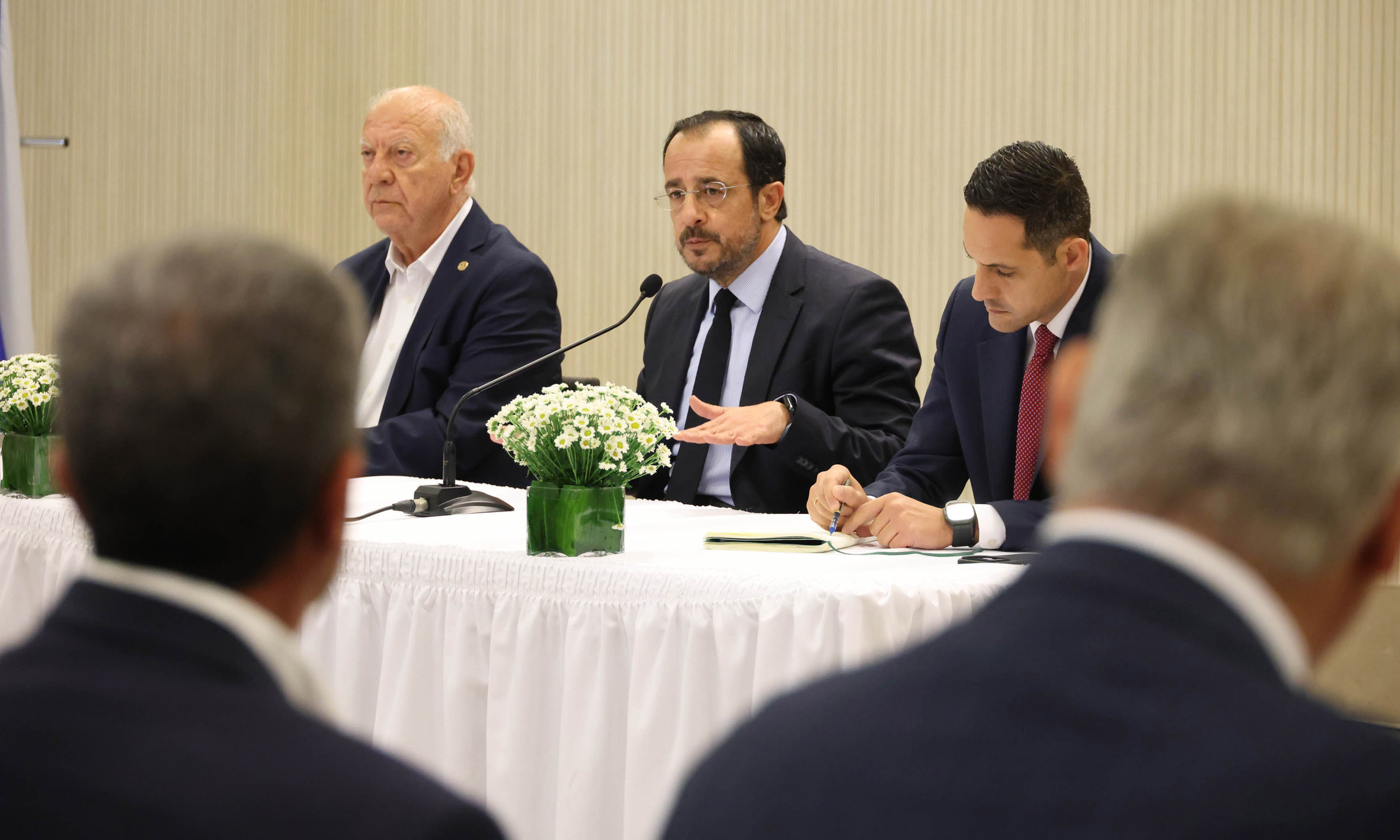
In his latest public comments, President Nikos Christodoulides remains optimistic that a solution is feasible. At an anti-occupation rally on Saturday, he said he is ready for concessions “that serve the goal of a functional and viable solution”.
Speaking today, Monday, to the Morphou Municipal Council, the president referred to a “window of opportunity” and “certain developments” that can serve as the basis for resuming talks, such as the recently completed UN convergences document.
On his 19 “new ideas”, proposed at the last leaders’ meeting on 17 September, Christodoulides argued, rather than focus on proposals already rejected by the Turkish side, his “new ideas” could help close the gap and give impetus to the process. He said he hoped to have a substantive dialogue on these new proposals with Turkish Cypriot leader Tufan Erhürman during Tuesday’s meeting.
Christodoulides also highlighted the EU-Turkey track, noting Ankara’s interest in upgrading EU relations, specifically on the Customs Union. Despite referring to EU Special Representative Raffaele Fitto’s upcoming meetings with the Turkish government, no such contacts have been scheduled yet, based on Fitto’s public agenda.
A month of acrimony
At New York, on the sidelines of the UN General Assembly, Erhürman turned down an invite by Christodoulides to hold a trilateral meeting with UN chief António Guterres.
The president indicated from New York that some are adopting a “negative approach” in the hope of departing from the established solution parameters post-Guterres. His negotiator, Menelaos Menelaou, accused the Turkish Cypriot side of “delaying tactics”.
In a press conference on his return, Erhürman argued Christodoloulides offered nothing new and so did not see the point in the trilateral.
He accused the president of “moving the goalposts” by effectively dumping 19 new issues on the table before flying off to New York, instead of trying to resolve the seven CBMs already under discussion.
Erhürman also focused on 13 “confidence-eroding actions” undertaken by the Greek Cypriot side, including efforts to cancel cultural, sporting and diplomatic engagements, which he argues undermine the climate for peace talks.
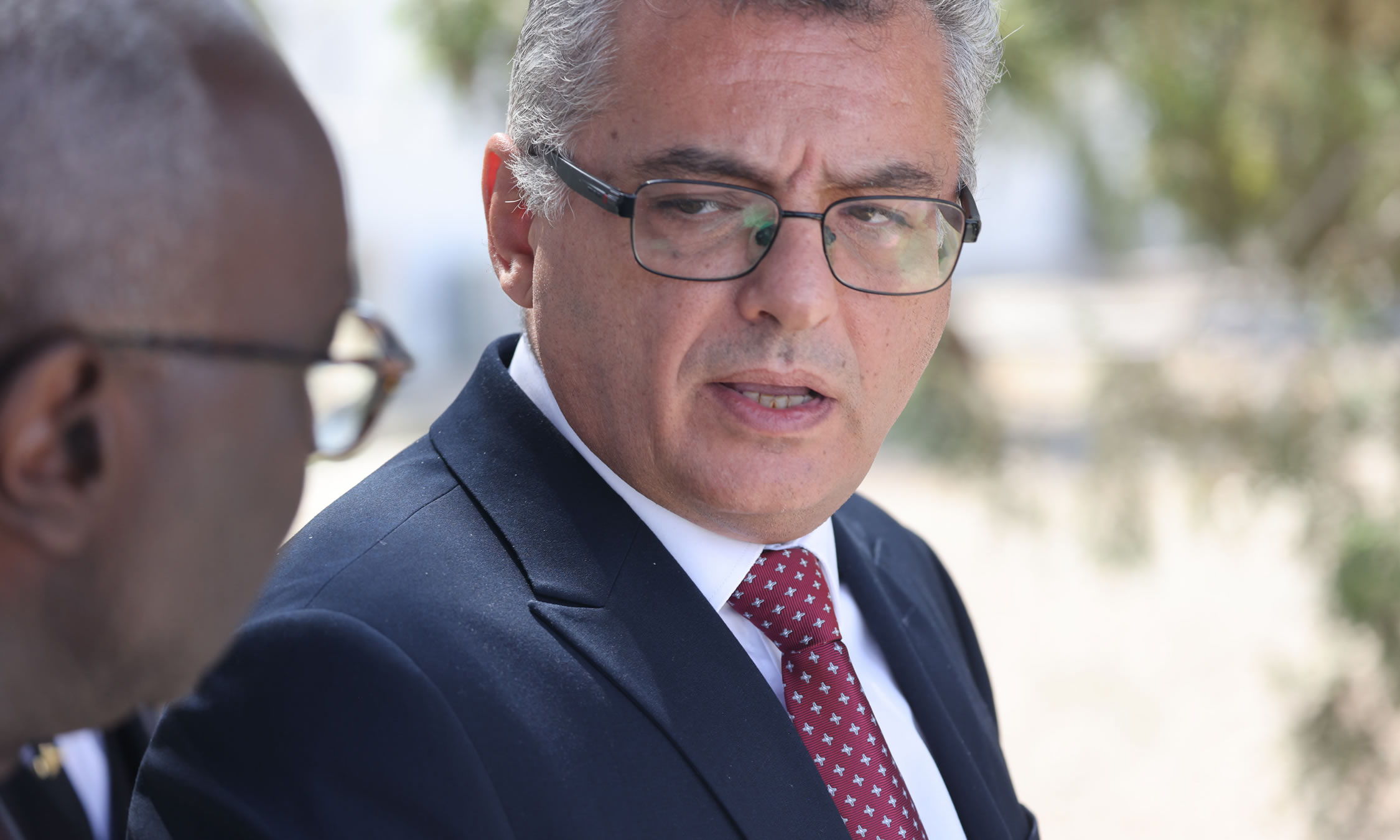
While Erhürman says he is ready to agree on six of the seven CBMs (excluding crossings), Government Spokesperson Konstantinos Letymbiotis counters that the Turkish Cypriot side has yet to reply to a Greek Cypriot proposal on demining tabled in May 2025 and has expressed reservations on setting up a Technical Committee on Natural Disasters.
A well-informed Greek Cypriot source suggested the Turkish Cypriot leader was playing with numbers while focusing on the negatives. They claimed many CBMs have actually been agreed and implemented, both unilaterally and bilaterally, including 40 projects undertaken by the Technical Committees in the last two years. They further argued that all issues, ‘new’ or ‘old’, should be subject to good faith discussions on their merits.
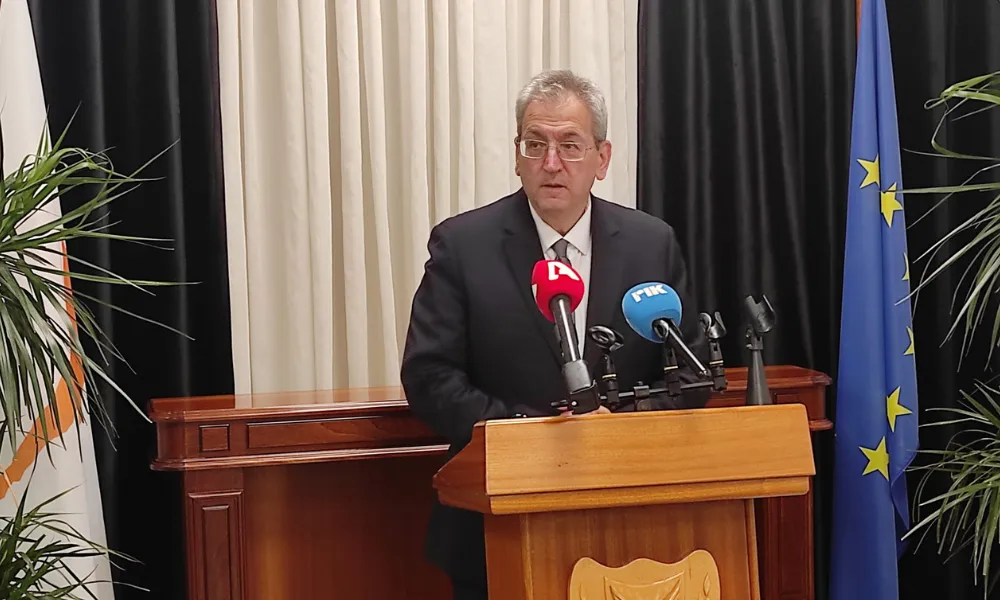
Asked on Monday to comment on the 19 new proposals, Letymbiotis refused to go into detail, saying that the entire political leadership has been briefed on each of the 19 proposals.
The government also refused to confirm or deny a media report that surfaced a week last Sunday claiming one of the “new ideas” was based on a 2006 proposal to open Varosha to its lawful inhabitants under UN administration in tandem with the opening of Famagusta port under EU supervision.
The report prompted Erhürman to ask who could have leaked such a proposal since only the leaders were in the room when Christodoulides gave an oral account of his 19 “new ideas”.
Waiting for Holguín
Meanwhile, according to informed sources, and despite all proposals submitted to date, the UN is stressing the need for the two sides to work on methodology.
As for the pending arrival of UN Personal Envoy María Ángela Holguín, a date has yet to be set for her return to Cyprus, despite her saying she will come in October.
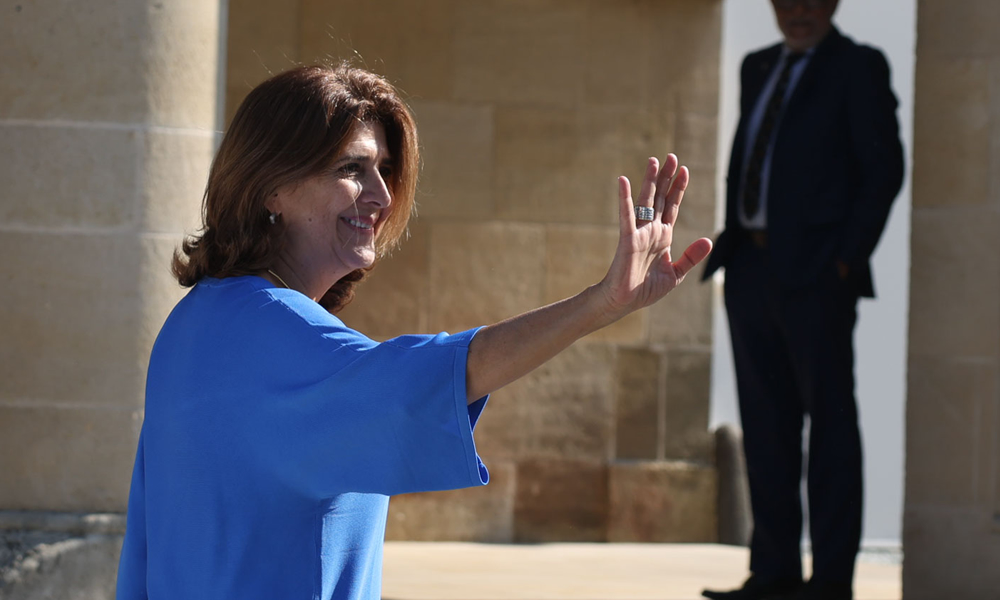
Following the absence of progress in New York, Holguín encouraged both parties “to create the conducive environment for the start of a new process”. In an interview with ANKA News, she appeared to admonish the Greek Cypriot side for trying to restrict Turkish Cypriot contact with third parties, saying negotiations “arise from an understanding and acceptance of the other side and its existence”.
Regarding methodology, Holguín said she expects to see proposals from both sides on how the process of negotiations will unfold, ones that “do not create early barriers”.
On CBMs, the envoy essentially called on the leaders to “urgently” implement CBMs already agreed by both sides, the inference being to focus on existing issues, rather than “new” ones.
On crossing points, Holguín referred to the benefits of opening Athienou-Aglandjia, Mia Milia and Louroujina-Lymbia, while leaving out any mention of Kokkina.
The envoy also clarified the UN’s decision on the convergences document covering the body of work from 2015 to 2017, saying it will only be delivered to the parties “when they start negotiations” – an apparent nod to Turkish Cypriot objections to delivering the document earlier.
It’s worth noting these convergences do not cover the full negotiating acquis of the peace process and do not include position papers or discussion documents tabled at Crans-Montana.
Speaking on Monday, Letymbiotis said the understanding during Guterres’ Cyprus visit was that the document would be provided to all parties on completion so they could give their comments and a common understanding emerge, enabling the resumption of talks.
On Tuesday’s meeting, he said, with political will, the leaders could achieve substantial progress on crossing points.