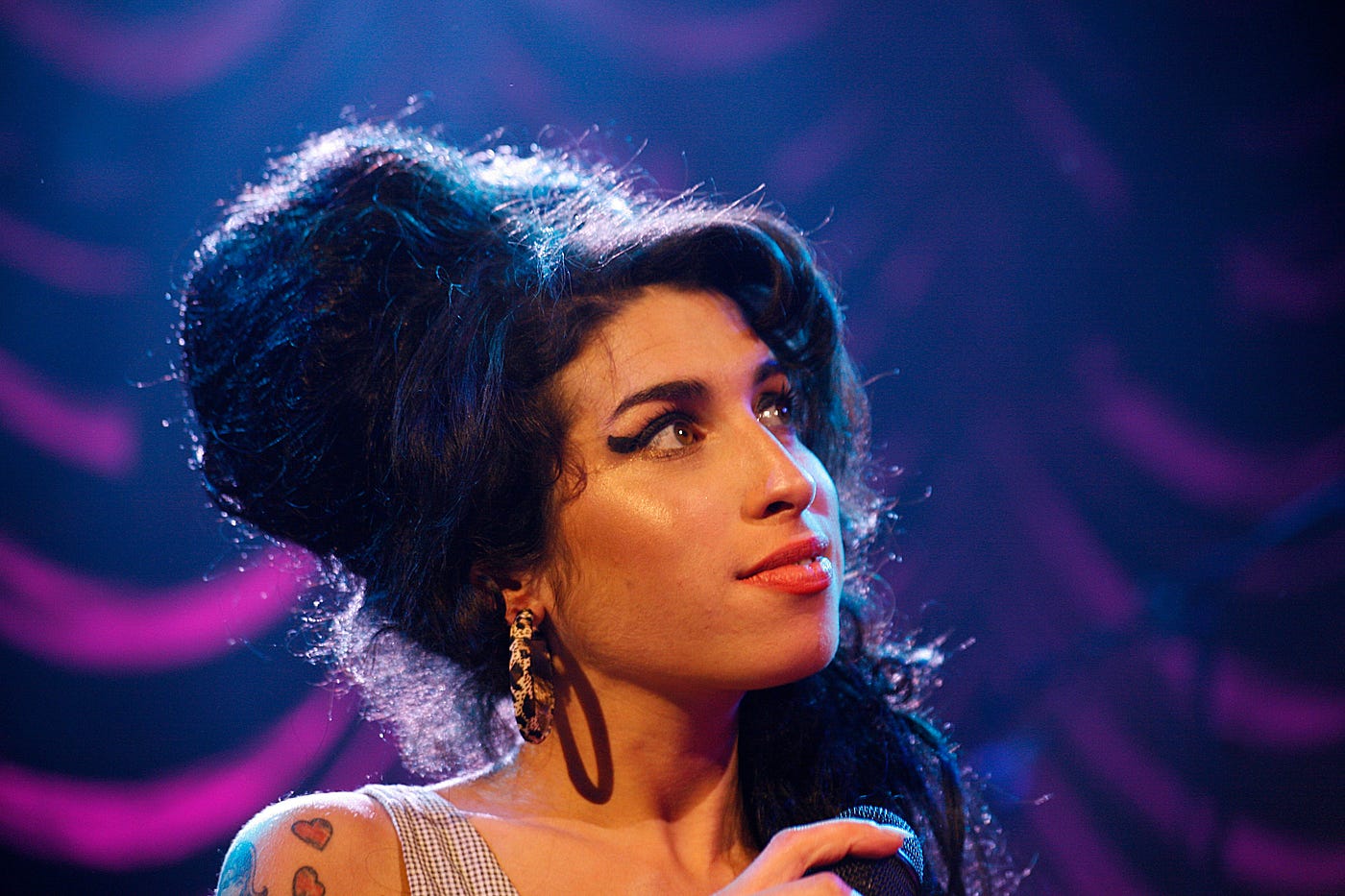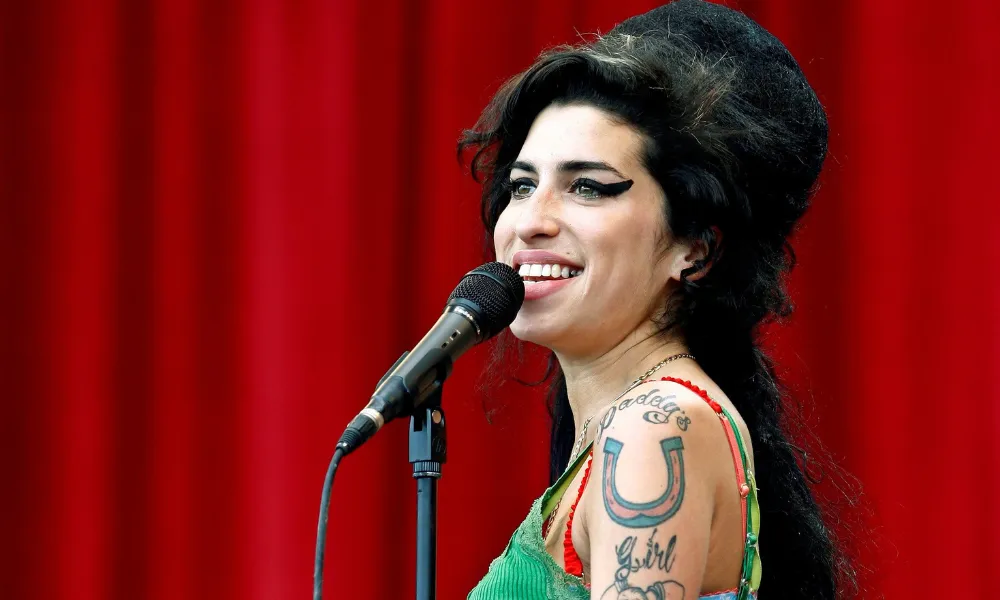

Fifteen years ago today, on 23 July 2011, Amy Winehouse died at her home in London at the age of just 27, cutting short one of the most distinctive careers in modern music. Her death silenced a voice that had, in barely a decade, revived the sound of soul and jazz for a new generation and turned personal confession into some of the era's most enduring songs.
A jazz obsession, long before the fame
Born Amy Jade Winehouse on 14 September 1983 in London, she grew up steeped in music and drawn early to jazz singers like Sarah Vaughan, Dinah Washington and Aretha Franklin. Fame was never really the goal. What she wanted, by her own account, was to be taken seriously as a jazz vocalist and to write songs with real emotional weight behind them.
Her 2003 debut, Frank, hinted at that talent. It was the follow-up that made her a household name.
Back to Black: the album that changed everything
Released in 2006, Back to Black became one of the defining records of the 21st century. Tracks like "Rehab", "Back to Black", "You Know I'm No Good" and "Tears Dry on Their Own" were more than hits. They captured heartbreak, addiction and self-destruction with a rawness that resonated far beyond her own life story, and that honesty was both her greatest strength and, at times, her undoing.
The album earned her five Grammy Awards in 2008, including Album of the Year, cementing her as one of the defining artists of her generation.
The collaborations that shaped her legacy
Mark Ronson, who produced Back to Black, helped craft its signature blend of vintage soul and modern production, a partnership that included her celebrated cover of the Zutons' "Valerie".
In 2011, she recorded "Body and Soul" with jazz legend Tony Bennett, a 1930s standard that became her final studio recording before her death. Bennett later spoke of her as an artist with a genuinely authentic jazz sensibility, a description that meant a great deal to Winehouse given how close jazz was to her original ambitions.
Earlier collaborations included a 2006 rendition of "Don't Go Strangers" with Paul Weller, and a memorable live performance of "Ain't Too Proud to Beg" alongside Mick Jagger at the Isle of Wight Festival in 2007. Jagger later spoke publicly of his concern for Winehouse, having watched a major talent struggle in plain view.
Behind the headlines
Despite the success, Winehouse's life was marked by very public struggles with addiction and intense media scrutiny. Her close friend Tyler James has said she never truly wanted fame; what she wanted was to sing, to create, and to have a quiet family life.
Fifteen years on, her influence is still audible in a new generation of artists, and her songs remain as immediate as when they were written. Winehouse's legacy was never just the eyeliner and the beehive. It was an ability to turn personal pain into music that has, so far, refused to fade.