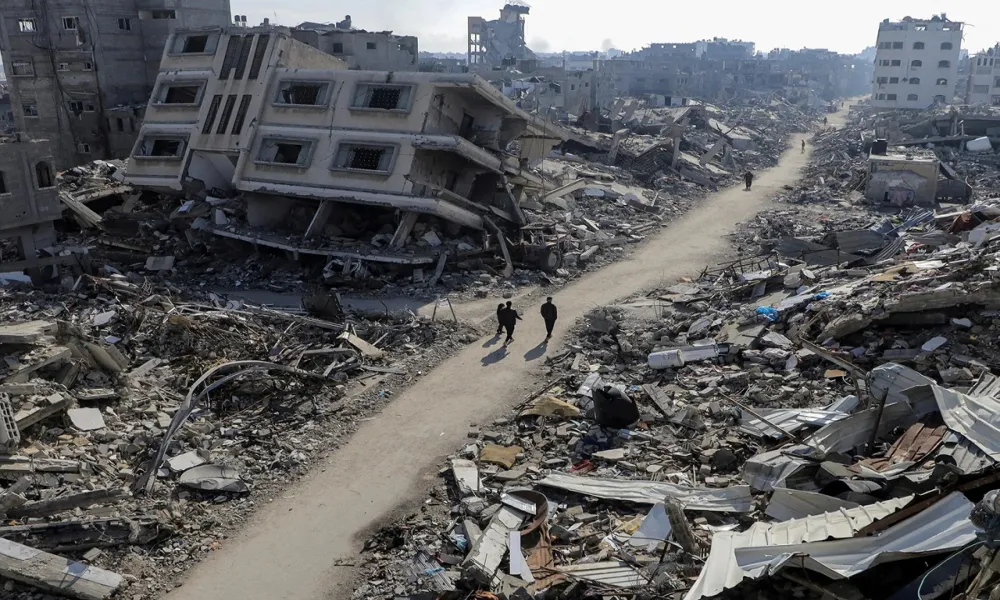
Israel and Hamas have formally signed and agreed to the first phase of a ceasefire and hostage-release deal unveiled by US President Donald Trump, marking the first tangible breakthrough in efforts to end the two-year war in Gaza. Mediators confirmed the signing on Thursday (12 p.m. Cyprus time), saying the accord lays out an initial truce, the release of hostages and prisoners, and humanitarian access, a framework they hope will pave the way for broader negotiations toward a permanent ceasefire.
The understanding, reached in indirect talks in Sharm el-Sheikh with support from Qatar, Egypt and Turkey, foresees the release of hostages held in Gaza and an Israeli pullback to agreed lines, with details to be finalised and signed by the parties.
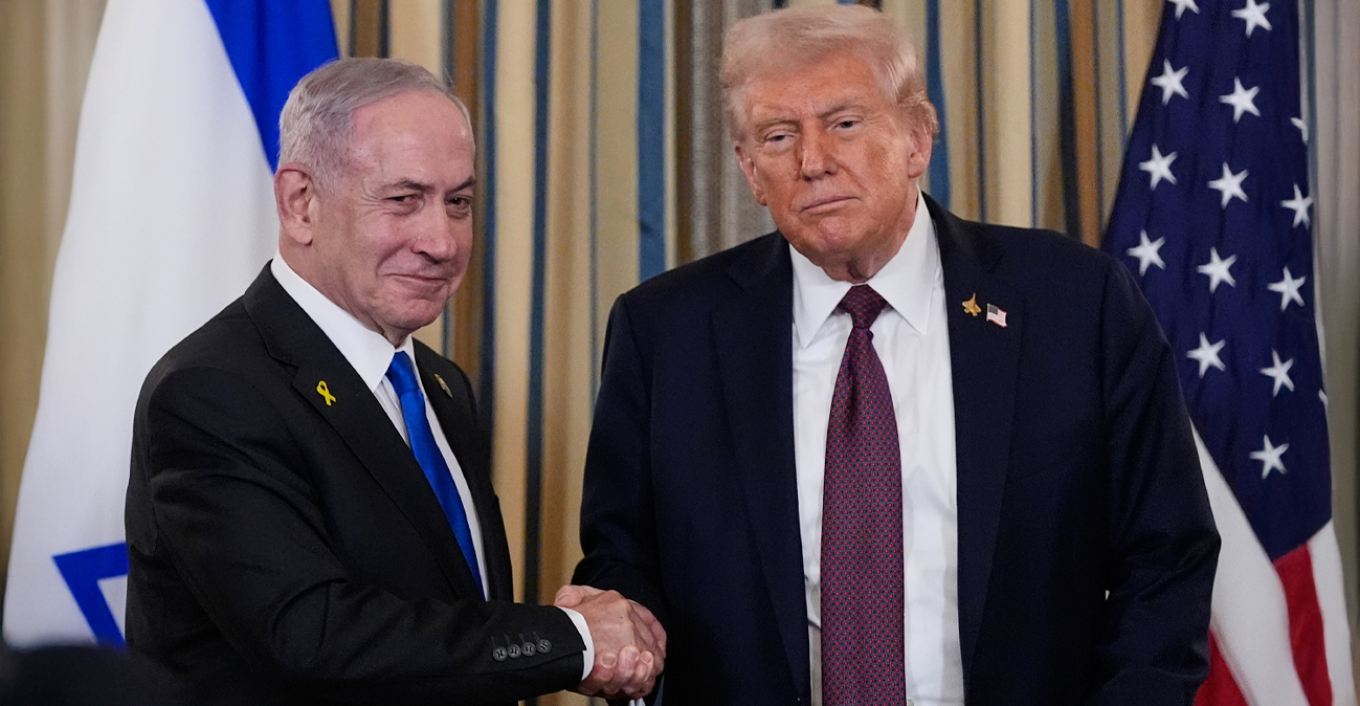
Trump said on social media that “ALL of the Hostages will be released very soon,” while Israeli Prime Minister Benjamin Netanyahu welcomed “a big day for Israel” and said he would convene the government to approve the agreement on Thursday. Hamas confirmed it had accepted terms for a ceasefire that include an Israeli withdrawal and a prisoner-hostage exchange, while urging guarantor states to ensure full implementation. Reuters reported that the first releases are to be expected within the following days.
An end to war?
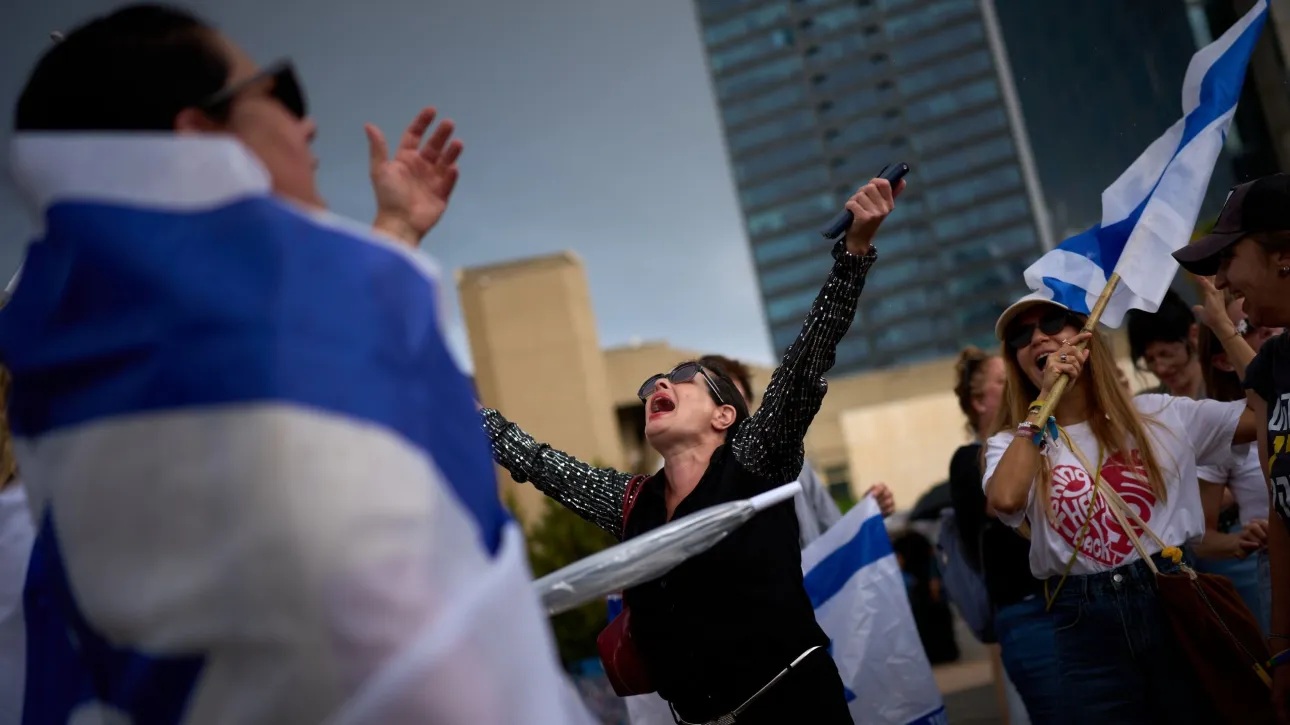
Celebrations broke out in Tel Aviv’s “Hostages Square” and in parts of Gaza after the announcement, even as isolated Israeli strikes continued overnight. Gaza authorities say more than 67,000 people have been killed since Israel’s campaign began after the October 7, 2023 Hamas attack that killed about 1,200 in Israel and led to the abduction of 251 people, according to Israeli officials. Families of hostages expressed relief but stressed that implementation will be the true test.
Key operational questions remain. Sources cited by Reuters said sequencing issues – such as the timetable for Israeli troop movements, the exchange list for Palestinian prisoners, and mechanisms to verify compliance – could still derail the deal, as has happened to previous efforts. The plan’s next stages, and the post-war administration of Gaza, were not immediately detailed.
Peace, aid and two-state solution
World reaction was swift and largely supportive. UN Secretary-General António Guterres welcomed the breakthrough, calling for full adherence to the terms, immediate humanitarian access and a credible political path toward a two-state solution. U.K. Prime Minister Keir Starmer called it a moment of “profound relief” and pressed for the rapid lifting of restrictions on life-saving aid. European Commission President Ursula von der Leyen commended the diplomatic efforts of the US, Qatar, Egypt, and Turkey in achieving the breakthrough and called on all parties to fully uphold the terms of the agreement. “The suffering must end,” she said. The Commission chief highlighted the opportunity “to forge a credible political path toward lasting peace and security […] firmly anchored in the two-state solution.”
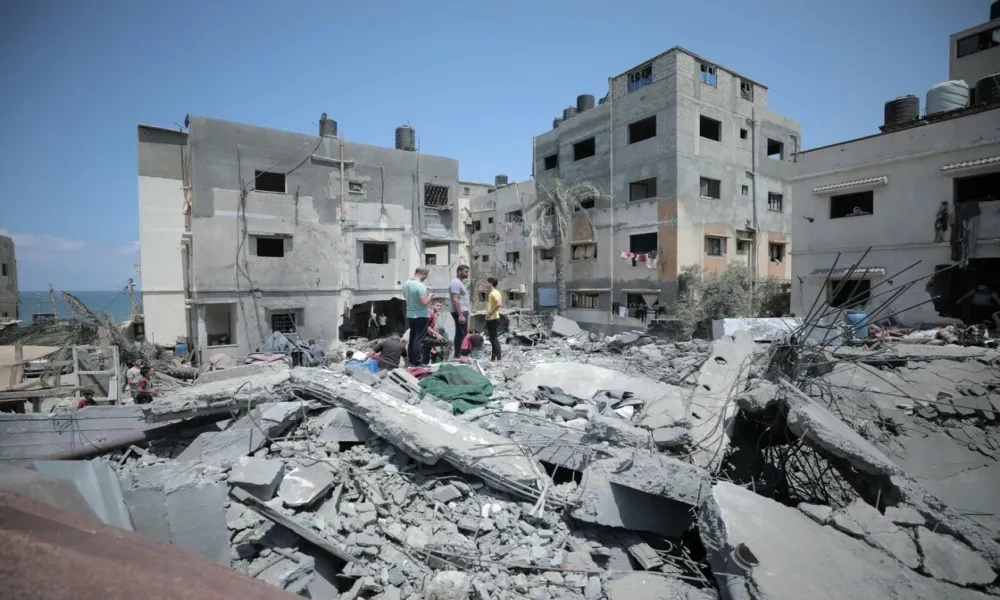
The Guardian and AP reported that officials expect the first releases within 72 hours of signing, while noting that far-right members of Israel’s coalition oppose concessions. Hamas, meanwhile, has raised concerns about ensuring Israel’s compliance. Both outlets stressed the agreement’s fragility and the scale of reconstruction and humanitarian access needed in Gaza.
For now, the deal marks the closest the parties have come to halting a war that has reshaped regional politics and drawn in actors from Lebanon to Yemen. Whether it endures will hinge on rapid, verifiable steps by both sides, and on sustained diplomatic pressure from the mediating states and wider international community.