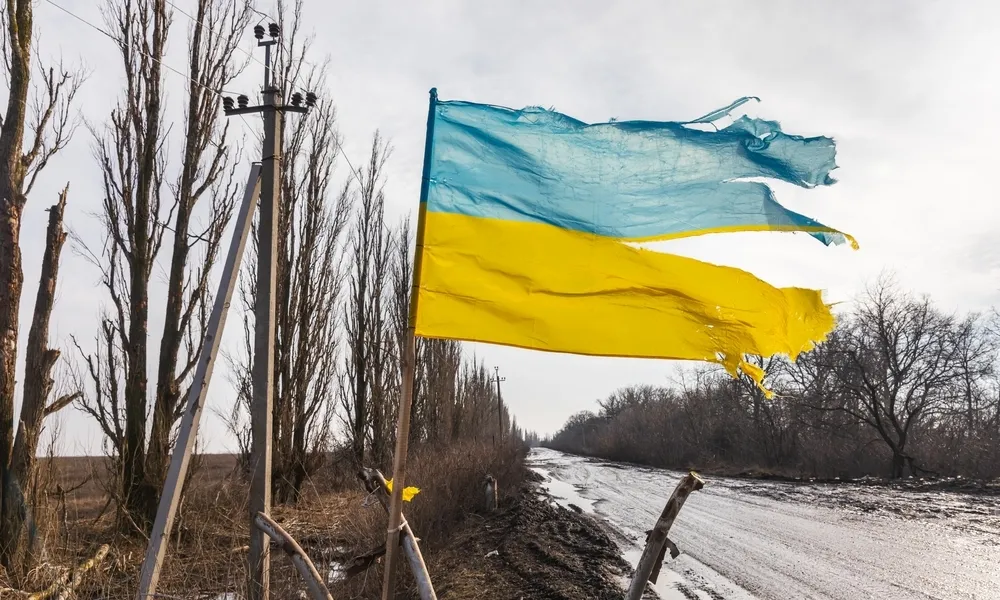
The week marks the anniversary of Russia’s full‑scale invasion of Ukraine on 24 February 2022. At dawn that day, Vladimir Putin announced what he called a “special military operation”, claiming it was intended to “demilitarise and de‑Nazify Ukraine” and to protect people allegedly facing “genocide” in the Donbas, statements widely dismissed by Western governments. As BBC News noted at the time, Putin also warned that NATO’s presence near Russia’s borders posed an existential threat, framing the assault as a defensive necessity.
Yet the swift victory the Kremlin implied never materialised. Instead, the conflict has expanded into a prolonged war that has destabilised Europe’s security architecture and drawn global condemnation.
Another deadly week
Russia has intensified its aerial campaign in the days leading up to the anniversary. According to Sky News, Ukraine endured one of the largest overnight barrages in months, with 219 drones, 24 ballistic missiles, and an aircraft‑launched missile targeting Kyiv, Kharkiv, Dnipro, and Odesa. In Dnipro, four people were injured, including a four‑year‑old girl and a newborn, Ukrainian officials told the broadcaster.
Further strikes followed. A Russian drone attack on the Sumy region killed four people, among them a 17‑year‑old boy. The same day, a strike in the Zaporizhia region killed a 77‑year‑old man, while attacks on the Odesa region wounded two people and damaged homes, vehicles, and an energy facility.
These incidents reflect a broader pattern documented by AP News, which has repeatedly highlighted Russia’s targeting of civilian areas and critical infrastructure, leaving thousands without heating during winter.
The Human Cost: A Conflict Without Pause
The Office of the UN High Commissioner for Human Rights has verified more than 12,600 civilian deaths since the invasion began, though the real figure is likely far higher. BBC News has reported that wider estimates, including military casualties, range from 400,000 to more than one million killed or wounded.
Journalists have also been repeatedly targeted. Reporters Without Borders, cited by Euronews, has documented more than 175 cases of journalists being killed, injured, abducted, or otherwise attacked since February 2022.
Pope Leo XIV renewed his appeal on Sunday for an “immediate ceasefire”, stressing that peace “cannot be postponed” as Russia continues to strike civilian infrastructure (AP).
European leaders have echoed this sentiment. The presidents of the European Council, Commission, and Parliament issued a joint statement condemning Russia’s “deliberate targeting of civilians” and reaffirming their commitment to supporting Ukraine “for as long as it takes.”
Prospects for Peace: Talks Falter as Violence Escalates
Diplomatic efforts remain fragile. US‑brokered talks in Geneva in mid‑February ended abruptly, with President Volodymyr Zelensky accusing Moscow of deliberately dragging out negotiations. BBC News reported that Russia escalated attacks just hours before the talks began, raising doubts about its commitment to meaningful dialogue.
Zelensky has reiterated that Ukraine is prepared to consider elections and further negotiations only if Russian attacks cease long enough to ensure basic security.
One year after the invasion, Ukraine stands defiant but battered. The war has reshaped European security, triggered the largest displacement crisis on the continent in decades, and forced governments to rethink defence, energy, and geopolitical strategy.
Putin’s early assurances that Russia did not intend to occupy Ukraine now stand in stark contrast to the scale of destruction and the widening battlefield. As the anniversary is marked across Ukraine and abroad, the horizon remains uncertain. Peace is possible, but only if diplomacy can overcome entrenched positions and if Russia halts the attacks that continue to claim lives daily.