
Drouseia hosts the first PIKNIK: an anti‑conference dedicated to cultivating ecological imagination and experimental collaboration. PIKNIK is a new nomadic platform exploring ways of nurturing ecological thinking and interdisciplinary exchange. It is an initiative of the NGO Xarkis, conceived by Christina Skarpari, who also serves as artistic director.
We love picnics for their form: light‑hearted, improvised outdoor gatherings where we share food in familiar and friendly environments. Through this sensory experience, picnic spaces become places of inspiration and enjoyment, creating and strengthening friendships, relationships and collaborations. At the same time, picnics open up opportunities for mutual learning and the lively exchange of stories and experiences.
How the idea began
PIKNIK is challenging typical structures of conferences as rigid sites of knowledge exchange and production, based on the observation that such environments often appear inflexible and function as fenced‑off spaces accessible mainly to specialised audiences.
A central question posed by PICNIC is: how can we bring curiosity, humour, creativity and hope to the forefront of discussions on ecological and climate crises? Who holds relevant knowledge, and who has access to it? Above all, how can this space become more accessible to people regardless of their level of expertise?
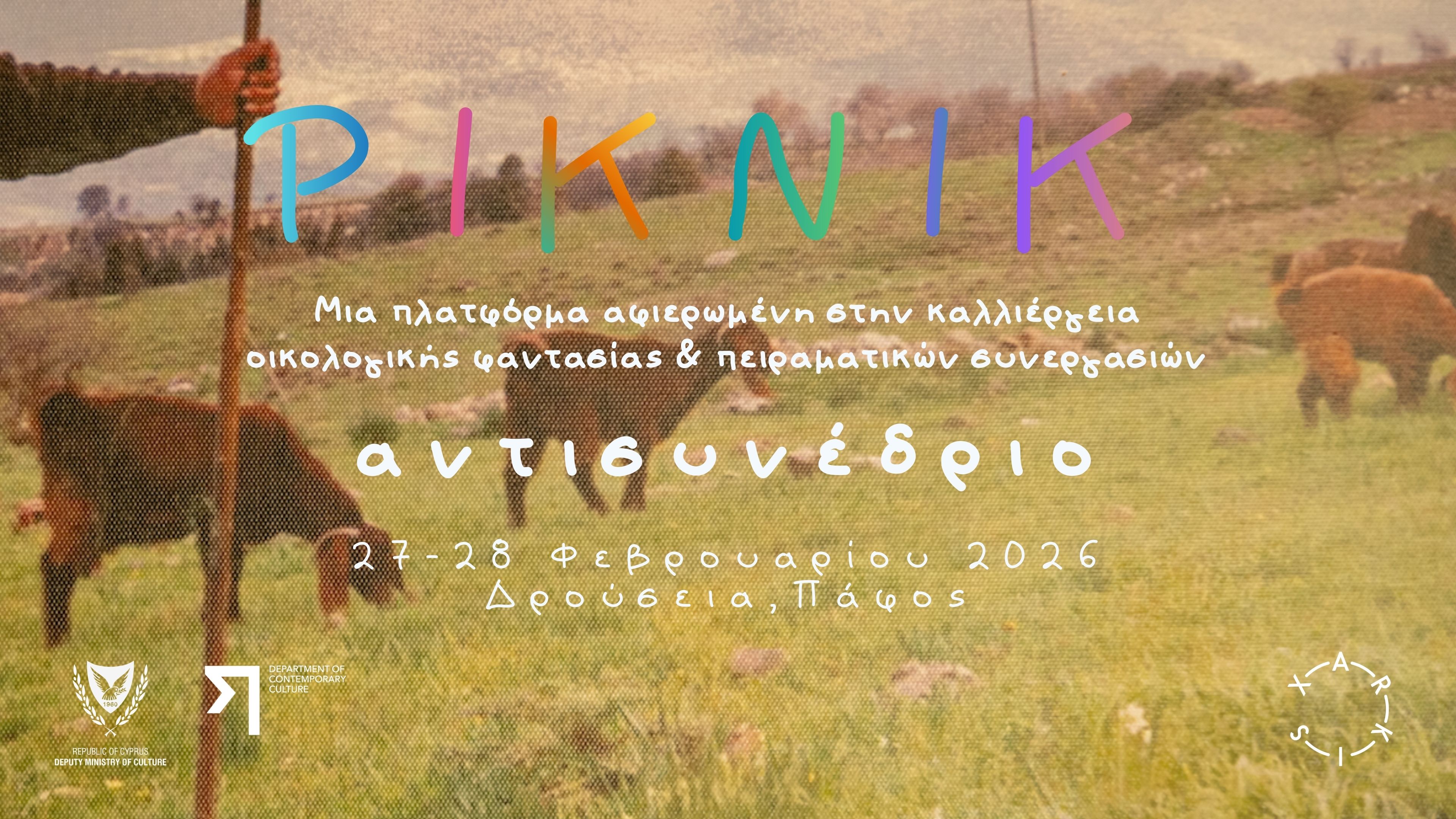
Inspired by the experience of the picnic, PIKNIK proposes a public event that weaves together artistic and curatorial methodologies with ecological, agricultural and craft‑based knowledge. Its aim is to deepen our understanding of the impacts and expressions of the climate crisis across culture, agriculture, livestock farming and wider rural life. To achieve this, PIKNIK creates an outdoor, informal and welcoming environment that hosts the bridging of experiences, knowledge fields and gaps, and promotes intergenerational, interdisciplinary and intersectional exchange.
Two lovely days
Over two days, visitors will have the opportunity to hear from visual artists, farmers, activists, curators and civil‑society professionals, and to enjoy communal meals, discussions, workshops, walks, contemporary art and local crafts. Participants will become “foragers” of wild edible plants (such as agrelia and lapsanes), explore Drouseia on foot, and experiment with gardening methods for public space.
As part of the event, meals will be prepared under the guidance of selected artists whose practice lies at the intersection of ecology, cooking and contemporary art. Participants will share a picnic on common ground. A hands‑on workshop will introduce traditional seeds, their collection, and the ways they connect with other Mediterranean regions. Moving from seeds to the fruits we consume daily, we will discuss how to develop a holistic approach to both physical and mental wellbeing through food.
Parallel to these activities, workshops on local crafts will take place, including the traditional art of ploumisma kolotziou led by the mukhtar of Drouseia, Philippos Koupparis. Visitors will also hear stories and perspectives on rural development and the protection of the diverse species and habitats of the Akamas from well‑known environmental organisations, local residents and institutions such as the Drouseia Regional Museum.
Finally, the programme includes visual art interventions and three performance‑based works by guest artists of the Creative Europe project Feed your Future.
Christina Skarpari co‑curates the programme with curator Denise Araouzou, while the organisation is led by Andreas Cleanthous and Nikola Mitropoulou. PIKNIK is supported by the Deputy Ministry of Culture – Department of Contemporary Cultural Action (Cyprus), with the collaboration of the Drouseia Regional Museum and the Akamas Rural Life Museum.
The Feed your Future consortium brings together a diverse alliance of European cities, cultural organisations, universities and civil‑society actors. Led by the Municipality of Milan, the consortium includes Xarkis (Cyprus), Rede DLBC Lisboa (Portugal), the Municipality of Almere (Netherlands), the Metropolitan Agency for Sustainable Development of Brașov (Romania), BJCEM – Biennale des Jeunes Créateurs de l’Europe et de la Méditerranée (Belgium), ActionAid Hellas (Greece) and IED – Istituto Europeo di Design (Spain).