


A previously undisclosed Venezuelan defence memo has shed new light on a failed 2020 plan to acquire ballistic missiles from Iran, revealing that negotiations were more advanced than publicly known before the deal collapsed under pressure from the United States.
The document, described by sources familiar with its contents, indicates that Venezuela had allocated more than $400 million for the purchase of an Iranian missile system. The plan ultimately did not materialise, with Caracas stepping back amid US opposition and deepening economic constraints.
Detailed plan outlined in defence memo
According to the document, approved at the time by defence minister Vladimir Padrino López, the Venezuelan government had developed a structured approach to secure the weapons system.
The memo set out how funds would be channelled through state-owned companies to finance the acquisition, while also detailing operational plans. It envisaged deploying the missile system on platforms mounted on Venezuelan naval vessels, potentially enabling long-range strike capabilities.
The disclosures suggest that discussions between Caracas and Tehran had progressed beyond preliminary contacts, contradicting earlier assumptions that talks remained limited in scope.
Washington intervened as talks advanced
US officials were aware of the discussions during the first administration of President Donald Trump and made clear their opposition to any such transfer.
Elliott Abrams, who served as Washington’s special representative for Iran and Venezuela at the time, said the US conveyed that a missile deal would be unacceptable. He noted that Venezuela ultimately backed down following that pressure, though he was not aware of the specific internal memo detailing the purchase plan.
The prospect of Venezuela acquiring ballistic missiles capable of reaching US territory had been viewed in Washington as a significant national security concern.
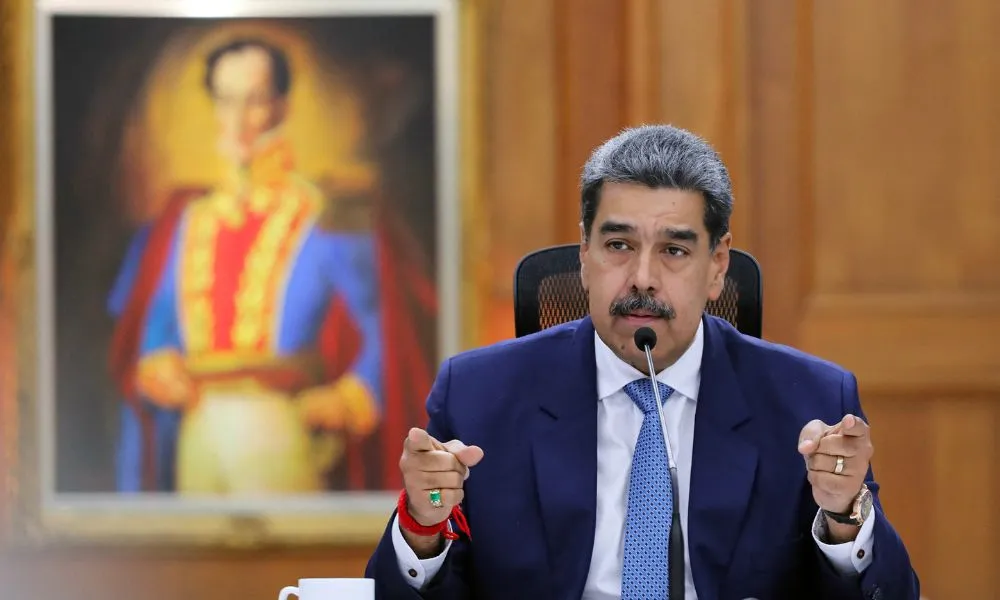
Maduro’s public stance contradicted internal plans
In August 2020, months after the memo was drafted, then-president Nicolás Maduro publicly dismissed the idea of purchasing missiles from Iran, saying it “had not occurred” to his government, while adding that it would be “a good idea”.
That statement appears at odds with the contents of the defence document, raising questions about how seriously the proposal had been pursued behind closed doors.
Longstanding ties between Caracas and Tehran
Venezuela and Iran have maintained close relations for decades, largely through cooperation within the Organization of the Petroleum Exporting Countries and broader alignment against US policy.
Ties deepened under former president Hugo Chávez and continued under Maduro, with agreements spanning energy, economic and military cooperation. Iran has previously supplied Venezuela with military equipment, including drone systems.
Economic strain and geopolitical risks
Analysts have pointed to Venezuela’s severe financial difficulties at the time as a major obstacle to completing such a deal. Sanctions and a prolonged economic crisis had left the country struggling to fund basic imports, making a large-scale weapons purchase increasingly unrealistic.
At the same time, closer military cooperation with Iran risked further escalating tensions with Washington. US officials have repeatedly cited the Caracas–Tehran relationship as a security concern, particularly given fears of Iranian influence extending into the Western Hemisphere.
While the missile deal never materialised, the newly revealed memo underscores how far the discussions had progressed and highlights the broader geopolitical stakes surrounding Venezuela’s ties with Iran.
Source: Politico