


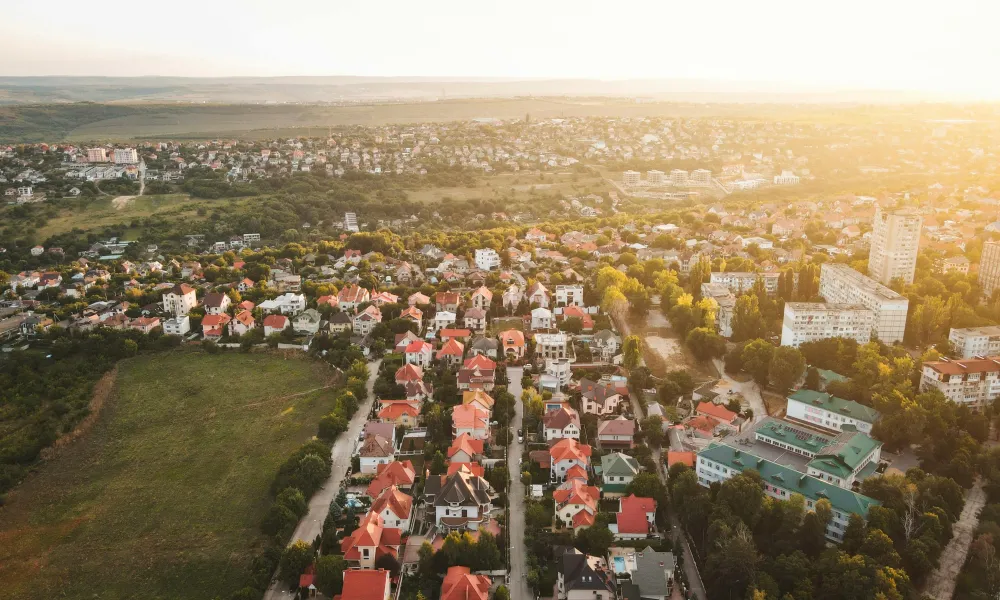

As overtourism continues to strain popular destinations such as Greece, Spain, Italy and France, a growing number of travellers are seeking quieter alternatives. Interest in lesser-known destinations across Europe is rising, particularly among younger travellers looking for authentic experiences away from crowded tourist hubs.
This shift is driven largely by Gen Z and millennial travellers, who increasingly favour hidden destinations, local traditions and community-focused tourism. Lower travel costs in some countries are also contributing to this trend.
Moldova: wine heritage and rural traditions
Moldova remains one of the least visited and most affordable countries in Europe. According to data from the National Bureau of Statistics reported by SeeNews, the country recorded around 525,100 visitors in 2025.
Travellers who do visit often discover a destination characterised by unspoilt rural landscapes and strong culinary traditions. Moldova’s cultural identity reflects a blend of Soviet, Latin, Slavic and Romanian influences, particularly visible in the architecture of the capital, Chișinău.
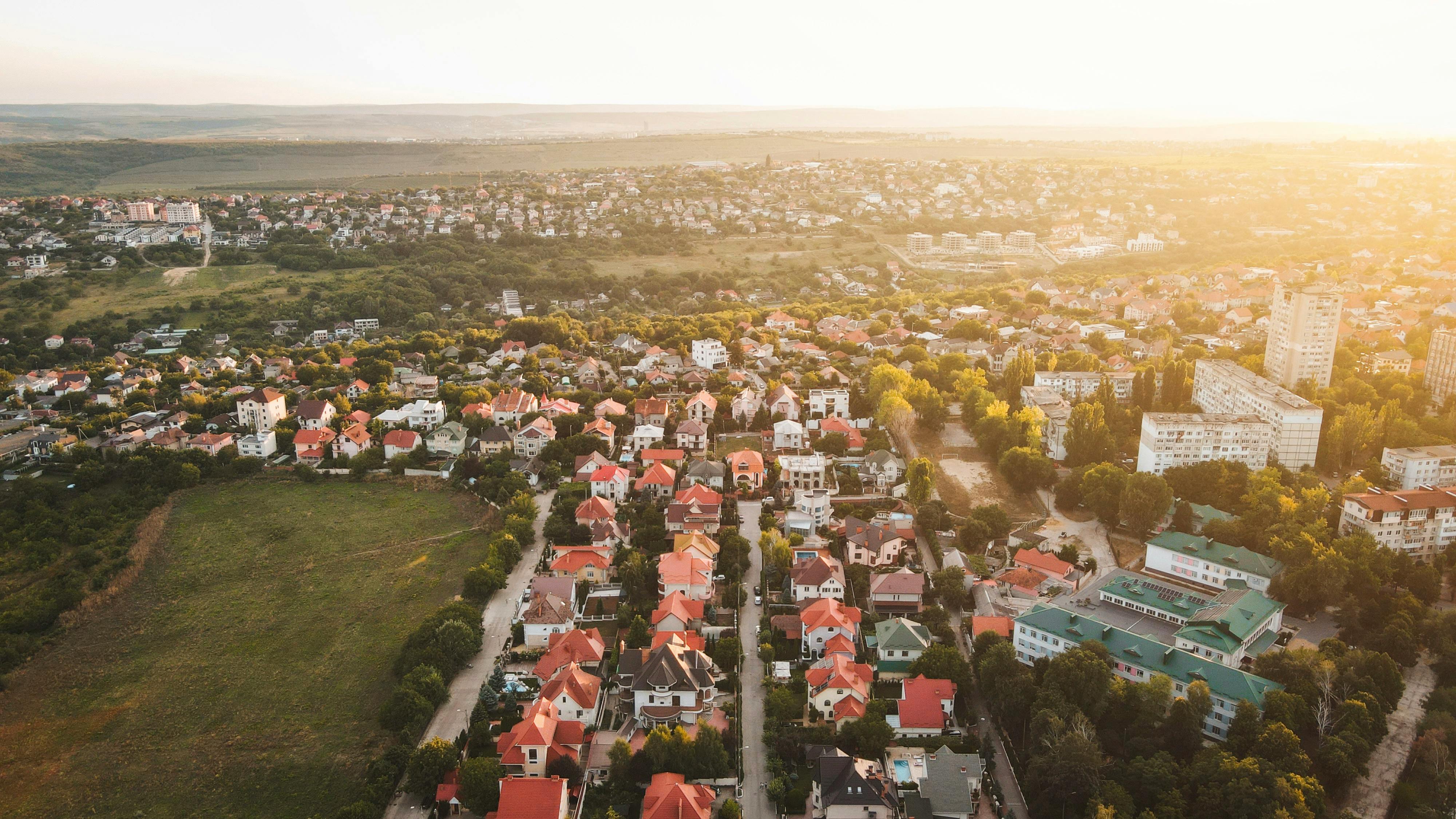
The country is internationally known for its wine heritage. Visitors can explore the extensive underground cellars of Mileștii Mici, home to the largest wine collection in the world, or visit Cricova Winery, an underground network often described as a city of wine.
Beyond wine tourism, visitors can explore the Orheiul Vechi monastery complex, located around 60 kilometres north of Chișinău. The site features ancient cave monasteries carved into limestone cliffs.
Nature lovers can hike through the Codrii Forest or spend time in the central Stefan cel Mare Park in the capital.
Traditional Moldovan cuisine includes dishes such as mămăligă, a cornmeal-based dish similar to polenta, and plăcinte, filled pastries often served with local wine or fruit brandy.
Visitors can also experience rural life through traditional crafts, agriculture and village customs that have been maintained across generations.
Liechtenstein: Alpine landscapes and cultural attractions
Liechtenstein is among Europe’s smallest and least visited countries. Planet of Hotels estimates that around 85,000 tourists visited the principality in 2022.
Despite its size, the country offers Alpine scenery, cultural landmarks and a distinctive royal heritage. One of only two doubly landlocked countries in the world, Liechtenstein lies between Switzerland and Austria.
Visitors often begin their exploration in Vaduz, the capital, where the Citytrain tour offers an overview of the country’s history, traditions and contemporary culture.
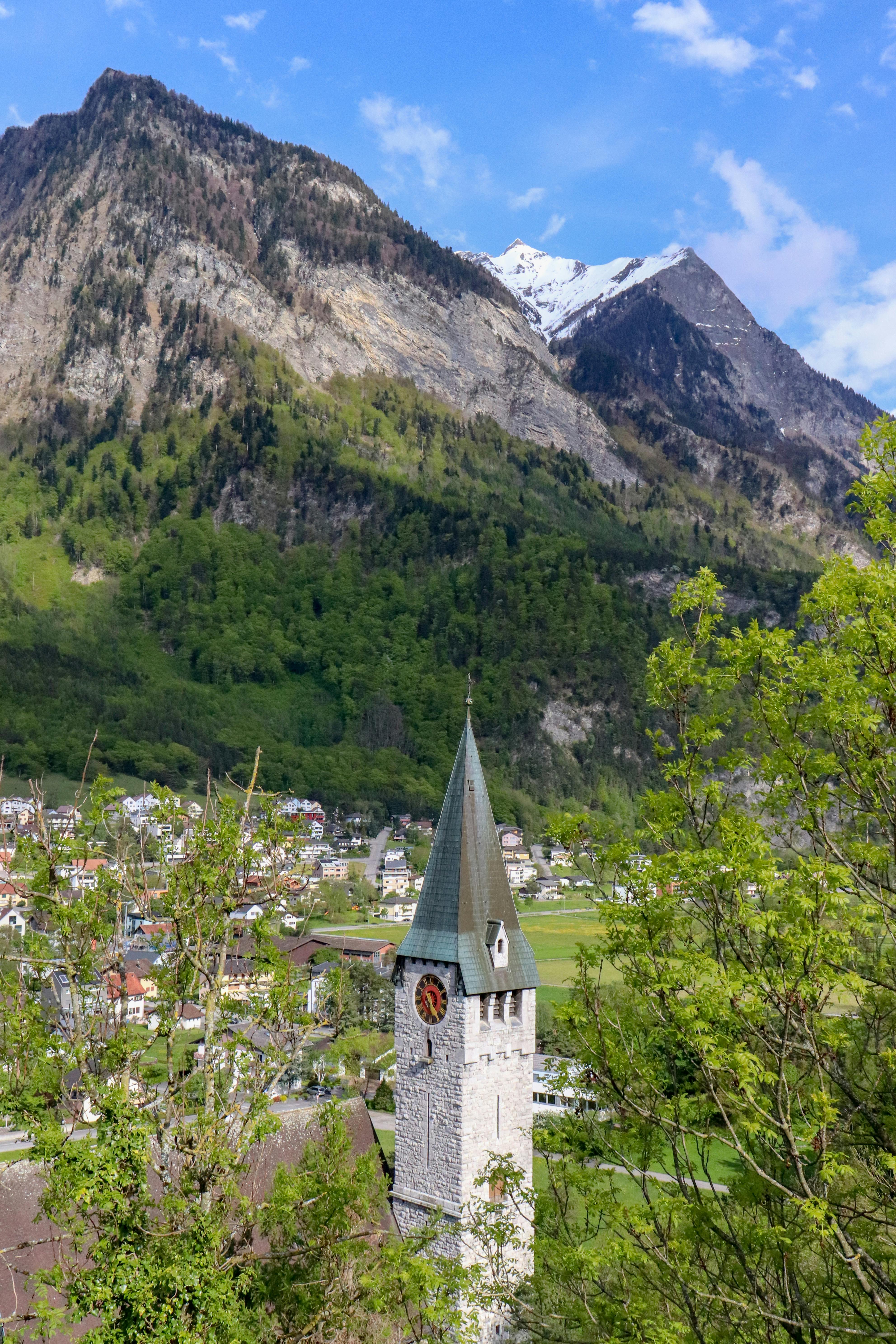
Vaduz Castle, the residence of the princely family, overlooks the capital and provides scenic hiking routes with panoramic views of the Alps.
Museums also play a central role in the country’s cultural life. Visitors can explore the Liechtenstein National Museum, the Stamp Museum and the Treasure Chamber.
Art enthusiasts often visit the Kunstmuseum Liechtenstein, a modern art museum recognised for its striking cube-shaped black architecture.
Outdoor tourism is another attraction. Malbun, a small mountain village, offers skiing in winter and hiking during the summer months. Visitors can also take guided mountain walks with llamas in the Triesenberg area.
For a more unusual souvenir, travellers can have their passports stamped at the Liechtenstein Center in Vaduz.
San Marino: history in the world’s oldest republic
San Marino, surrounded by Italy, is a UNESCO-listed microstate and the world’s oldest republic. Despite its historical significance, the country attracts relatively modest visitor numbers, with tourism reaching just over two million arrivals in 2025 according to Visit San Marino.
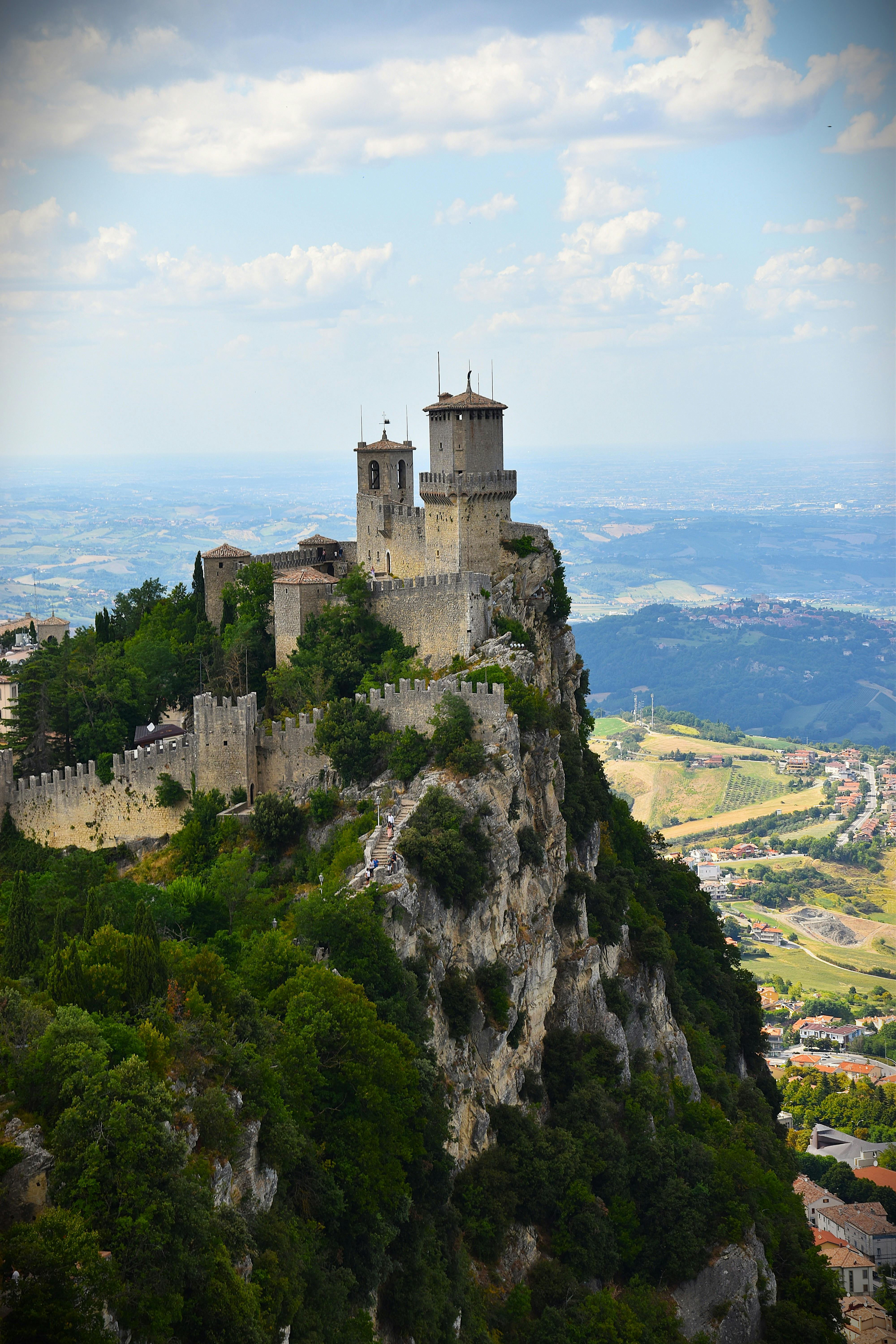
The hilltop republic offers panoramic views of the Adriatic Sea and the surrounding Italian countryside.
The historic centre is best explored on foot. Visitors can walk between the country’s three medieval towers: the 11th-century Guaita, Cesta and the more secluded Montale.
These landmarks are connected by the scenic Witches’ Path, also known as Passo delle Streghe, which provides sweeping views across the Apennine Mountains and coastline.
The Piazza della Libertà and the Palazzo Pubblico offer insight into San Marino’s political institutions, while visitors can also observe the traditional changing of the guard ceremony.
Other landmarks include the Basilica of Saint Marinus and the Panorama Cable Car linking Borgo Maggiore with the historic centre.
Nature trails such as the Sentiero della Rupe provide walking routes along the cliffs surrounding the city. Museums including the State Museum of San Marino and the Stamp and Coin Museum offer further historical context.
Local shops along the cobbled streets sell ceramics, stamps and artisan goods.
Kosovo: mountains, history and cultural diversity
Kosovo, Europe’s youngest country, remains largely absent from mainstream tourist routes. According to the Kosovo Agency of Statistics, the country welcomed 463,092 visitors in 2025.
The destination offers dramatic mountain landscapes alongside Ottoman-era architecture and vibrant urban culture.
In the city of Prizren, visitors can climb to the Kalaja Fortress for panoramic views of the old town or visit the 17th-century Sinan Pasha Mosque.
Pristina, the capital, offers a lively café culture. Landmarks include Mother Teresa Boulevard, the Newborn Monument and the distinctive National Library building.
Religious heritage sites also attract visitors, including the UNESCO-listed Gračanica Monastery near Pristina and the 14th-century Visoki Dečani Monastery near Peja.
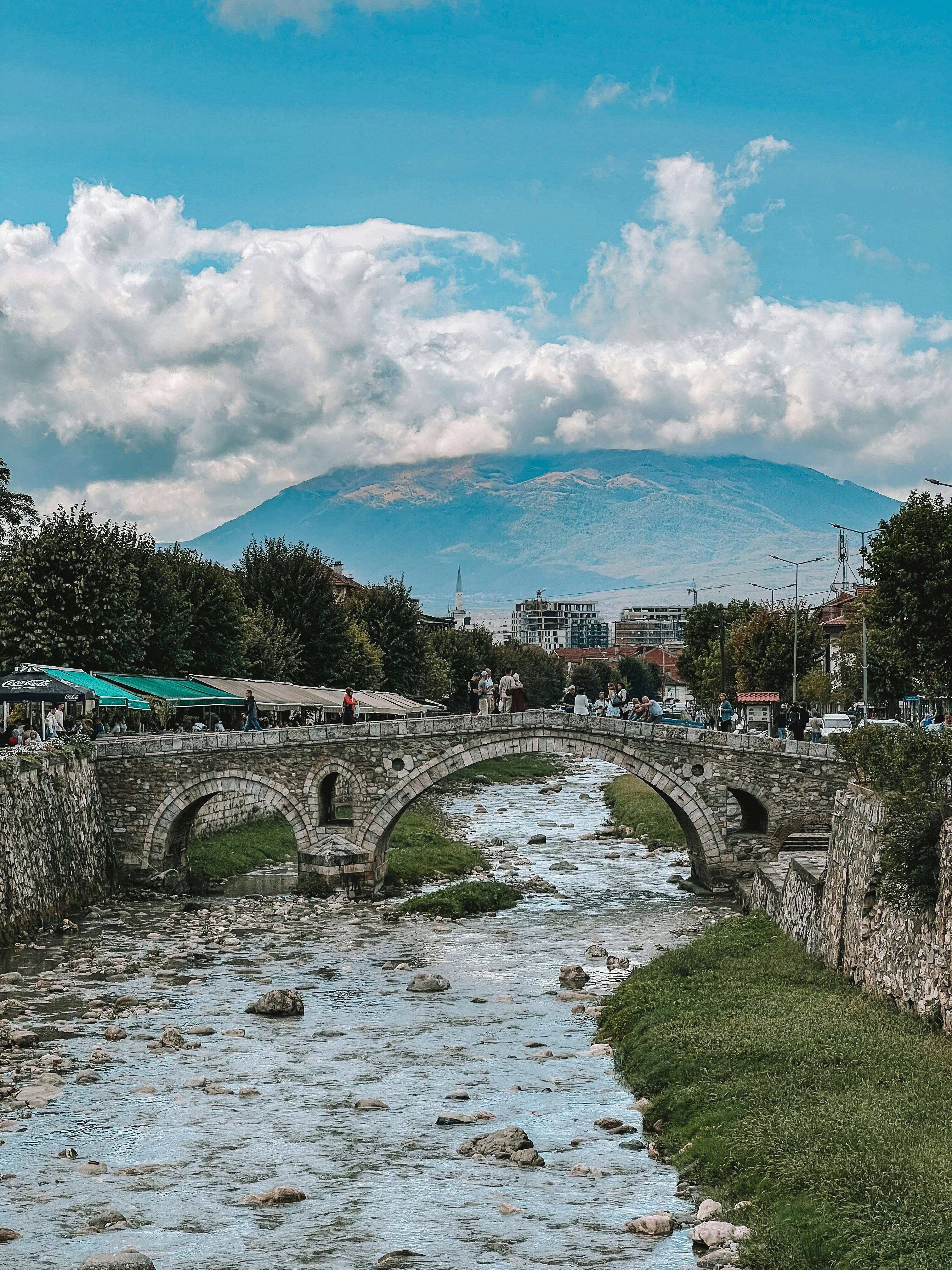
Outdoor tourism is increasingly popular. The Rugova Mountains offer hiking trails and scenic viewpoints, while the Mirusha Waterfalls provide opportunities for swimming and nature exploration.
Visitors can also stop at the Bear Sanctuary near Pristina, which houses rescued brown bears that were once kept in captivity.
Traditional crafts and cafés can be found in the historic Gjakova Grand Bazaar, while local cuisine features dishes such as flija, a layered pancake dish, and qebapa, grilled minced meat.
North Macedonia: lakes, monasteries and national parks
North Macedonia remains comparatively under-visited despite its natural landscapes and cultural heritage. The State Statistical Office reported that around 1.2 million tourists visited the country between January and November last year.
The capital Skopje combines modern architecture with Ottoman-era landmarks and is known as the birthplace of Mother Teresa.
Lake Ohrid, one of Europe’s oldest and deepest lakes, is among the country’s most recognised destinations. The lakeside town of Ohrid features historic churches, including the 13th-century Church of St. Jovan Kaneo.
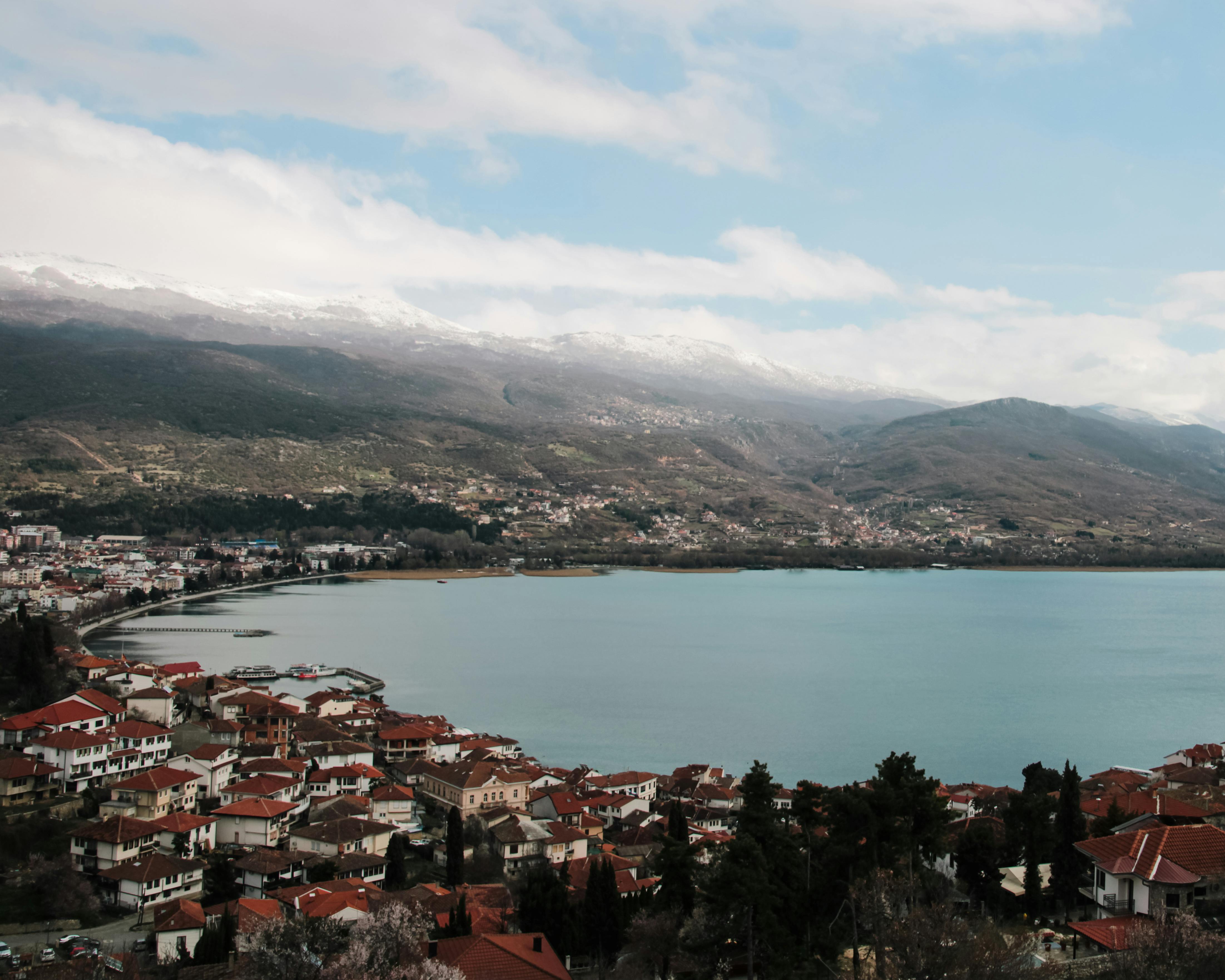
Visitors can explore Ohrid’s Old Town, visit the Monastery of Saint Naum or purchase traditional Ohrid pearls, a local jewellery craft.
In Skopje, the Old Bazaar remains one of the most important historic areas, while the Kale Fortress and the Stone Bridge offer views across the city. Macedonia Square features numerous statues reflecting the country’s historical narratives.
Nature tourism is also significant. Travellers can explore Vrelo Cave by boat or hike along canyon cliffs nearby.
The country is home to three national parks: Mavrovo, Pelister and Galicica. These protected areas feature mountain landscapes, glacial lakes and wildlife including the Balkan lynx and the Dalmatian pelican.
Wine tourism is also growing in the Vardar Valley, where visitors can tour vineyards and taste rakija, a traditional fruit brandy.
Source: Euronews Travel


