Cyprus' government, in cooperation with the European Commission, is examining measures to mitigate the impact of rising oil prices on households and businesses.
The most significant intervention—applicable across all EU member states—concerns increasing the supply of emissions allowances in the market. This is expected to lower the cost of acquiring them and, in turn, reduce electricity prices. A second set of measures is focused on potential cuts to fuel taxes.
The measures follow guidance issued to EU member states by European Commission President Ursula von der Leyen, who has outlined proposals in a letter to governments. The aim is to reduce elements of energy costs not directly linked to international oil and gas prices.
Two countries have already announced tax reductions on energy: Italy has lowered excise duties on fuel, while Spain has reduced VAT.
Cyprus’ Finance Minister, Makis Keravnos, said scenarios are currently being assessed. “At the moment, the Ministry of Finance is working on various scenarios and monitoring developments. Based on these, we are preparing plans to mitigate any problems that may arise,” he said.
Temporary and targeted measures
Lessons from 2022—when the Russian invasion of Ukraine triggered an energy crisis and inflation shock—are prompting both the EU and member states to act swiftly and proactively.
The European Commission is expected to work with member states on temporary, targeted national measures addressing electricity costs, including reforms to the EU Emissions Trading System.
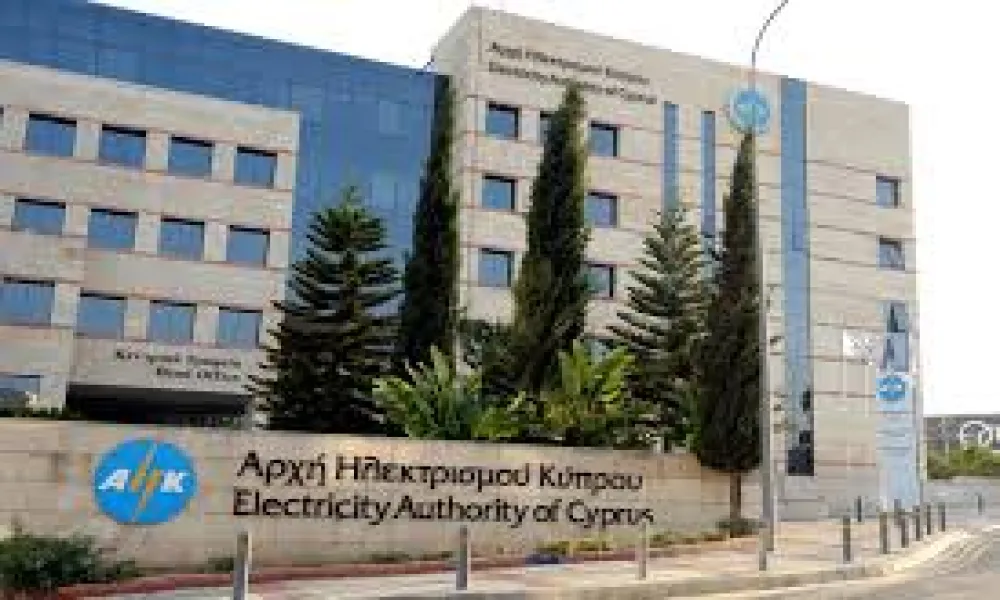
According to informed sources, a key tool will be increasing emissions allowances. This would reduce the carbon cost borne by electricity producers such as the Electricity Authority of Cyprus, thereby lowering costs for consumers.
Emissions allowances account for roughly 25% of the total cost of electricity generation by the authority, with annual expenditure reaching nearly €300 million. This cost is largely passed on to consumers through fuel adjustment charges and carbon-related fees on electricity bills.
Sources stressed that increasing allowances would not mean abolishing or weakening the emissions trading system.
Broader energy cost measures
The Commission is also expected to design measures addressing other components of energy costs, including reductions in taxes and levies. These could include targeted horizontal measures that do not distort the internal energy market.
According to available information, the measures are expected to remain in place for the duration of the Middle East crisis.
Following the European Council, von der Leyen said action must be taken through “immediate relief measures where possible and structural changes where necessary”, focusing on the four key components that determine electricity prices.
She explained that the largest component is the cost of energy itself, accounting for around 56% of electricity prices across the EU. Member states, she noted, can use state aid measures to offset rising costs, adding that flexibility in this area will be further expanded.
The second component is network charges (18%), with the Commission promoting legislative changes to reduce them, particularly for energy-intensive industries. The third element—taxes and levies, averaging 15%—is also under review, with the aim of lowering taxation on electricity.
The fourth component relates to carbon pricing under the EU Emissions Trading System, which is particularly relevant for Cyprus. Reforms are being advanced to increase flexibility and reduce price volatility.
Von der Leyen emphasised that the ETS has already contributed to reducing dependence on fossil fuels and boosting investment in clean energy. She also announced a new €30 billion financing instrument, the “ETS Investment Booster”, aimed at supporting decarbonisation projects.
European Council calls for action
In its conclusions, the European Council called on the Commission to urgently present targeted measures addressing all components of electricity pricing, with a view to reducing costs and tackling excessive short-term volatility, including for energy-intensive sectors.
It also urged close cooperation with member states to design temporary national measures to mitigate the impact of fuel costs and other pricing components on electricity production, while supporting renewable and low-carbon energy and ensuring a level playing field within the internal market.
The Council further called on the Commission to present a revision of the emissions trading system by July 2026, aimed at reducing carbon price volatility and its impact on electricity prices, including along the supply chain.
Finally, EU co-legislators were urged to agree in 2026 on an ambitious package to accelerate the development of energy infrastructure, strengthen resilience and protection, and enhance interconnections at both national and European levels.