
By Tassos Yiasemides
Geopolitical uncertainty is one of the most decisive, multi-layered and unpredictable forces shaping the modern global economy. In a fully interconnected system, where markets are tightly interlinked and supply chains stretch across the entire globe, the volatility generated by geopolitical tensions never remains local. It spreads at extraordinary speed, transforming regional conflicts, diplomatic ruptures or trade disputes into global economic problems that affect everything from commodity prices to the decisions of major central banks.
This risk filters into the real economy through four principal channels, with energy historically serving as the most immediate and painful transmission mechanism. As strategic regions such as the Middle East and Eastern Europe play a decisive role in global hydrocarbon supply, any escalation of tensions sends oil and gas prices surging, fuelling global inflation, squeezing household incomes and dramatically raising operating costs for businesses.
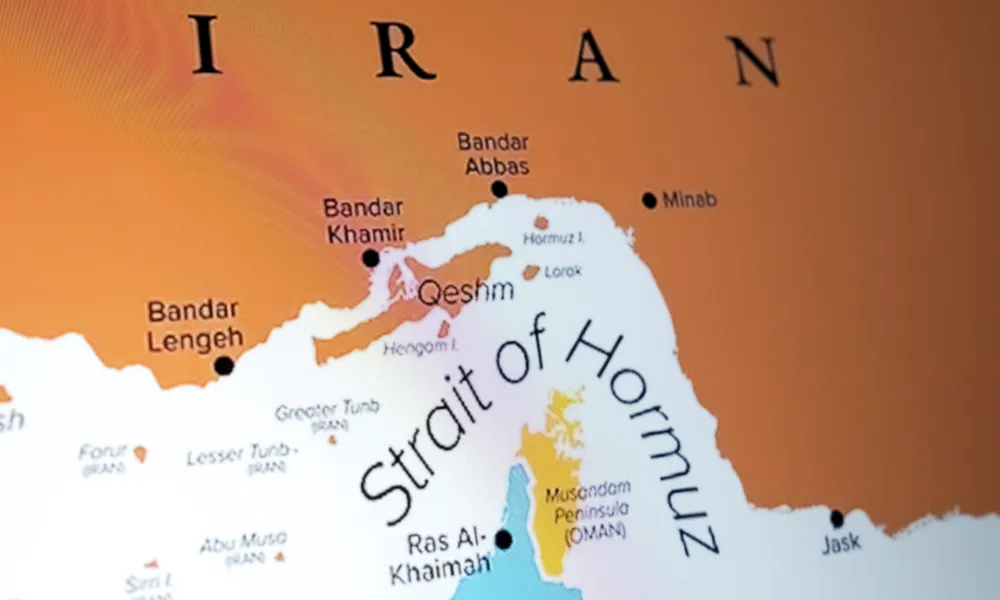
Alongside the energy front, international trade comes under pressure through strategic maritime routes, which function as the arteries of the global system. Any disruption to key straits or canals, such as Suez or Hormuz, triggers cascading delays, higher shipping insurance premiums and a broad reordering of trade flows that can persist for months or years.
Financial markets, being acutely sensitive to a lack of clarity, react convulsively to even the faintest sign of geopolitical rupture. Investors, driven by self-preservation, tend to abandon riskier assets and emerging markets in favour of safe havens such as gold, the dollar and the sovereign bonds of strong economies. This sudden movement of capital amplifies stock market volatility and can cause credit paralysis in regions that depend on foreign investment.
Beyond the numbers, however, shaken confidence may be the most insidious brake on growth. When businesses cannot predict the political environment of the coming year, they freeze their investment plans. Consumers, fearing an approaching crisis, cut their spending, pushing the economy toward stagnation even when the direct material damage of a conflict is limited.
The historical record offers valuable lessons in how geopolitical upheaval reshapes the world. The 1973 oil crisis remains the classic example: a politically motivated embargo produced the notorious stagflation of that era, forcing the West to confront for the first time its dangerous dependence on imported energy. Decades later, the September 11 attacks and the 2003 Iraq war demonstrated that the fear of terrorism and military intervention can permanently alter the cost of security and aviation. More recently, Russia's invasion of Ukraine in 2022 acted as a violent catalyst for Europe, which was forced to sever its dependence on Russian energy sources in a very short time, triggering a massive restructuring of its internal market and strategic alliances.
These events demonstrate that markets tend to price in risk long before it peaks, often producing a situation in which the greatest economic damage occurs during the period of anticipation and uncertainty, while stabilisation begins only once the parameters of the crisis become known and manageable.
In this constantly shifting landscape, investors and analysts do not operate blindly but develop sophisticated risk management strategies. Country risk assessment has become a priority, with investors scrutinising the institutional resilience, legal stability and geographic exposure of any state to potential flashpoints. Dependence on critical resources controlled by authoritarian regimes or located in unstable regions is treated as a significant liability, driving trends toward reshoring production or relocating it to allied countries. Diversification is no longer merely a theoretical recommendation; it has become a matter of survival.
Geopolitical crises, for all the pain and uncertainty they initially cause, also function as accelerators of change, creating new opportunities for those who can identify the underlying trends. The imperative of energy security, for example, is channelling substantial investment into renewable energy and storage technologies, while the cybersecurity and defence industries are experiencing rising demand as states seek to protect their infrastructure.
In this context, countries that serve as pillars of stability in turbulent regions, as Cyprus does in the Eastern Mediterranean, acquire growing strategic importance. Their ability to offer a secure legal and business environment attracts capital and commercial activity seeking shelter from the volatility of neighbouring markets. This points to adaptability as the defining characteristic of successful economies in the 21st century. The global economy is not a static structure but a living organism, constantly reshaped by conflict and crisis, producing with each upheaval a new set of winners and losers.