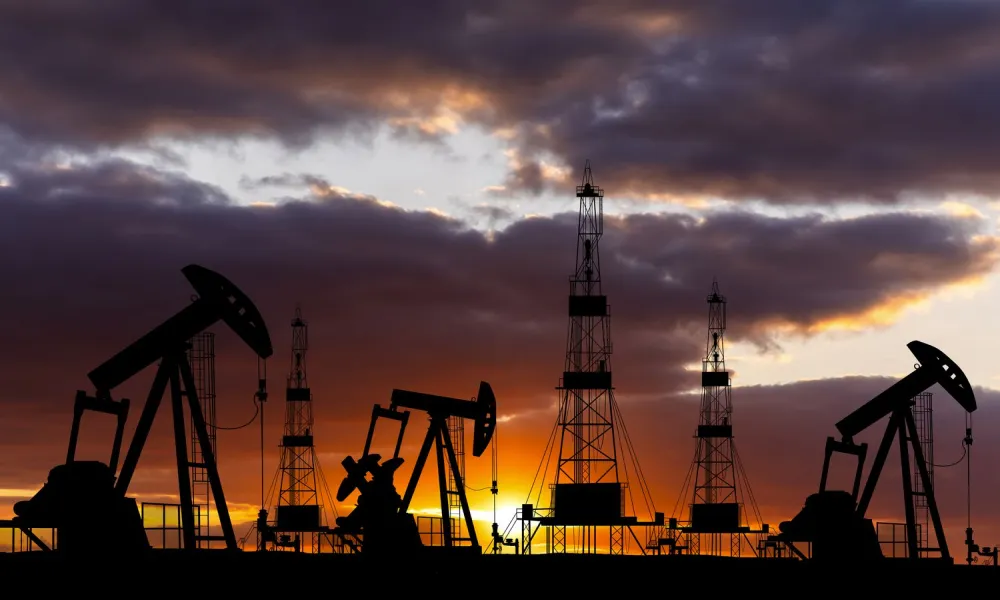
The picture taking shape in Cyprus’s fuel market today has become a key reference point for household finances. It is clear that this is not a “free market” operating on the basis of healthy competition, but a peculiar, controlled environment in which price increases are passed on rapidly – one might even say in a coordinated manner – while price reductions seem to disappear along the way. The result is sustained pressure across all aspects of economic activity.
Fuel prices in Cyprus may be lower, both comparatively and in absolute terms, than the European Union average. Even so, the data being published are sufficiently worrying that they cannot be ignored. In this context, figures released by the Cyprus Consumers Association in recent days deserve close attention.
One company raises the price of petrol by two cents and, almost reflexively, petrol stations belonging to other companies follow suit, without any official announcement. Some go even further, imposing increases larger than those “justified” by the initial move. These practices may not amount to illegality. They do, however, represent an attempt to distort the market to the detriment of consumers.
At a time of uncertainty linked to the war in the region and broader international pressures, one would expect at least some restraint in pricing or a more cautious adjustment. Instead, the opposite occurs, as some turn crisis into an opportunity to widen profit margins. The market does not respond through self-regulation, but through exploitation of the circumstances.
Of course, companies do not operate without profit. The central issue, therefore, is not their behaviour, but the stance of the state. Repeated statements about “close monitoring” and “taking measures” now sound hollow. When price increases are passed on to retail prices intact, or even amplified, without any meaningful intervention, supervision risks becoming a purely formal exercise with no tangible outcome.
In short, the absence of effective oversight creates a dangerous precedent. Companies know they can act aggressively without facing real consequences, while consumers, trapped in a market with no genuine alternatives, are simply expected to pay the bill.
Arbitrary price hikes in the fuel market cannot be countered by mere “monitoring”. What is required is substantive regulation, transparency and, above all, political will to confront practices that may be formally lawful but are socially unjust. Otherwise, profiteering will continue to be labelled as “the market”, while the absence of control will be treated as normality.