
Redux
Every journey circles home
There are friendships that feel like small dialectical exercises, gentle debates wrapped in affection. Like mine with my Limassol friend, it is exactly that. She carries Carnival in her bloodstream. It's her pulse, part of her identity, her city’s heartbeat. For her, these ten days are her sacred calendar.
For several years now, she has not been able to join in. And it hurts. She has no patience for talk of positive thinking or silver linings, she refuses to pretend that loss can be neatly reframed. “It is a sorrow,” she says, and I can see her ache sharpening everything around her: the music, the colours, the noise, even my presence.
So when I show up, me, the Nicosian who supposedly “does not get it”, she looks at me with a mix of love and irritation. “What are you doing here today of all days?” she asks, half teasing, half serious. As if Carnival Sunday is a sacred space reserved only for those born within the Limassol city limits.
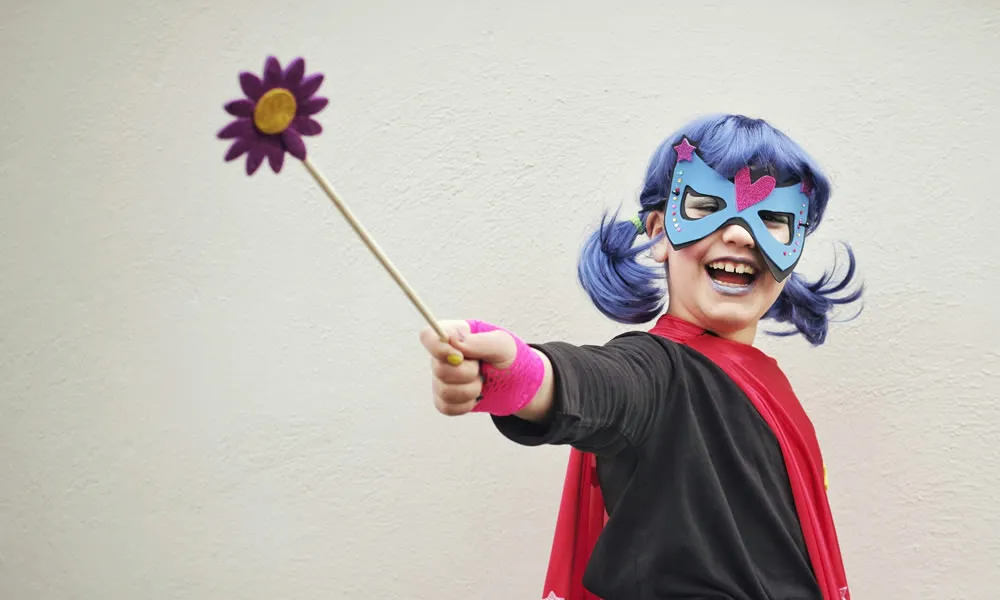
But I do understand Carnival. Walking through Limassol streets Sunday morning, I too felt the spark. I saw many Super Marios, loughed at two bearded men in wedding dresses, "soldiers" wearing pink hats, "Donald Trumps" and "Archbishops". I watched elderly Limassolians dressed up and poking fun at political absurdities. A Japanese family in full traditional attire. Foreign guests laughing, dancing, becoming part of the city’s temporary madness. So much creativity and humor and talent.
I even spotted the old Cypriot man and his foreign domestic helper, now probably his wife, both dressed up as cowboys. I could not help imagining them making fun of their quite common reality: him dressed as the young woman he once employed, and her dressed as the family patriarch, walking proudly down Anexartisias as if nothing were out of the ordinary.
I used to dress up too. I would hide my ginger messy curls under a straight black wig, trying to look effortlessly chic or vaguely French. She would lend me costumes so I could be a witch or an Egyptian pharaoh. I made sure my children always had a place in the parade. Many times I wished I could be responsible for a carnival float, because I have so many ideas for ridiculing the political reality. I even have a Brazilian friend who once dragged me all the way to Rio.
But now I feel that the world has become a kind of permanent carnival, three hundred and sixty‑five days of spectacle and noise. Today marks the anniversary of the invasion of Ukraine, a grim Putin‑directed horror film, complete with abducted children. At the same time, tensions with Iran rise as warships gather in our region, a floating reminder of how helpless we are to stop the eminent war. The sea itself has become part of this grotesque parade, washing up the bodies of migrants on European shores while politicians argue about who is legal.
And then there are the daily revelations from the Epstein case, so surreal that you wonder if your dad or uncle could appear on one of those lists. It would be funny if it were not so disturbing. Every day we witness a new sickening example of how power behaves when it thinks no one is watching. The world feels stretched thin, almost theatrical. Madness seems to be the rule, and people scroll through reality as if it were just another costume to try on before moving to the next.
And people dance. They laugh. They dress up. They choose joy, even when the world feels upside down. Maybe that is the real dialectic: Carnival is not an escape from reality. It is a reminder that joy is still possible within it.