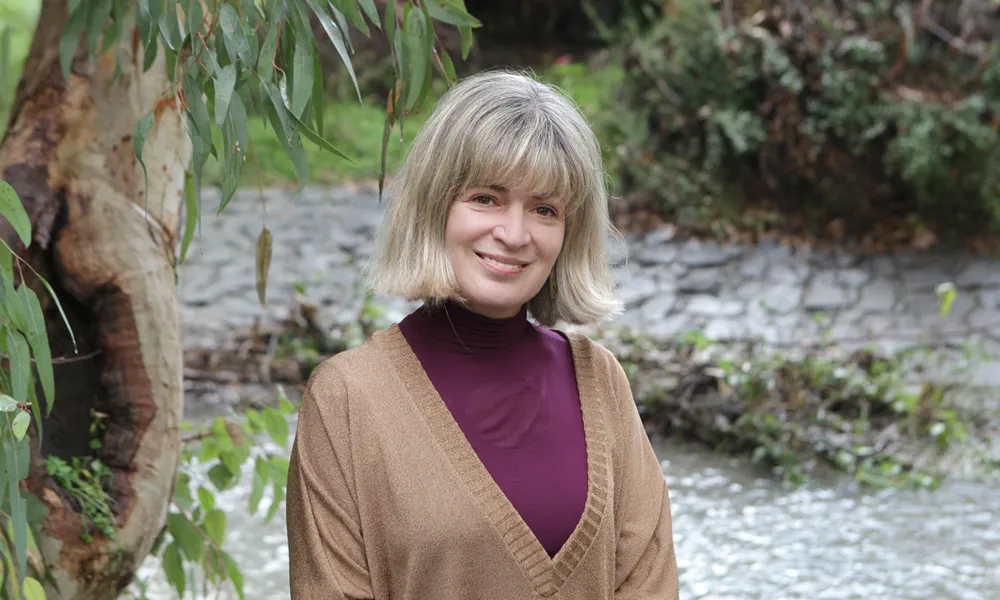
The Commissioner for the Protection of the Rights of the Child, Elena Perikleous, has issued a public statement condemning the use of derogatory and stigmatising language towards persons with disabilities, adding her voice to the broader reactions that have followed recent public remarks made by MEP Fidias Panayiotou.
In her statement, Perikleous described such language as “unacceptable, demeaning, and deeply stigmatising”, stressing that it cannot be dismissed as a slip of the tongue or justified as a figure of speech. She warned that the use of such terminology reproduces harmful stereotypes, reinforces social exclusion, and undermines the dignity of persons and children with disabilities.
The Commissioner further noted that stigmatising language contributes to the normalisation of discrimination and directly undermines human rights, which are protected under national, European, and international law.
Highlighting the broader impact of public discourse, Perikleous emphasised that language plays a decisive role in shaping social attitudes and perceptions. When such language is used by individuals with institutional authority or significant public influence, she said, it carries institutional weight and may legitimise exclusion, influence decision-making processes, and affect the development of public policies.
“Language is not merely a means of expression, but a critical tool of power, with direct consequences for human rights,” the Commissioner stated, adding that the choice of words by public officials is a matter of democratic responsibility, institutional consistency, and accountability, rather than communication strategy or carelessness.
She further strongly condemned any expression that stigmatises persons with disabilities, particularly when it affects children and young people, warning that it can create an environment of fear, silence, and exclusion.
She concluded by calling for meaningful reflection at individual, political, and institutional levels on the way public interventions are made and policies are shaped, with the aim of safeguarding human dignity and the rights of all, without exception.