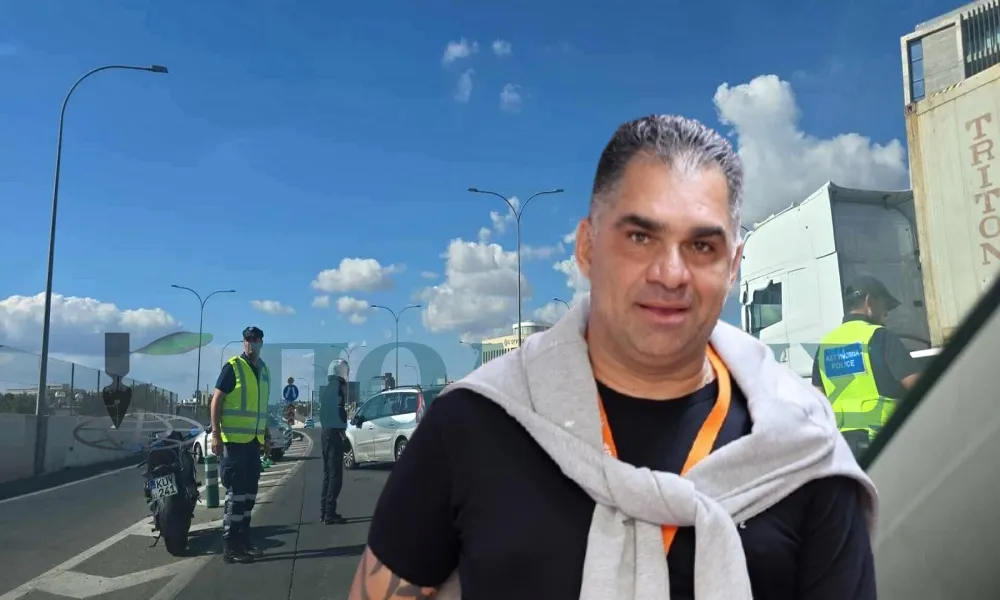
The murder of Stavros Demosthenous has sent shockwaves across Cyprus, with the police scrambling to uncover the circumstances behind one of the most serious criminal acts in recent memory. The case is being treated with utmost urgency and gravity at all levels of law enforcement, as investigators intensify their efforts.
The killing has particularly shaken Limassol’s business community, where concern is mounting over the brazenness of organised crime, now operating even in broad daylight. There is a growing sense of insecurity, with many questioning whether the state is still in control of criminal activity in the city.
The government now faces increasing pressure to reassure the public about safety and order. Over the past several years, crime in Limassol has evolved, both in scale and sophistication, with residents and business owners warning that the situation is veering out of control. There is a widespread demand for the authorities to demonstrate not only that they are monitoring criminal networks but that they can contain and dismantle them.
Limassol's turf war
In a city known for its rapid development, inflows of foreign capital, and towering luxury towers, the presence of organised crime has become a growing concern. According to sources within Politis, several businesspeople have, for months now, expressed unease over what they describe as a shift in the balance of power within the criminal underworld - a shift that the Demosthenous murder may have accelerated.
The prevailing fear among some entrepreneurs is that they could become the next targets. A number of them have reportedly faced threats or pressure to pay protection money, sometimes amounting to hundreds of thousands of euros. Those unwilling to comply fear for their personal safety and the future of their businesses.
Police investigations are also examining the possibility that Limassol - the glittering hub of foreign investment and high-net-worth residents, may now be at the centre of a turf war involving rival international criminal groups. Though no official statements have been made on the matter, it is understood to be one of the key lines of inquiry.
Impact on investment
Should this prove true, the implications for Cyprus could be significant. Any perception that Limassol is becoming unsafe could prompt foreign investors and residents to reconsider their presence on the island, a scenario that could have direct consequences for the economy. For years, personal and community safety has been one of Cyprus’s greatest assets in attracting international businesses and professionals. That reputation is now under threat.
The central question facing the state is whether it is prepared to confront the realities of modern organised crime, or whether it will remain a passive observer, outpaced by the evolving landscape. One senior police source who spoke to Politis was clear: “The only way to stop the extortion is for businesspeople to come forward and report it. Giving in to threats only emboldens those behind them.”
As the investigation into Demosthenous’ killing continues, the public - and particularly the business sector - await answers and, more importantly, action.