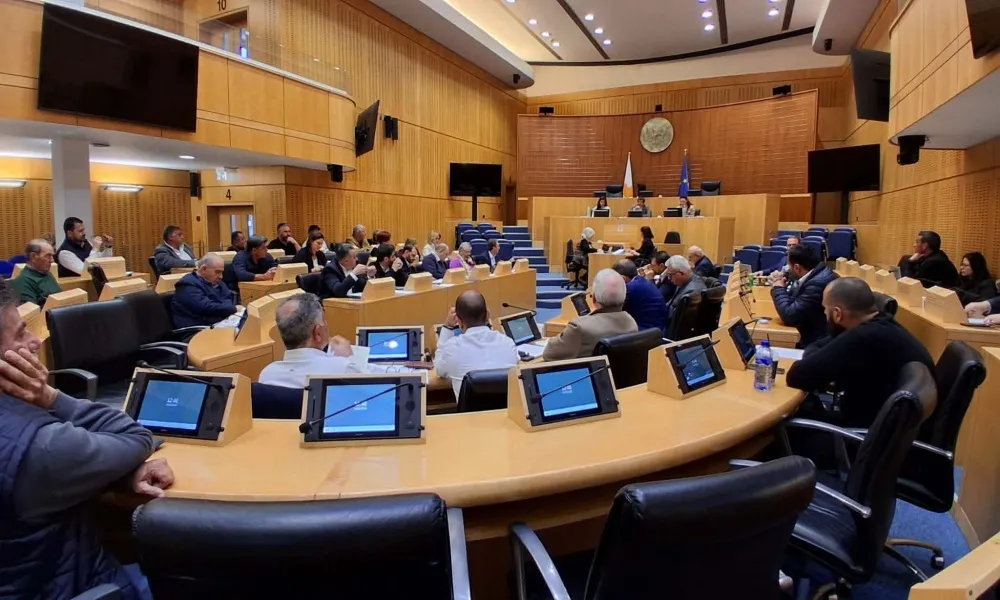

Cyprus heads to parliamentary elections on 24 May 2026, with voters set to elect the 56 members of the House of Representatives. The contest is shaping up in a political environment that is more crowded than in previous elections, with new parties entering the race alongside the established forces that have dominated the system for decades.
Democratic Rally (DISY) and Progressive Party of Working People (AKEL) remain the largest parties, but both face growing competition. The far-right ELAM has strengthened its position, while new political movements are seeking to capitalise on voter frustration with the traditional party system. Below is a guide to the parties expected to compete in the election, presented in alphabetical order:
AKEL - Progressive Party of Working People
AKEL is the historic party of the Cypriot left and one of the two dominant political forces in the country since independence. Founded in 1941, the party has long maintained close links with trade unions and the organised labour movement.
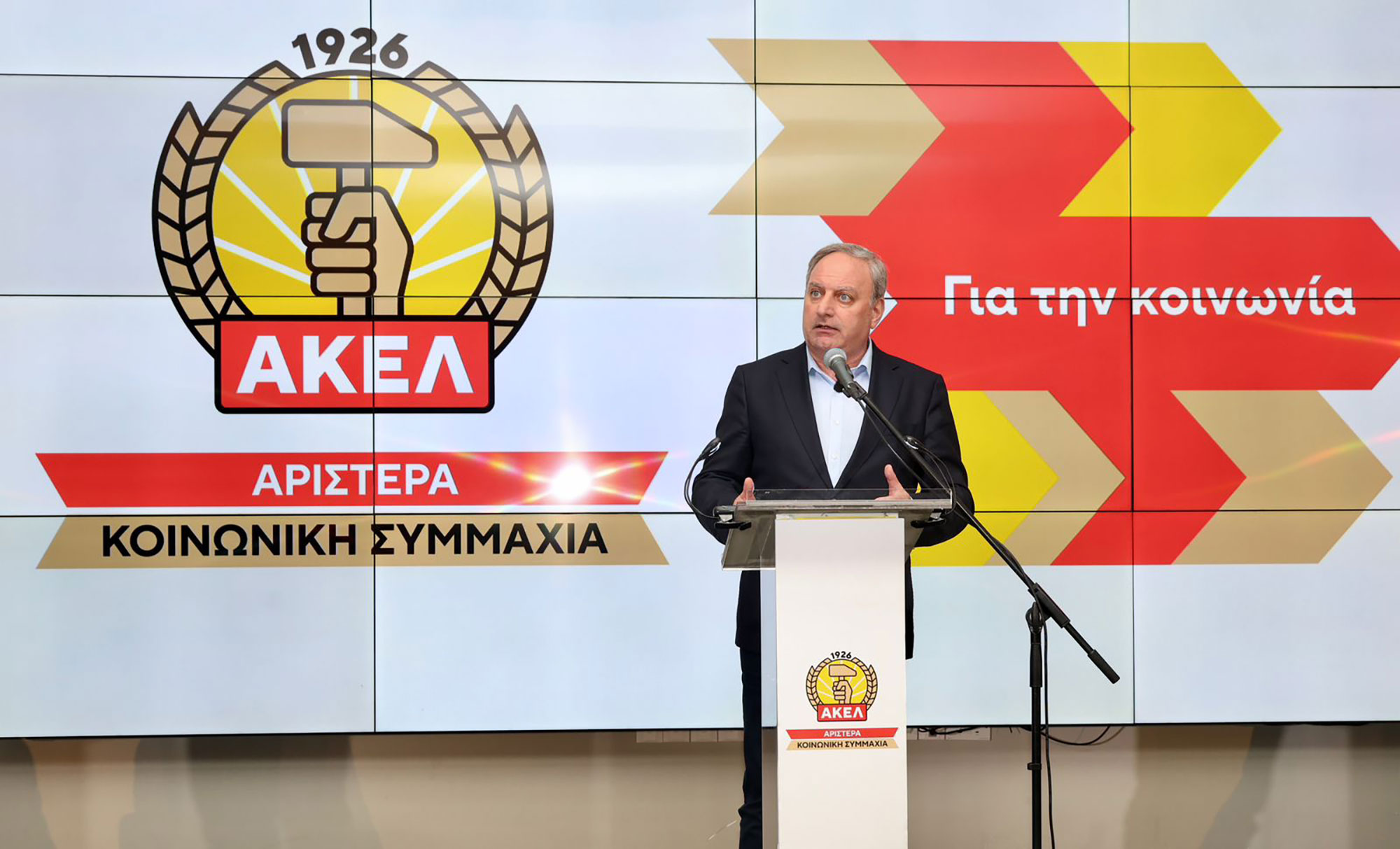
Its political programme focuses on strengthening the welfare state, protecting workers’ rights and promoting social equality. AKEL supports increased public investment in education, health and social services, along with stronger regulation of the labour market. On the Cyprus problem, the party supports a bizonal, bicommunal federation based on United Nations resolutions. AKEL governed Cyprus between 2008 and 2013 under former president Demetris Christofias.
ALMA - Citizens for Cyprus
ALMA is one of the newest political movements entering the parliamentary race. The party was launched in 2025 by former Auditor General Odysseas Michaelides, who gained national prominence through his investigations into corruption during his tenure.
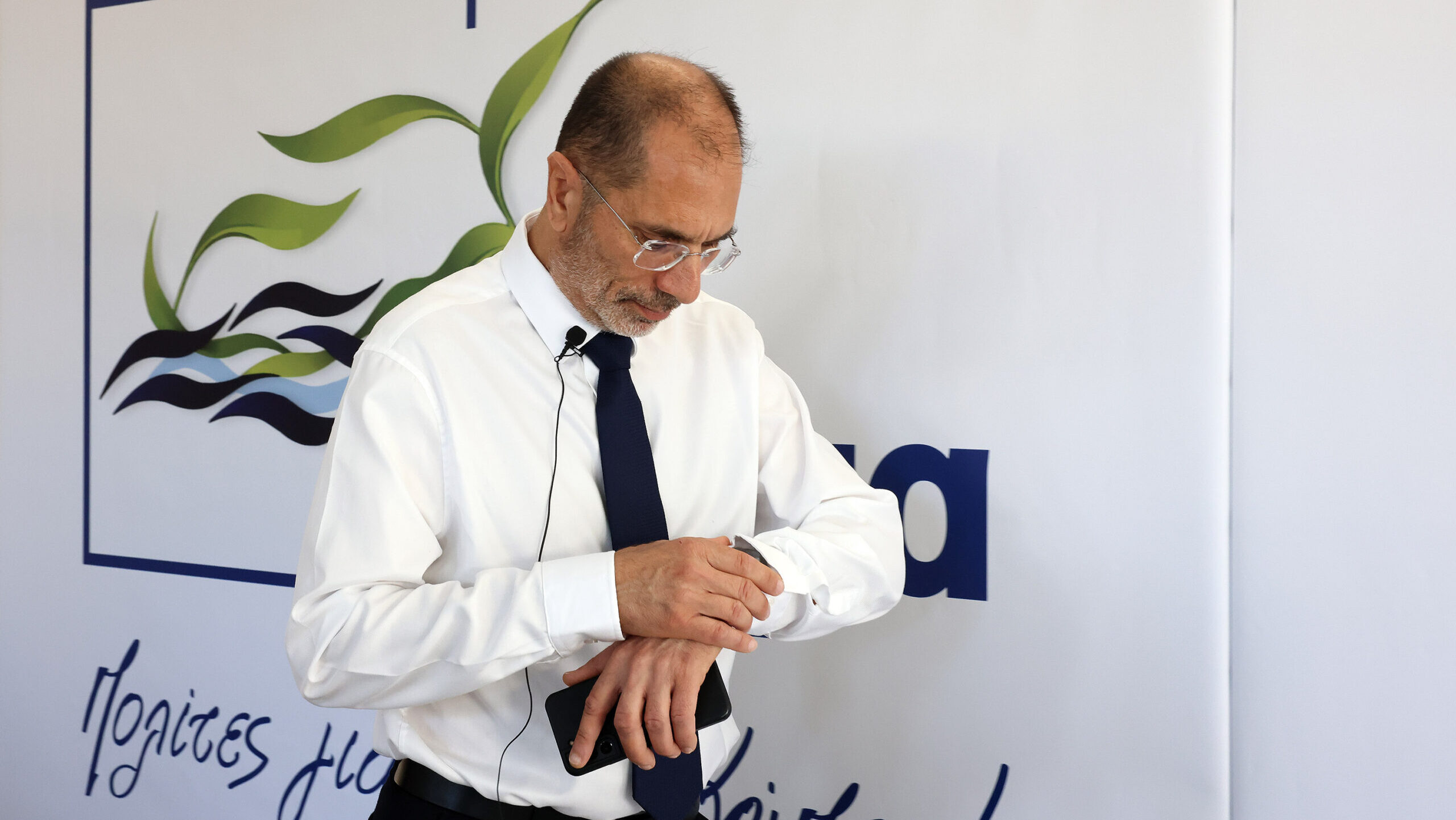
The movement positions itself as a reformist force focused on transparency, accountability and institutional reform. Its programme includes strengthening independent oversight institutions, improving public administration and increasing transparency in public spending. ALMA seeks to appeal to voters frustrated with the traditional political system and has framed its project as an effort to reshape political culture in Cyprus.
DIPA - Democratic Front
The Democratic Front occupies the centrist space in Cyprus politics. The party was formed after a split within the Democratic Party and has attempted to establish itself as a moderate political force between the country’s main left and right parties.
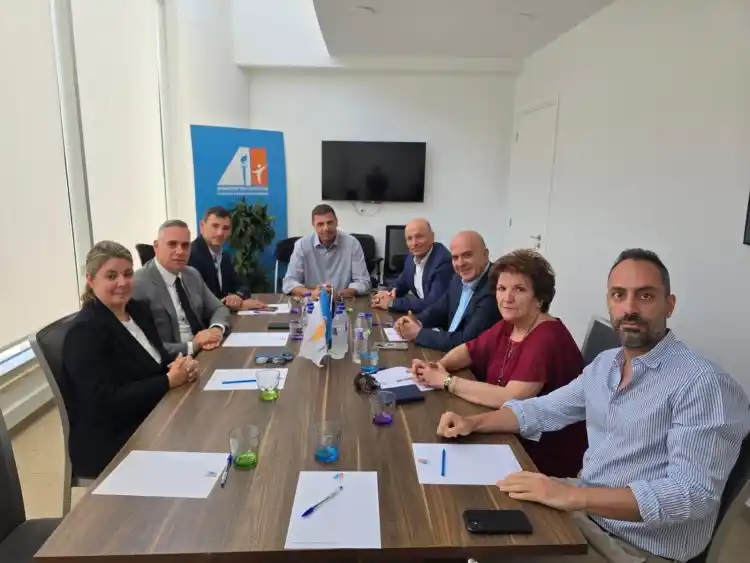
DIPA promotes pragmatic economic management, support for European integration and moderate social policies. It has often cooperated with governing coalitions and currently forms part of the broader political forces supporting President Nikos Christodoulides. The party aims to attract voters who favour political stability and centrist policies.
Democratic National Movement
The Democratic National Movement is a newer political formation founded by independent MP Andreas Themistokleous in 2025 following his departure from far right movement ELAM.
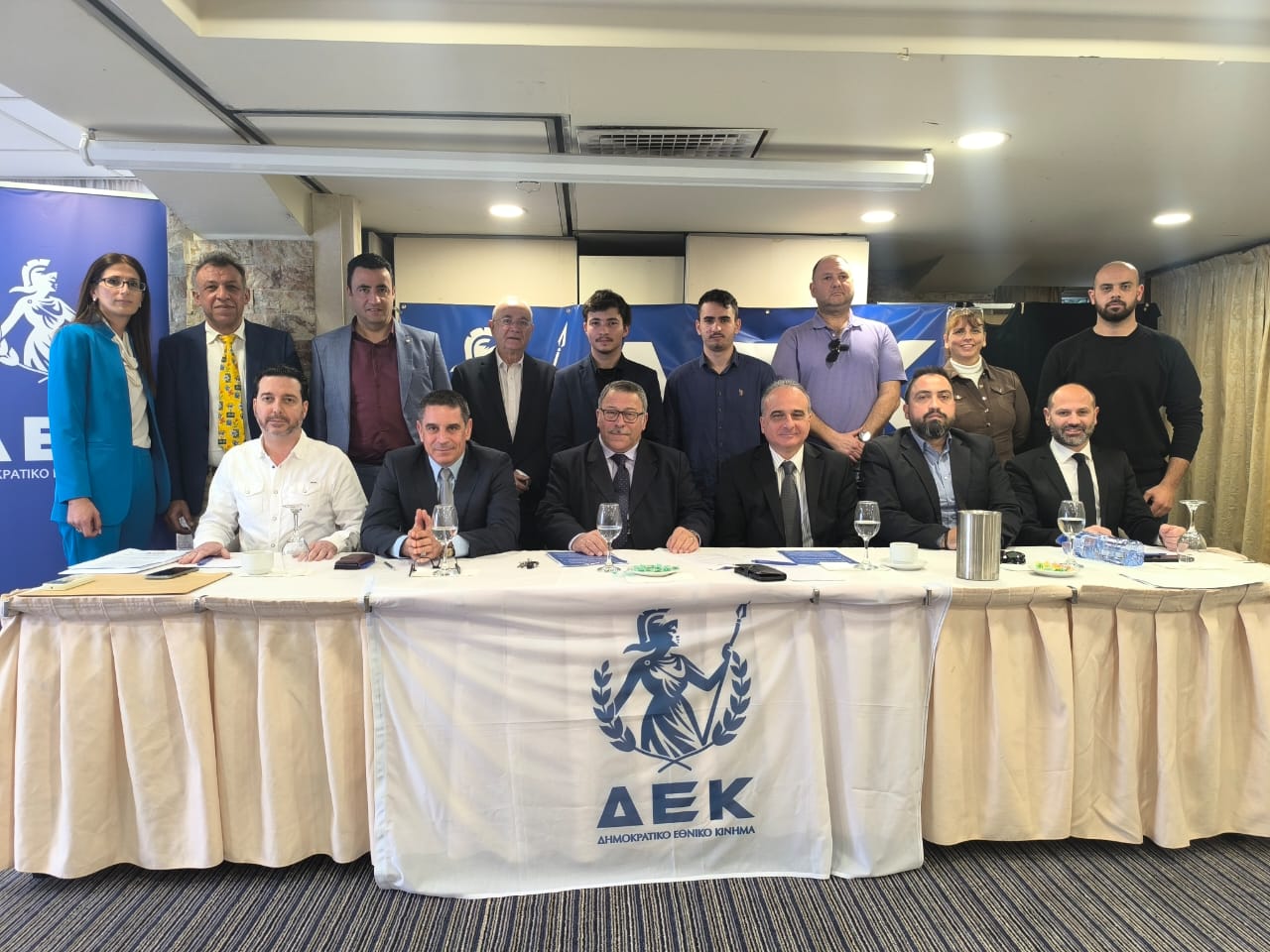
The party positions itself on the nationalist right and places emphasis on issues such as national identity, traditional social values and a more confrontational stance on political debates related to sovereignty and migration. Its electoral prospects remain uncertain, but it reflects a broader fragmentation within the nationalist political space.
DIKO - Democratic Party
DIKO has been a central actor in Cypriot politics for decades and is commonly described as a centrist party.
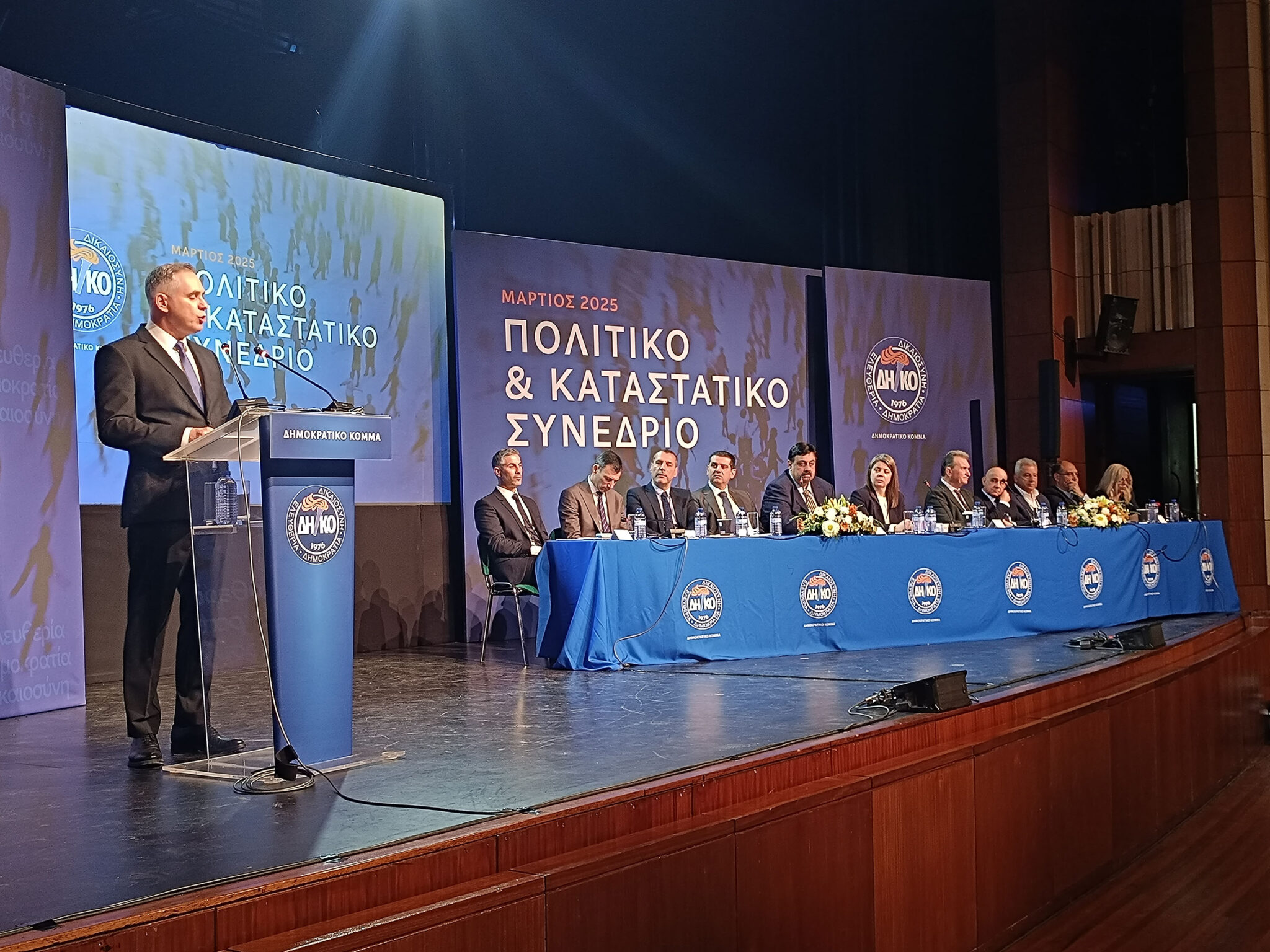
Historically the party has often acted as a political bridge between larger parties and has participated in several coalition governments. DIKO’s programme combines moderate economic policies with a strong focus on national issues and the role of the state in key sectors of the economy. The party currently supports the government of President Nikos Christodoulides.
DISY - Democratic Rally
DISY is the main centre-right party in Cyprus and one of the most influential political organisations in the country’s modern political history.
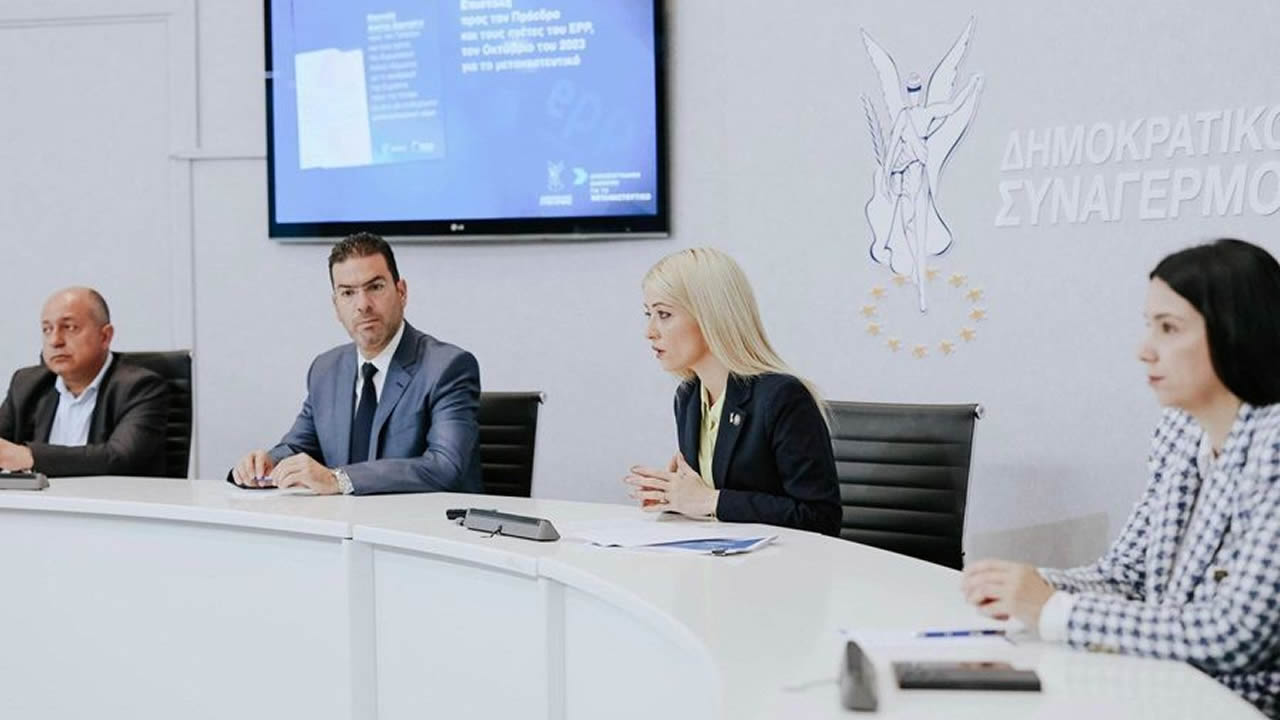
Founded in 1976 by Glafcos Clerides, the party promotes liberal economic policies, fiscal responsibility and close ties with the European Union and Western partners. It generally supports market-oriented reforms and private sector growth. DISY governed Cyprus between 2013 and 2023 under former president Nicos Anastasiades. Since the election of President Christodoulides the party has largely moved into opposition while remaining a major parliamentary force.
Direct Democracy Cyprus
Direct Democracy Cyprus is a new political movement founded by Member of the European Parliament Fidias Panayiotou.

The party promotes greater citizen participation in political decision-making. Its proposals include the use of digital platforms for public consultation and mechanisms that allow voters to play a more direct role in shaping legislation. The movement’s rapid rise in public visibility has been one of the most notable developments ahead of the 2026 election.
EDEK - Movement for Social Democracy
EDEK represents the social democratic tradition in Cyprus politics. The party advocates social justice, labour protections and stronger welfare policies while maintaining a firm stance on national issues.
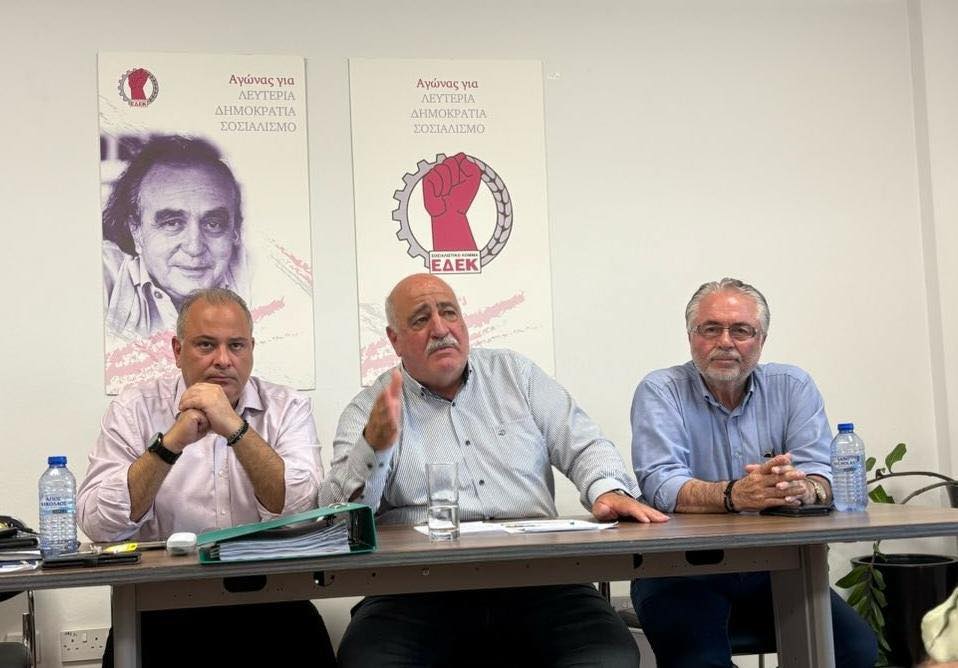
Its programme supports expanded social protections, investment in public services and policies aimed at reducing economic inequality. Although smaller than the major parties, EDEK has often played a role in coalition politics and remains an established presence in the country’s centre left.
ELAM - National Popular Front
ELAM is a far-right nationalist party that has grown significantly over the past decade. Once considered a marginal political movement, it has steadily increased its electoral support and is now among the largest parties in the country.
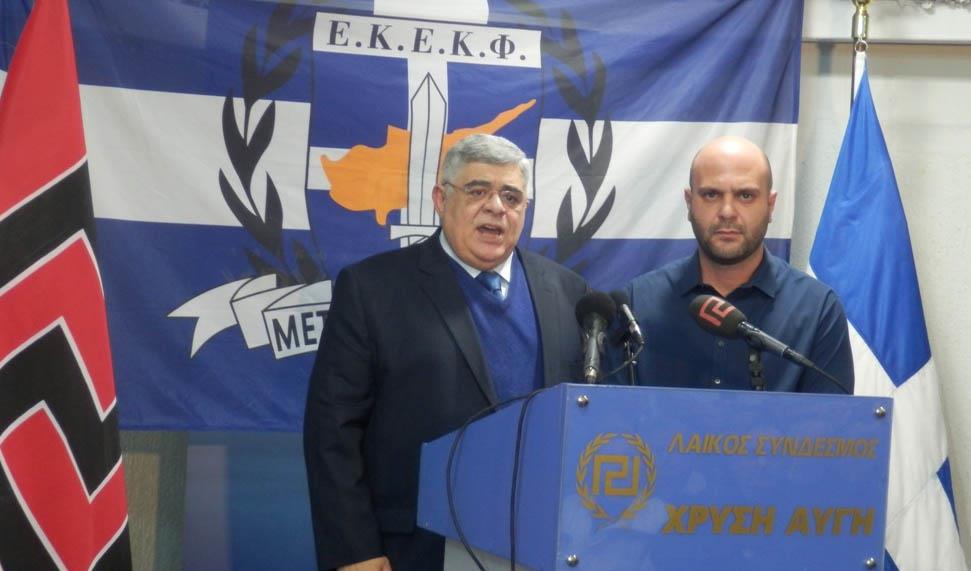
The party emphasises strict migration policies, national identity and security issues. It also supports a hard line approach to negotiations over the Cyprus problem. ELAM’s rise reflects wider political trends across Europe where nationalist parties have gained ground among voters dissatisfied with traditional political forces.
Movement of Ecologists - Citizens’ Cooperation
The Greens represent the environmental movement in Cyprus politics. Their political agenda focuses on climate policy, environmental protection and sustainable development.
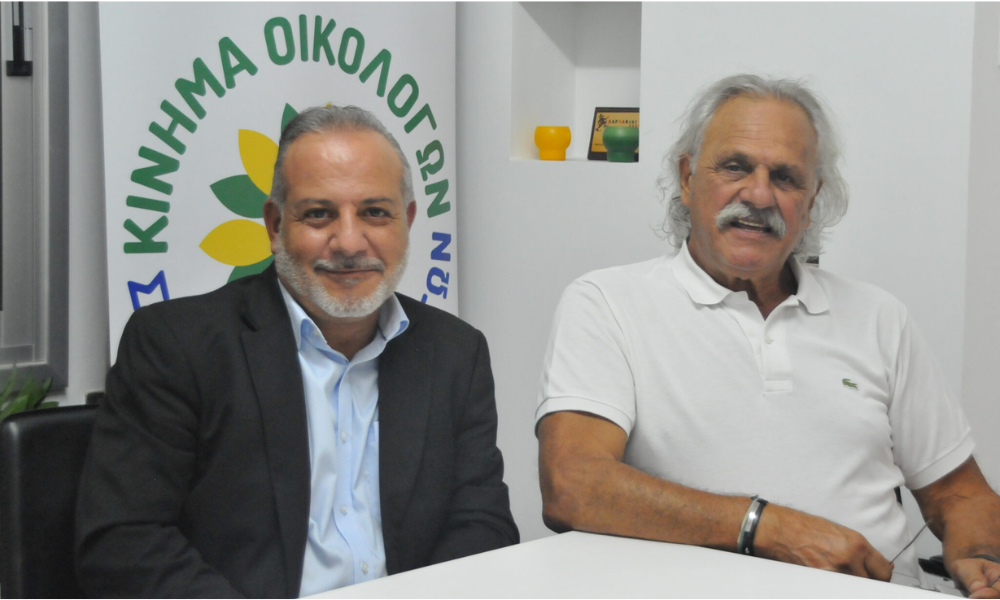
The party has been particularly active on issues such as urban development, renewable energy and the protection of natural habitats. It also places emphasis on transparency and accountability in public administration. Although the Greens hold limited parliamentary representation, they have played an influential role in shaping environmental debates in Cyprus.
Volt Cyprus
Volt Cyprus is part of the pan-European Volt political movement that operates in several European Union member states.
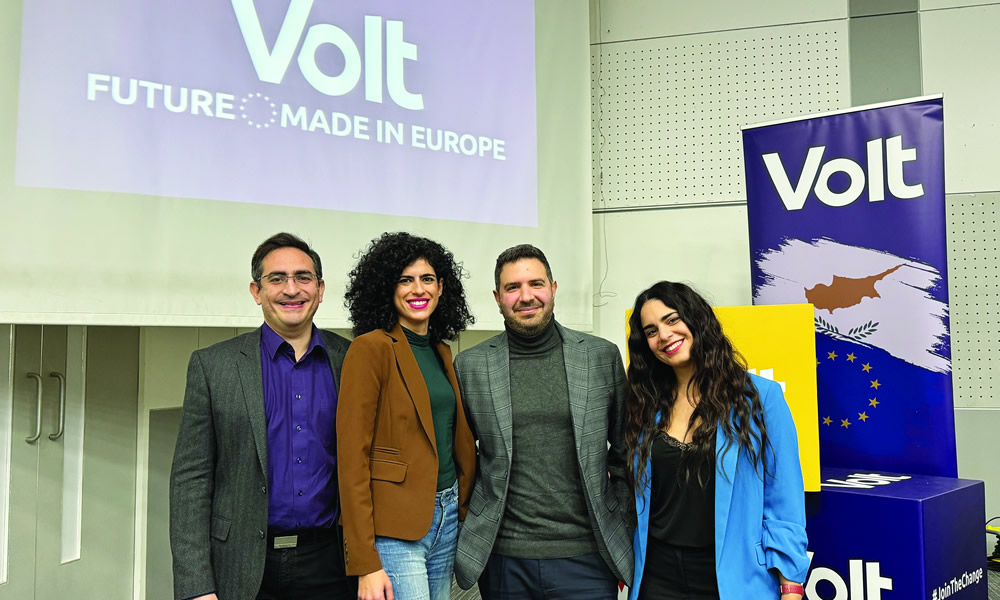
The party promotes deeper European integration, digital governance reforms and progressive social policies. Volt also advocates stronger cooperation within the European Union and a more federal approach to European governance. In Cyprus it positions itself as a modern pro-European alternative to the traditional political parties.
A more fragmented Parliament
Cyprus now has dozens of newly registered political movements - like Sikou Pano and Active Citizens-United Cypriot Hunters Movement. This growing number of political actors reflects broader changes in voter behaviour and declining trust in traditional political organisations.
The upcoming parliamentary election may therefore produce one of the most diverse legislatures in the country’s recent history. Coalition building and cooperation between parties are likely to play a central role in shaping the next political cycle. For voters, the election offers a wide spectrum of choices that range from long-established parties with decades of political experience to newly created movements seeking to reshape the country’s political landscape.