
The European Commission announced on Tuesday in Strasbourg that it is revising its target for reducing carbon dioxide emissions from new cars and vans from 100 percent to 90 percent by 2035. The decision effectively ends the complete ban on internal combustion engines, agreed in 2023, and follows pressure from member states including Germany, Italy, Poland and Hungary, which had called for a rethink citing economic and social impacts on the automotive industry.
Under the revised framework, manufacturers will no longer be required to achieve a full 100 percent reduction in emissions. Instead, the remaining 10 percent may be offset through the use of low-carbon steel produced within the EU or sustainable fuels such as e-fuels and biofuels.
This change allows for the continued production of hybrid vehicles beyond 2035, including plug-in hybrids, range-extender hybrids, mild hybrids and vehicles powered by internal combustion engines.
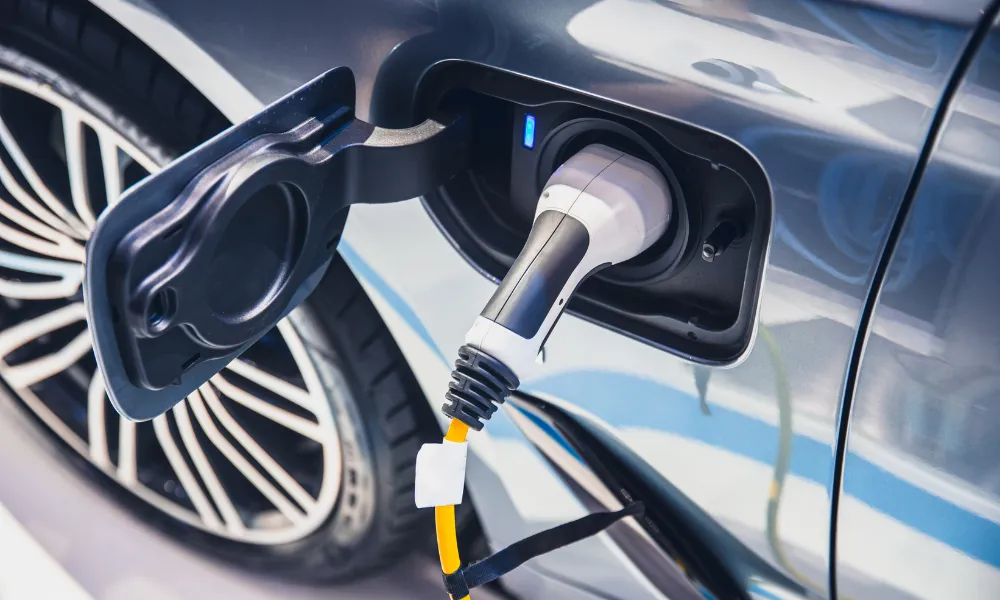
At the same time, the Commission reaffirmed its support for electric and hydrogen technologies. Measures include incentives to promote fully electric vehicles and hydrogen-powered cars, with a particular focus on boosting the production of small, affordable electric vehicles within the EU.
Climate Commissioner Wopke Hoekstra described the decision as a “win-win” when presenting the package after the meeting of the College of Commissioners, noting that it offers flexibility to manufacturers while strengthening the market for green steel.
Transport Commissioner Apostolos Tzitzikostas stressed that the new approach allows for a range of technologies beyond purely electric vehicles to remain viable after 2035.
Among the additional economic and industrial measures announced is the Battery Booster initiative, which foresees €1.8 billion in investment to develop a fully European battery value chain. This includes €1.5 billion in interest-free loans for European producers.
The Commission is also introducing a new category of Small Affordable Cars, referring to compact electric vehicles up to 4.2 metres in length, accompanied by incentives aimed at stimulating demand.
On regulatory simplification, the automotive industry omnibus package was unveiled, targeting reduced bureaucracy and lower costs, with estimated savings of around €706 million per year.
The decision reflects a shift in the EU’s political balance following the 2024 elections, with the European People’s Party and far-right parties gaining greater influence. EPP leader Manfred Weber has been vocal in opposing a total ban on internal combustion engines, arguing that the industry needs more time to adapt.
The Commission’s proposal will now enter negotiations between the European Parliament and the Council of the EU. Talks are expected to begin in January 2026, with Cyprus holding the presidency and chairing the negotiations.