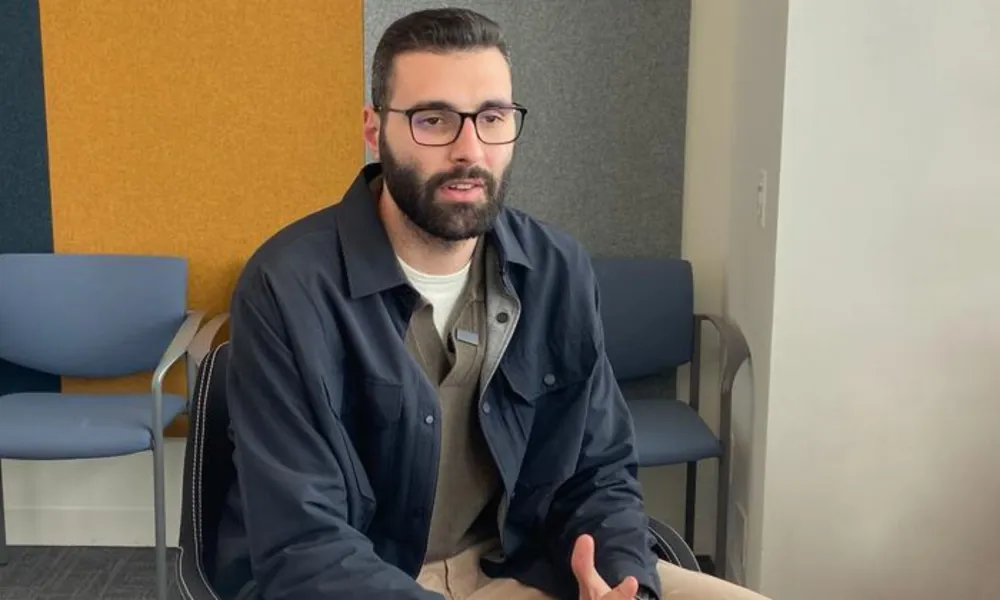

Prominent Palestinian photographer Motaz Azaiza has admitted that he filmed Israeli hostages being abused by crowds on 7 October 2023, but did not release the footage, in order to prevent Israel from identifying those responsible. The revelation, first reported by Israeli media and picked up by several Arab outlets, came in a lengthy interview on journalist Ahmed Bikaoui's podcast, "Taqarb."
Azaiza, who has been named among Time magazine's 100 most influential people and was nominated for the Nobel Peace Prize, said he filmed scenes he chose not to release because he feared Israeli authorities would use them to identify and kill those shown in them. "I didn't want to be responsible, even indirectly, for their deaths, for some likes and views," he said.
In the same interview, he also levelled sharp criticism at Hamas, despite describing himself as a supporter of "armed resistance," in his words. "From 7 October until today, show me one Palestinian in Gaza who was protected by Hamas's weapons. No one," he said.
He also accused the group's leadership of having had the chance, as early as 11 October 2023, to accept a deal that would have included disarmament, one he said could have prevented tens of thousands of deaths and the destruction of the Gaza Strip.
The photographer also described an organised mechanism for intimidating journalists, run through a WhatsApp group which, he said, was managed by a senior Hamas media official at the Rafah crossing. Personal details and phone numbers of journalists were posted in the group, he said, so that online activists could launch coordinated attacks against them if they said or wrote anything that displeased the organisation.
According to Azaiza, photographers in Gaza had learned to immediately lower their cameras whenever a civilian spoke out against Hamas, knowing that anyone who broadcast such footage would be targeted and pursued "to the end" by the group's apparatus, as he put it.
Azaiza, who left Gaza four months after the war began and now lives in Qatar, also spoke of the deep psychological trauma he carries. "Gaza is the most toxic place in the world. You love it, but it wounds you and destroys you," he said.
Source: CNA