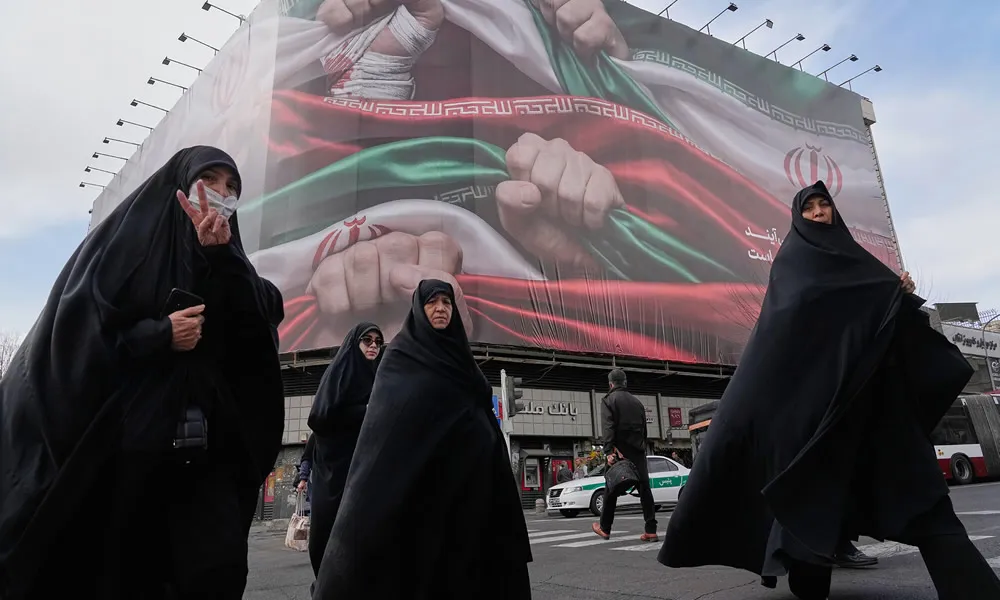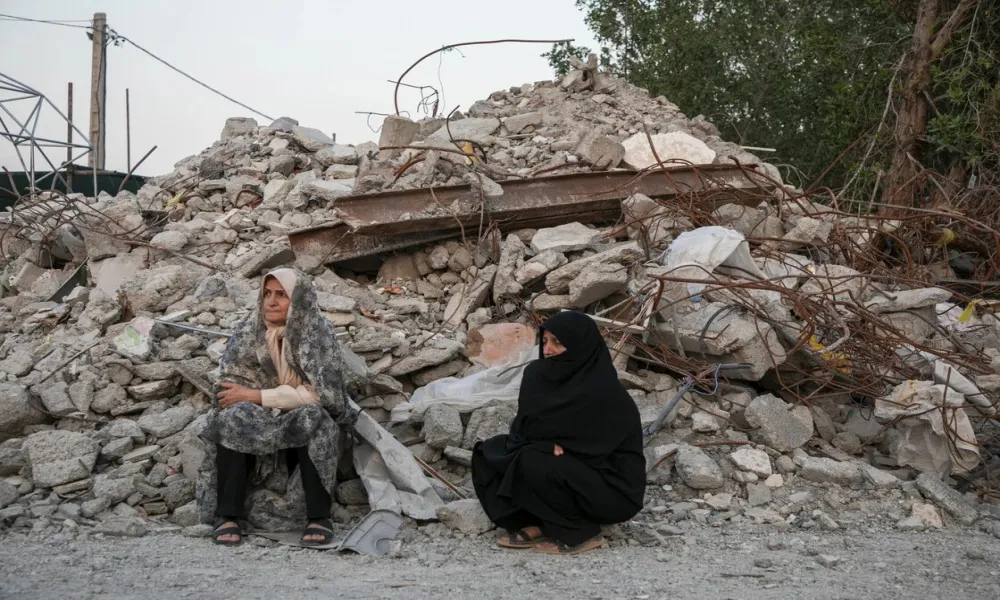

Iran accused the United States of a "gross violation" of the ceasefire on Tuesday after US Central Command carried out fresh strikes in Iran's southern Hormozgan province, hitting what Washington described as boats attempting to lay mines and missile launch sites. Iran's Revolutionary Guards said they reserved the right to retaliate, adding that air defence units had downed a US drone and fired at another drone and a fighter jet they said had entered Iranian airspace over the Gulf.
Secretary of State Marco Rubio, speaking to reporters in Jaipur where he was attending the Quad foreign ministers' meeting, said the Strait of Hormuz had to be open "one way or the other," and that finalising a deal could "take a few days." Both sides played down the prospect of an imminent agreement, even as officials on both sides indicated progress on a memorandum of understanding that could halt the war and give negotiators 60 days to address more complex issues, including Iran's nuclear programme.
Global benchmark Brent crude rose almost 3% on Tuesday to $98.91 a barrel following news of the strikes.
What a deal would look like
According to Iranian sources, an initial agreement would cover ending the war on all fronts, establishing a 30-day framework for restoring movement through the Strait of Hormuz, and providing some degree of financial relief, with Iran's nuclear programme left to a second phase of negotiations. Iran has been selectively allowing some ships through the strait, giving preference to vessels linked to countries with which it has alliances or close ties.
The war began on 28 February with joint US and Israeli strikes on Iran. Tehran responded by launching drones and missiles at Gulf states hosting US bases. The conflict has caused an unprecedented oil supply shock, driving up the cost of fuel, fertiliser and food worldwide. Only a few dozen vessels are currently passing through the Strait of Hormuz daily, compared with 125 to 140 before the conflict. Around a fifth of the world's oil and liquefied natural gas normally flows through the waterway.
The Doha talks
Iran's top negotiator Mohammad Baqr Qalibaf travelled to Doha on Monday alongside Iran's foreign minister and central bank governor for talks with Qatar's prime minister on a potential deal. Qalibaf was seeking agreement on the release of approximately $24 billion in Iranian funds frozen overseas as part of the memorandum of understanding, according to Iran's Tasnim news agency. Iran's Fars news agency cited a source saying the unfreezing of those funds remained the last serious sticking point before the preliminary deal could be finalised.
Iranian Supreme Leader Ayatollah Mojtaba Khamenei used the occasion of the annual hajj pilgrimage to issue a stark warning, writing on Telegram that "the clock cannot be turned back, and the nations and lands of the region will no longer be a shield for American bases." He added that slogans of "Death to America" and "Death to Israel" would become rallying cries of what he called the Islamic nation and oppressed peoples worldwide.
Trump, meanwhile, called on Saudi Arabia and other Arab and Muslim states to sign the Abraham Accords as part of any broader settlement. Saudi Arabia has long maintained it will not normalise relations with Israel without a clear roadmap to Palestinian statehood, a condition the current Israeli government rejects. In Lebanon, Israeli Prime Minister Benjamin Netanyahu said Israel would intensify strikes against Hezbollah, and the Israeli military on Tuesday warned residents of the southern Lebanese town of Nabatieh to evacuate ahead of possible airstrikes, despite a mid-April ceasefire that Israel says does not bind it from acting against Hezbollah.
Source: Reuters