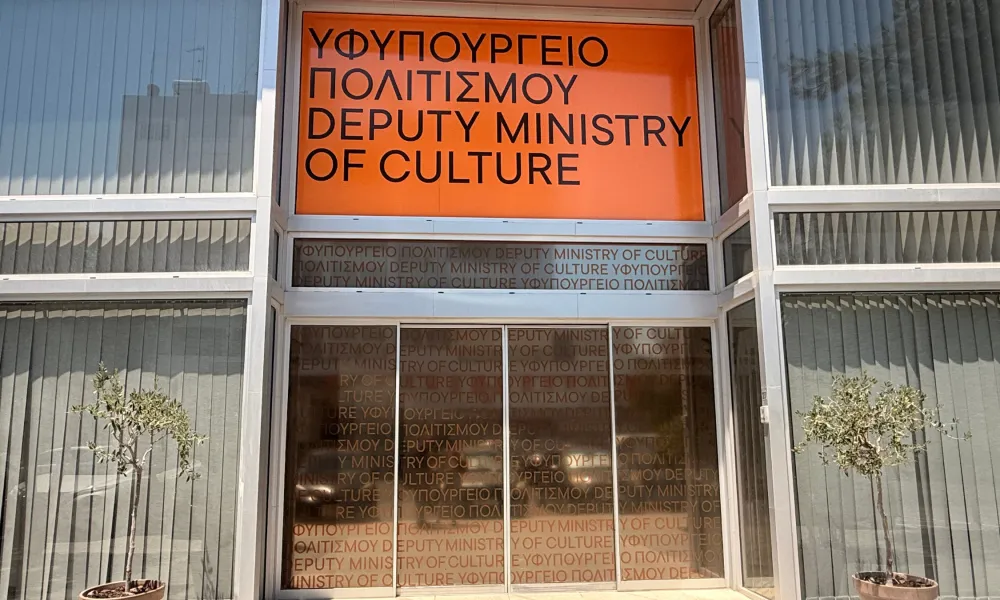
The crisis at the Deputy Ministry of Culture has moved into the political arena following a staff walkout and allegations concerning the ministry’s management, with both DISY and AKEL intervening over what they describe as persistent administrative and operational problems.
New Deputy Minister Klea Hadjistephanou Papaellina met on Thursday with the heads of the ministry’s three departments and is now awaiting the return of Director-General Giorgos Papageorgiou on Monday to discuss a controversial letter sent to the Finance Ministry and a proposal to place the duties of financial control officers under his authority.
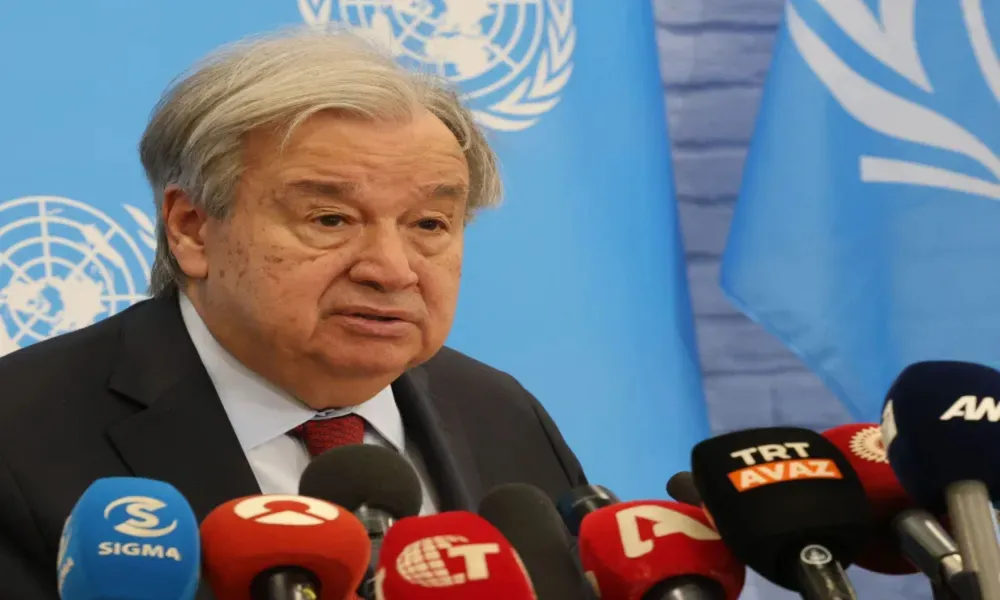
Papageorgiou, who is abroad on an official trip, told SIGMA on Wednesday that the issue had been raised with department directors during a meeting in Ayia Napa last June and that the letter was sent last Friday.
Asked whether the deputy minister agreed with the proposal, he said it would probably be among the first matters they would discuss upon his return on Monday.
According to Politis information, the issue was indeed raised at the June meeting, but the department directors expressed their opposition.
Meeting with department heads
Papaellina’s meeting on Thursday with Department of Antiquities Director Dr Giorgos Georgiou, Department of Contemporary Culture Director Dr Ioanna Hadjikosti and State Archives Commissioner Dr Christos Kyriakides reportedly took place in a positive atmosphere.
The three officials outlined the problems confronting their respective departments.
The meeting indicated that the new deputy minister intends to address the situation and restore the smooth operation of the ministry.
DISY and AKEL intervene
The dispute intensified following an intervention by Dr Efi Kyprianidou, responsible for the culture portfolio on DISY’s Government Programme Monitoring Council, who described the situation as one of “months-long administrative dysfunction”.
Kyprianidou cited failures to meet deadlines, delays affecting major grant programmes and the establishment of evaluation committees, as well as an accumulation of unresolved matters.
She described the allegations made by employees as “extremely serious” and called for an independent and impartial investigation.
AKEL also intervened, arguing that recent developments confirmed previous concerns it had raised about serious problems within the Deputy Ministry.
The party criticised what it described as an “authoritarian and centralised management style”, linking it to cultural initiatives that it said had either been cancelled or postponed indefinitely.
AKEL called on the government, and Papaellina in particular, to act “without delay” to ensure that the Director-General performs his duties lawfully, impartially and with respect for both employees and members of the cultural sector.
Complaints predated the walkout
Concerns surrounding Papageorgiou did not begin with this week’s industrial action.
PASYDY had previously raised complaints about repeated delays in securing approvals, interference in the work of individual departments and the imposition of unilateral decisions.
On 15 June 2026, PASYDY Secretary-General Stratis Mattheou confirmed on Politis radio programme Proini Epitheorisi that the union was examining complaints concerning the Director-General.
Those complaints followed serious delays affecting the POLITISMOS III programme earlier in the year.
POLITISMOS III delays
Under the original timetable, the evaluation of applications for POLITISMOS III was expected to be completed by 30 January 2026.
By the end of February, however, evaluation committees had still not been established, according to complaints made at the time by cultural organisations.
The delays prompted artists to stage a demonstration outside the Deputy Ministry in early March.
The ministry subsequently committed to announcing the names of evaluators on 9 March, but the list was eventually published on 20 March.
At that point, the Deputy Ministry said evaluators had begun examining the 506 applications two weeks earlier and expected the process to be completed during April.
Results were instead released gradually over subsequent months, with decisions in some sectors not announced until mid or late May.
During that period, Papageorgiou publicly accepted responsibility for the problems, saying in interviews with Astra and Parathyro that he “personally takes responsibility” for the situation.
He linked the delays to changes in evaluation procedures introduced following observations by the Audit Office.
Cultural Decentralisation Programme also delayed
Further delays were subsequently recorded in the Cultural Decentralisation Programme.
Activities under the programme had been scheduled to begin on 1 June 2026, but the results were not announced until 9 July.
Those delays have now gained renewed significance because one of the complaints raised by employees concerns repeated delays by the Director-General in advancing approvals.
Attention is therefore turning to Monday’s return of Papageorgiou and the discussions expected with Papaellina over the contested Finance Ministry letter, the proposed redistribution of financial responsibilities and the broader management dispute that has brought the Deputy Ministry into crisis.