Passengers evacuated from the cruise ship MV Hondius, which was affected by a hantavirus outbreak, began returning by air to their home countries on Sunday using military and government aircraft after the vessel anchored in the Canary Islands.
One American passenger tested positive for the virus, while a French passenger developed symptoms during a separate return flight.
Late on Sunday, US health authorities said that one of the 17 American passengers evacuated from the MV Hondius had tested positive for hantavirus but showed no symptoms.
Earlier, one of the five French passengers developed symptoms during the return flight, French Prime Minister Sébastien Lecornu said in a statement. All five were placed in strict isolation and plans were made for diagnostic testing.
Authorities evacuated passengers after the vessel arrived in Tenerife, the largest island in Spain’s Atlantic archipelago off the west coast of Africa.
Earlier, officials from Spain’s Ministry of Health, the World Health Organization and cruise operator Oceanwide Expeditions said none of the at least 140 people on board at the time had shown symptoms.
Containment measures and health response
The aircraft carrying American passengers was expected to arrive in Omaha, Nebraska, early on Monday. They were due to be transferred to the University of Nebraska Medical Center, which operates a federally funded quarantine facility, to assess exposure risks and levels of possible transmission.
The centre also runs a specialist treatment unit for highly infectious diseases, previously used during the COVID-19 pandemic and for Ebola patients.
Passengers were escorted ashore by personnel wearing full protective suits and respirators. Spanish passengers were flown to Madrid and transferred to a military hospital, while French passengers later arrived in Paris, where emergency services were on standby.
Evacuations were continuing for passengers from more than 20 countries, with the operation expected to conclude by Monday. Japan’s foreign ministry said one Japanese national arrived in the United Kingdom on a special government-organised flight and will remain under medical monitoring for up to 45 days.
Three people have died since the outbreak began, while five individuals who had disembarked earlier from the ship have been infected.
Public health risk remains low
Health authorities said the risk to the general public remains low. WHO Director General Tedros Adhanom Ghebreyesus reiterated that there is no cause for alarm. “This is not another COVID-19 and the risk to the public is low, so people should not fear or panic,” he said.
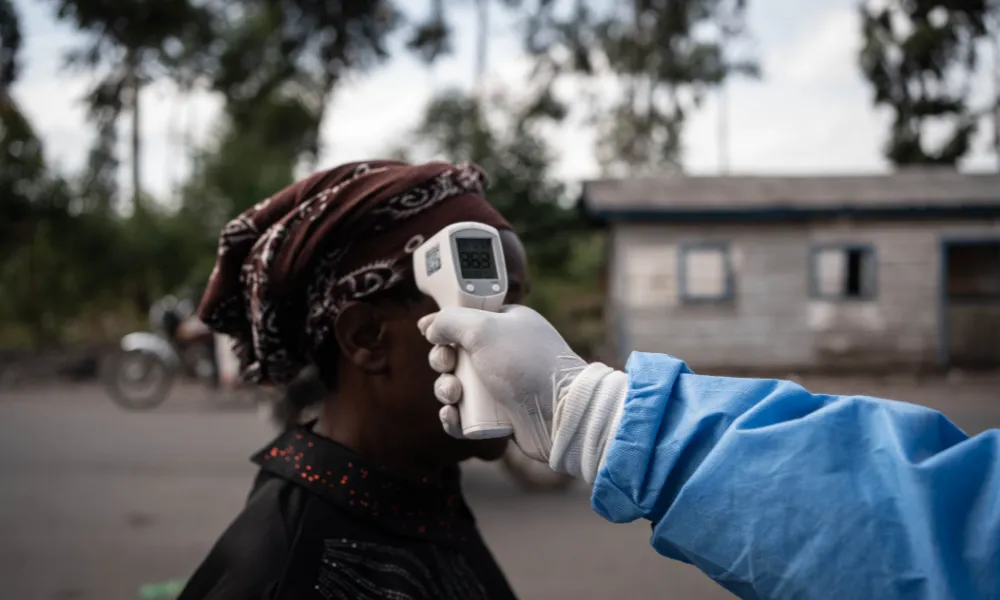
Despite this, port workers and passengers wore full protective equipment during the evacuation. Video obtained by the Associated Press showed passengers being sprayed with disinfectant while wearing protective suits on the runway.
WHO health operations chief Diana Rojas Alvarez said passengers were relieved to be returning home. “It was great to see the buses leaving and people genuinely happy to set foot on land again and go home,” she said.
Passengers and crew were screened for symptoms and were not allowed any contact with the local population. Disembarkation took place only when evacuation flights were ready.
The virus and onward actions
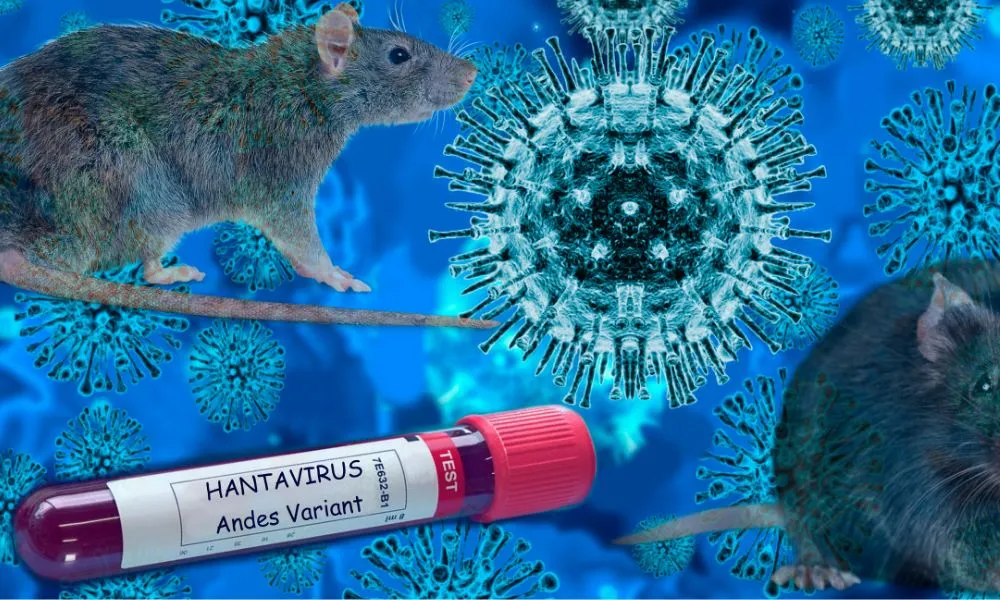
Hantavirus usually spreads when people inhale particles contaminated by rodent droppings and does not easily transmit between humans. However, the Andes strain identified in this outbreak may, in rare cases, spread from person to person. Symptoms typically appear between one and eight weeks after exposure.
Passengers were required to leave their luggage behind and were allowed to take only a small bag containing essential items, a mobile phone, a charger and personal documents.
Some crew members, as well as the body of a passenger who died on board, will remain on the vessel, which will sail to Rotterdam in the Netherlands for disinfection. The journey is expected to take about five days, according to the cruise operator.
Source: CNA