
The foot-and-mouth disease (FMD) outbreak in Cyprus is under control and showing signs of subsiding, according to Demetris Epaminondas, a member of the epidemiological team and president of the Cyprus Veterinary Association.
Epaminondas told CNA that, apart from two livestock farms that remain under investigation, all other farms tested negative for the disease, while more than 90% of livestock farms across the island have completed a two-dose vaccination programme.
"We are in control during the second phase of surveillance, which began in mid-June. More than 30% of livestock farms across Cyprus have been inspected," he said.
Apart from the two farms still under investigation, all the remaining ones have tested negative, he added.
"This indicates a very positive epidemiological picture. It shows that the outbreak is essentially subsiding and that we are managing the situation much more effectively. The situation is currently under control," he said.
Hot weather helps
Epaminondas said high temperatures were also helping to destroy the virus and limit its spread.
Asked whether restrictions could be eased further, he said that "epidemiological surveillance must increase significantly and we must reach a much higher level of epidemiological investigation before we can introduce additional relaxations."
However, he cautioned that "grazing at this stage is something that can spread the virus, even under high temperatures."
High vaccination count
He added that "more than 90% of livestock farms in Cyprus, covering essentially more than 90% of the country's livestock population, have completed the two-dose vaccination programme."
Referring to vaccinations in Paphos district, he said earlier problems had been resolved and the programme was proceeding according to schedule.
Speaking about a livestock sector reconstruction plan being prepared by a team led by Stavros Malas, he said it "will enhance biosecurity in small areas where many livestock farms are concentrated."
He also said that "good planning and good preparation have been carried out for the coming winter."
Island-wide problem
At the same time, he stressed that "vaccinations and biosecurity measures will remain in place for quite some time, as they will protect us from the virus returning, because, as you know, in the Turkish occupied areas, apart from the initial vaccination, virtually nothing else was done."
He urged livestock farmers to use the summer period to clean their farms in preparation for winter and to reduce the risk of new infections.
Anti-vaxxers
"Livestock farmers who refuse vaccination must understand that such refusal could lead to a worsening of the situation," Epameinondas said, calling on farmers to cooperate.
"Vaccination is important not only for those receiving it but also for neighbouring farms. It is therefore better to think of the common good," he concluded.
Thousands of animals, including cattle and sheep, were affected in livestock units in Larnaca and later Nicosia district after an outbreak of foot-and-mouth disease was first reported in the government-controlled areas on 20 February. The disease spread to Limassol in May following an outbreak in the north of the island in December.
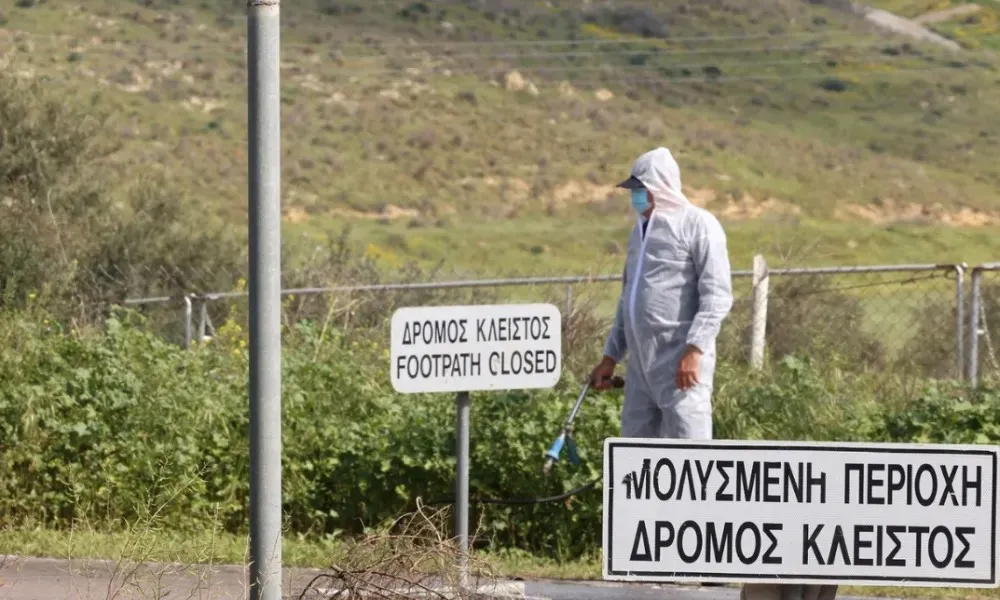
Authorities launched a nationwide vaccination campaign to contain the virus. Under European Union rules, animals in infected areas must be culled, affecting livestock farming and related agricultural activities. Halloumi, Cyprus' main agricultural export product, has not been affected. Experts say foot-and-mouth disease does not pose a danger to humans.
Source: CNA