
By Tasos Yiasemides
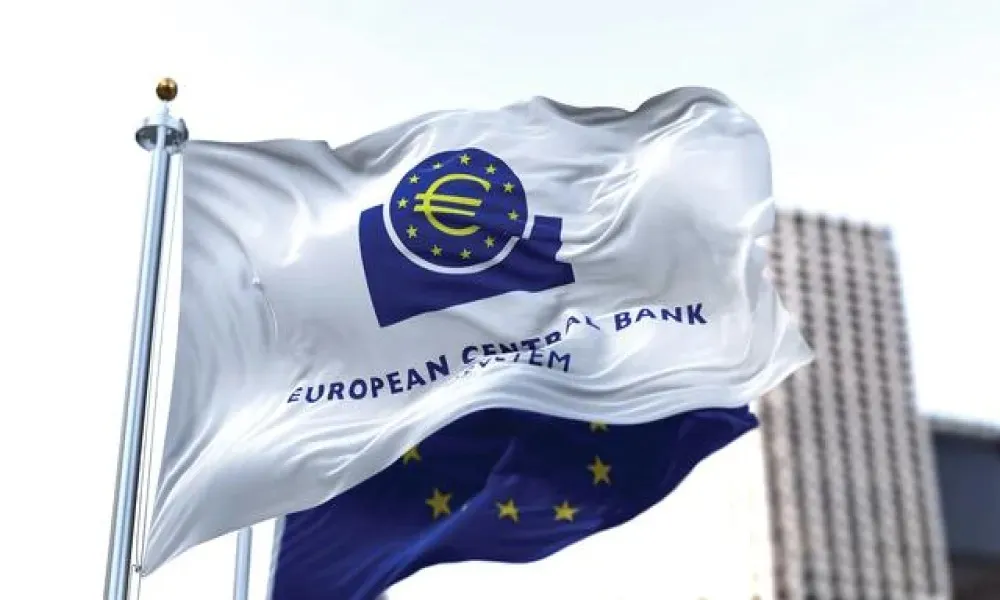
The prospect of another interest rate increase by the European Central Bank (ECB) is again at the centre of economic debate across Europe, as inflation continues to weigh on households and businesses while growth slows.
In recent years, European economies have been hit by successive shocks – including the pandemic, the energy crisis, geopolitical tensions and rising production costs – all of which have driven prices higher. In response, the ECB shifted away from ultra‑low rates, opting instead for a series of successive increases aimed at bringing inflation under control.
Inflation still above target
Although inflation has eased from its previous highs, it remains above the ECB’s 2% target, maintaining pressure on policymakers to keep monetary policy tight.
The central bank’s approach is based on reducing demand: Higher interest rates make borrowing more expensive, which in turn dampens consumption and investment. In theory, this helps slow price increases.
However, the strategy comes at a cost – especially when applied at a time of already weak economic momentum.
Growing stagflation concerns
Economists are increasingly warning of a potential stagflation scenario, where high inflation coexists with weak growth and rising unemployment.
This is one of the most difficult economic conditions to manage:
- Raising rates can curb inflation but further slow the economy
- Easing policy can support growth but risk reigniting inflation
Several indicators suggest the eurozone may already be moving in that direction, with slowing industrial output, reduced investment activity and weak consumer confidence.
Impact on businesses
Higher interest rates significantly increase the cost of borrowing for companies, particularly small and medium‑sized enterprises (SMEs).
This can lead to:
- Delayed or cancelled investments
- Reduced hiring
- Lower production levels
In economies such as Cyprus and Greece, where SMEs play a major role, the impact is expected to be especially pronounced.
Pressure on households
The effects are also being felt by households, particularly borrowers.
As interest rates rise:
- Loan repayments increase
- Disposable income shrinks
- Consumer spending declines
This ripple effect impacts sectors such as retail, hospitality and tourism, which rely heavily on household consumption.
Mortgage holders most exposed
The biggest burden falls on borrowers with variable‑rate loans, which are directly linked to ECB decisions.
In Cyprus and Greece, a large share of mortgages fall into this category, meaning each rate hike translates into higher monthly repayments for thousands of households.
What was once a manageable mortgage can now place significant strain on family budgets, forcing households to cut spending or struggle to cover essential costs.
Wider financial strain
Borrowers with consumer loans or credit card debt face even greater pressure, as these products typically carry higher interest rates.
As borrowing costs rise:
- Debt servicing becomes more expensive
- Household debt levels can escalate quickly
- Some borrowers risk falling into financial distress
Businesses with existing loans are also affected, facing higher financing costs at a time when demand is weakening.
Social consequences
The social impact is increasingly evident, particularly for:
- Low‑ and middle‑income households
- Young workers
- Families with children
- Small business owners
These groups are feeling the combined pressure of rising living costs and higher borrowing expenses, reducing their purchasing power.
Some positives – but limited
Despite the negative effects, there are a few upsides.
The ECB’s primary objective remains the reduction of inflation, which, if successful, will stabilise prices and protect purchasing power in the long term.
In addition, higher rates are beginning to offer better returns for savers after years of near‑zero interest.
However, the key question remains whether these benefits are sufficient to offset the broader economic strain.
A critical period ahead
The coming months are seen as crucial for the eurozone economy.
The ECB faces a delicate balancing act:
- Controlling inflation
- Avoiding a deeper economic slowdown
The decisions taken will directly affect:
- Household finances
- Business investment
- Employment
- Overall economic stability