
Cyprus wants its Presidency of the Council of the European Union to help deliver a more resilient energy system that can withstand external shocks while keeping energy affordable for households, businesses and industry, Energy Minister Michael Damianos said on Wednesday.
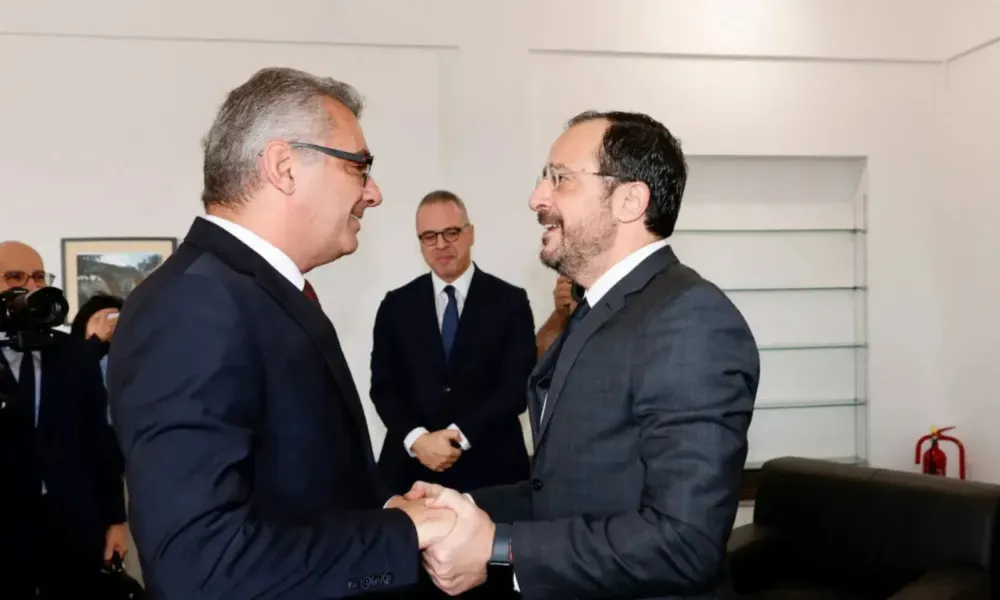
Opening the informal meeting of EU energy ministers at the Filoxenia Conference Centre in Nicosia, Mr Damianos said Europe was meeting “in a complex geopolitical environment”, 75 days after the start of the conflict in the Middle East and amid persistent energy challenges requiring a stronger Energy Union.
He said the Cyprus Presidency was working under the motto “an autonomous Union open to the world”, with a focus on protecting Europe’s economic and energy security, maintaining affordable energy prices and strengthening the EU’s strategic autonomy.
“Our aim is to create a resilient energy system, capable of withstanding external shocks, while ensuring that energy remains affordable,” he said.
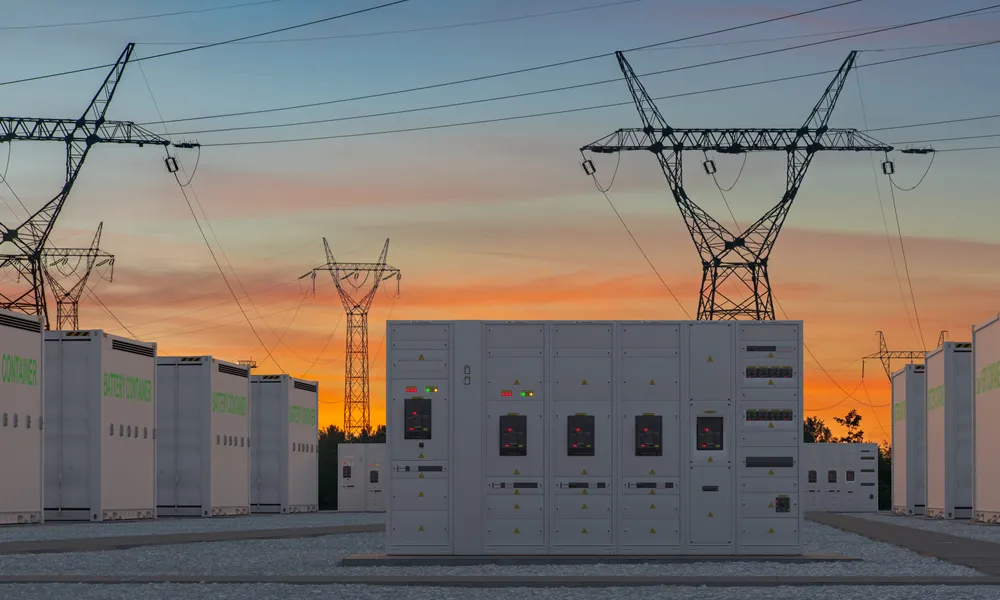
The agenda of the meeting includes three main issues: AccelerateEU, electricity storage and energy security, and the role of natural gas after 2030. Representatives of the EU Agency for the Cooperation of Energy Regulators and the East Mediterranean Gas Forum are also taking part in the discussions.
Mr Damianos said the war in the Middle East and the closure of the Strait of Hormuz had again exposed Europe to external risks and volatility in international fossil fuel markets. Although Europe does not currently face immediate security of supply risks, he said resilience depends on a coordinated European response.
He added that the EU must balance targeted, temporary measures to keep energy affordable with longer-term structural reforms needed for a genuinely resilient Energy Union.
Referring to AccelerateEU, recently presented by the European Commission under Energy and Housing Commissioner Dan Jørgensen, Mr Damianos said the rapid and coordinated implementation of the package by member states was now critical. The meeting, he said, offered ministers the opportunity to exchange views on possible action at EU and national level.
Speaking earlier on arrival, Mr Damianos said the situation was “critical” and that Europe had to ensure the energy crisis and transport risks did not undermine competitiveness or economic stability. Ministers, he said, would discuss the Middle East, electricity, storage and the development of domestic energy resources.
He also said the EU must preserve the option of moving towards hydrogen technologies and reducing greenhouse gas emissions by 90% by 2040. Asked about measures such as taxes on excess profits by energy companies, he said decisions should be taken collectively, with the EU remaining united in its response to the crisis.
On Europe’s growing reliance on the United States in the energy sector, Mr Damianos said the objective was to make the greatest possible use of the EU’s own natural resources, while acknowledging that US capacity was probably necessary in the current circumstances.
Asked whether the EU should become a major natural gas exporter while pursuing net zero emissions in the coming decades, he said Europe had gas reserves and should ensure they are used in the years ahead. Natural gas, he added, remained cleaner than other fossil fuels and would still be needed during the transition.
Commission to present ways to cut consumption
Commissioner Jørgensen said on arrival that Europe was facing a fossil-fuel-driven energy crisis and had to continue moving away from fossil fuels.
“We need to step up our efforts to become more energy efficient and replace more fossil fuels with renewable energy,” he said.
He said he would present member states with a list of best practices and ideas to reduce energy consumption and curb demand. The best way to help citizens and industry, he added, was to make the shift from fossil fuels to renewables as attractive as possible.
Mr Jørgensen said some member states may need short-term subsidies for specific industrial sectors or support for vulnerable citizens, but stressed that such measures should be targeted and temporary.
Greek Environment and Energy Minister Stavros Papastavrou said the conflict in the Middle East had sharply highlighted the geopolitical and energy security challenges facing Europe. He said Greece had responded first to the attack on Cyprus, describing the move as a step of historic importance because it reminded Europe of Article 42(7) on European solidarity.
He added that Greece had also adopted targeted domestic measures to support businesses and households, but said Europe must now build a genuine single energy market with new interconnections, strategic infrastructure and a diversified energy mix.
Spain’s Third Deputy Prime Minister and Minister for the Ecological Transition and the Demographic Challenge, Sara Aagesen, said Italy, Germany, Austria, Portugal and Spain had sent a letter to the European Commission calling for common EU-level measures to address possible excess profits.
“We expect the proposal to come soon. We expect a common response, which is the most effective way to handle the situation,” she said.
Romania’s Secretary of State in the Ministry of Energy, Cristian-Silviu Bușoi, said his country was promoting the role of natural gas during the transition, stressing that gas produced within the EU was also a security issue.
“We need more natural gas in Europe. We need gas for the transition, even after 2050,” he said, adding that Romania was coordinating with Nicosia on promoting the role of natural gas in Europe.
Ukraine’s Ambassador to Cyprus, Sergii Nizhynskyi, who also attended the meeting, said the past winter had been particularly difficult for the Ukrainian people and that preparations for the next winter had to begin now. He added that many Ukrainian companies were ready to cooperate with both Cyprus and the wider EU on energy.
Source: CNA