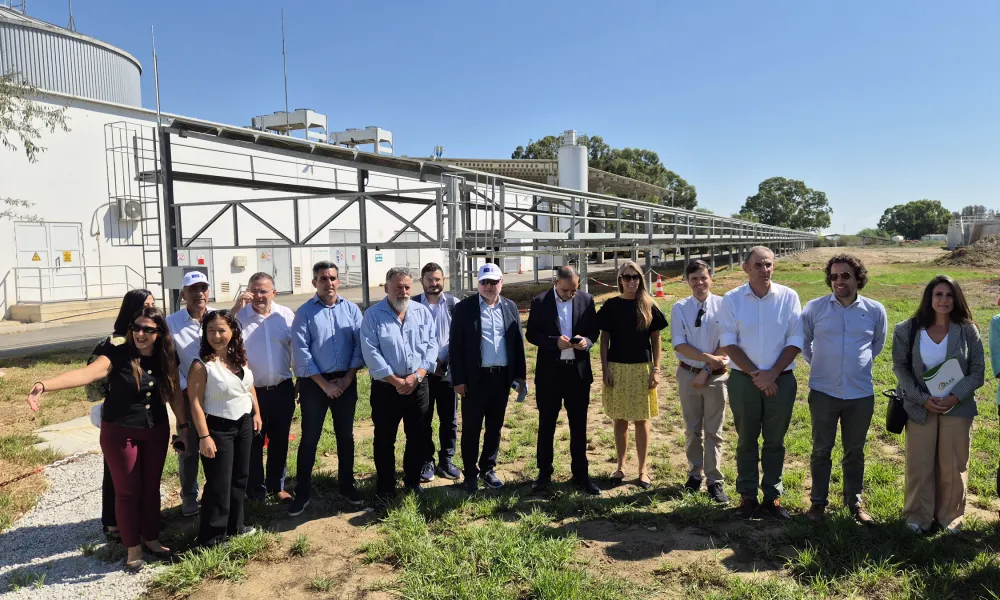

Local leaders announced on Monday the launch of the island’s first bicommunal solar power plant that will use clean energy to power the New Nicosia Wastewater Treatment Plant in Mia Millia in the north.
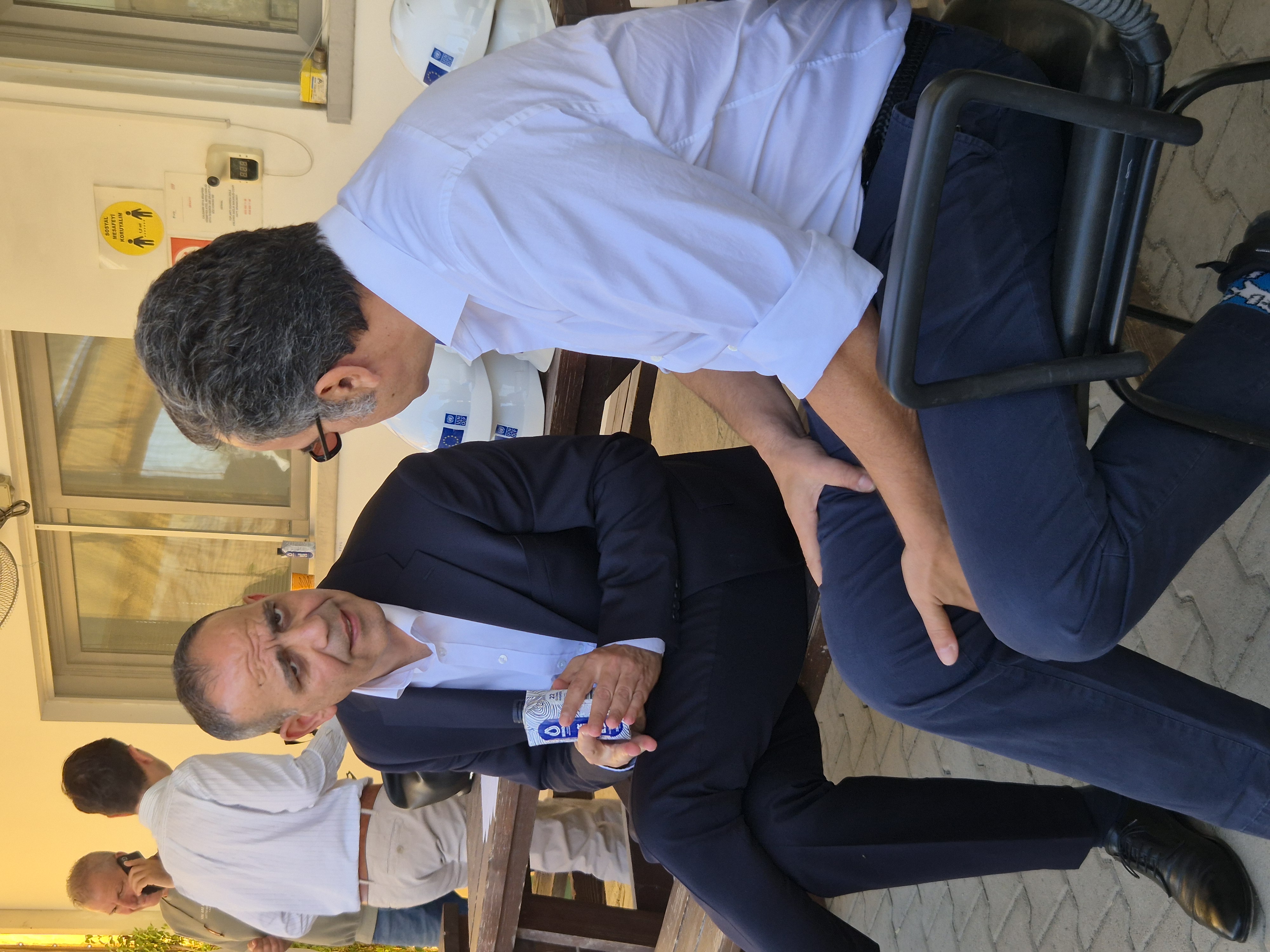
Head of the Nicosia District Local Government Organisation (EOA) Constantinos Yiorkadjis and local representative of the Turkish Cypriots in north Nicosia Mehmet Harmancı hailed the breakthrough EU-funded project that will make the treatment of Nicosia’s wastewater greener and more sustainable.
Yiorkadjis described it as a milestone for the divided island, saying it is “the first bicommunal solar power plant that also signals the first time our two communities have cooperated to produce energy together”.
The project will reduce the treatment plant’s carbon footprint, strengthen local cooperation and contribute towards the EU goal of energy neutrality in urban wastewater treatment by 2045, he added.
Thanking the EU and UNDP for their support, he noted that nothing would have been possible without teamwork.
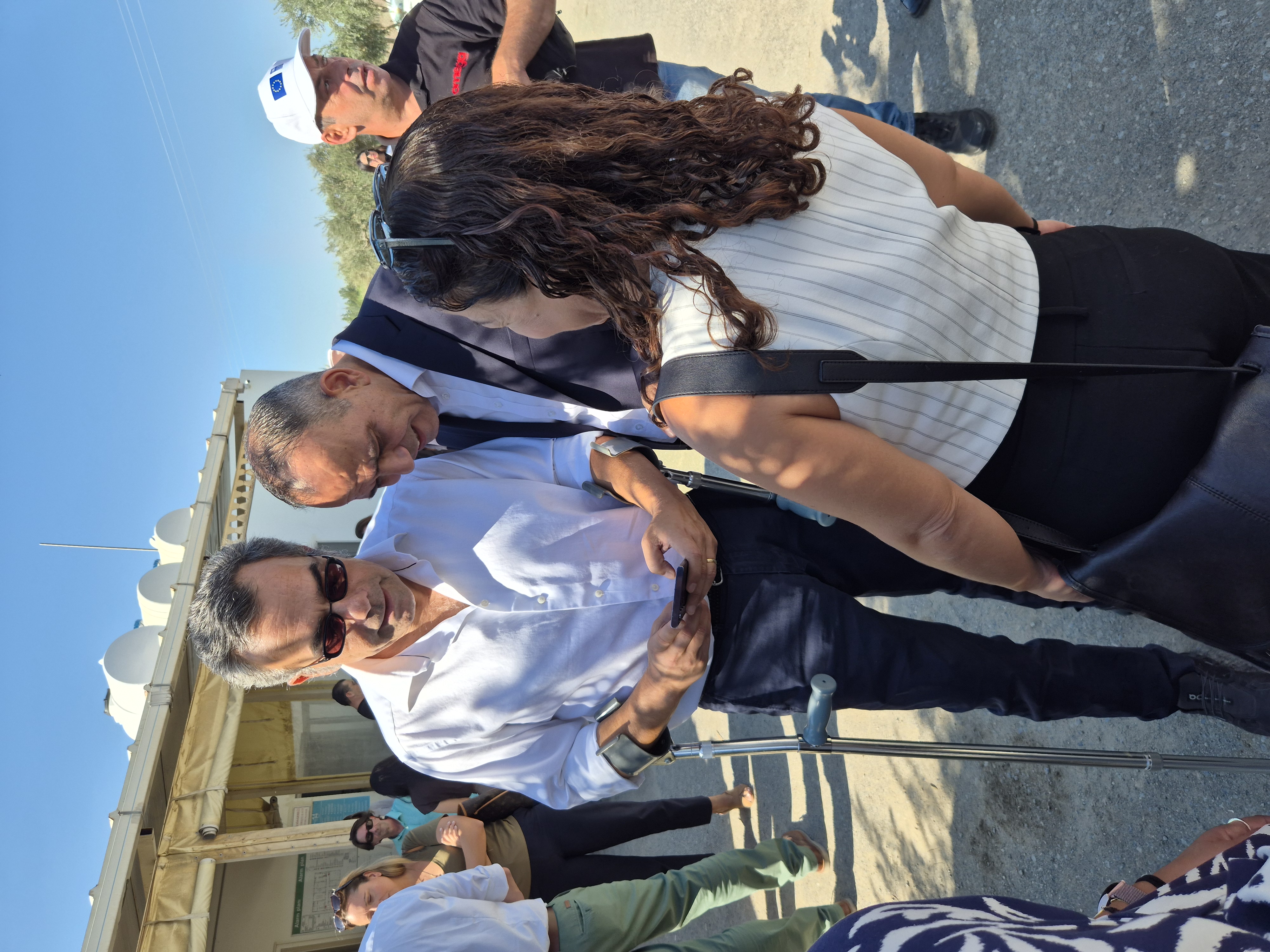
“For any idea to grow from seed to plant and then to fruit, it requires above all else, trust between all parties involved. And this has been the most important attribute of my friend, Mr Mehmet Harmancı.
“He works for the common good with a goal of a healthier environment and a greener Cyprus. […] Your professionalism, passion and dedication Mehmet, allow me to feel more confident that Cyprus has a better future ahead,” said Yiorkadjis.
For his part, Harmancı said the PV plant was a sign of the “consistent cooperation” throughout the years, which has now transformed Mia Milia into one of the most modern and environmental plants in Cyprus.
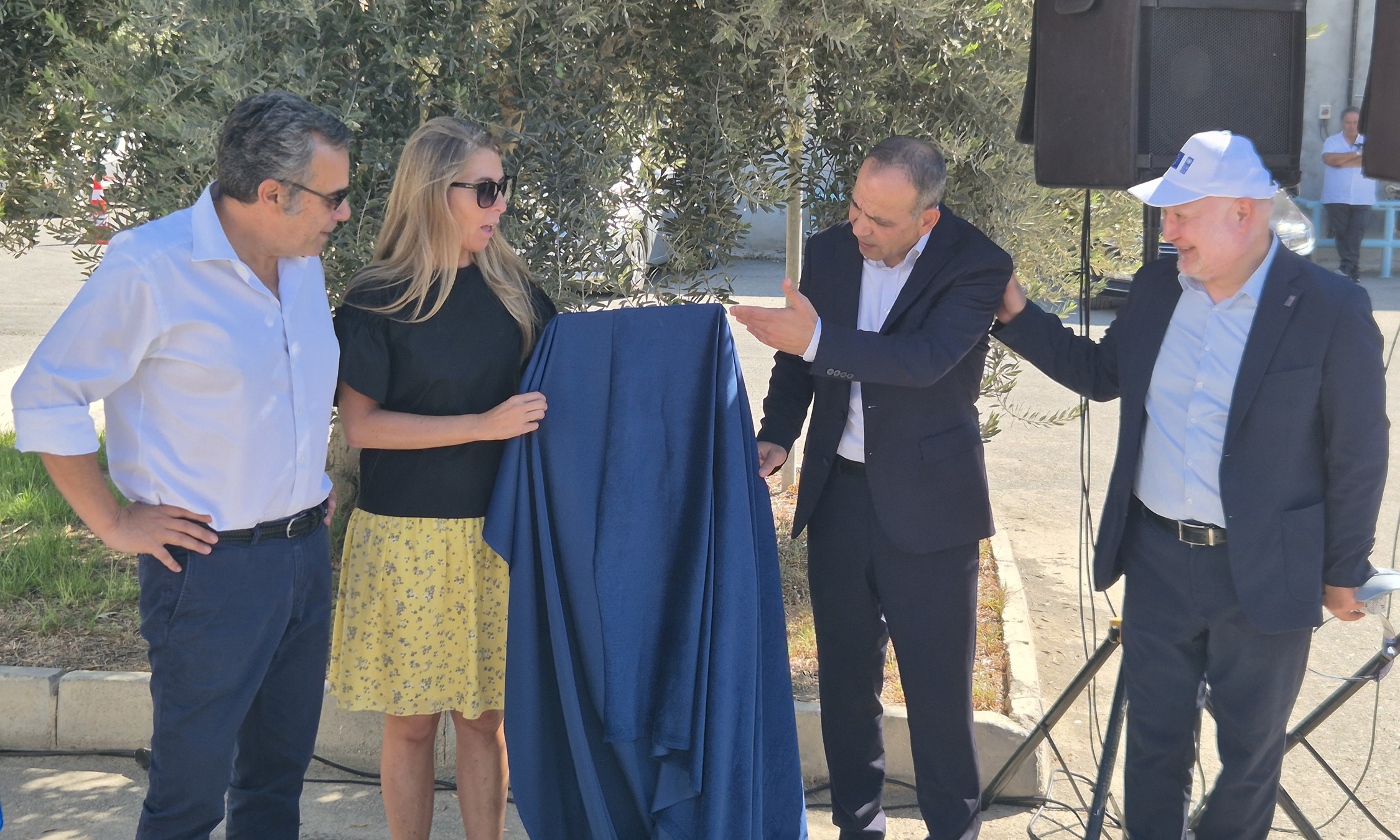
“We have one more step, delivering treated water” south of the buffer zone, he said, noting this will mark a “very special interdependent cooperation project”.
Harmancı, who faces an election challenge this December, thanked the EU, UNDP and Yiorkadjis, noting that such cooperation would not be possible “without his contribution and dedication”.
Renewables cover half energy needs
The €1.6 million photovoltaic system was connected to the electricity network in August 2026, following ten months of construction under UNDP supervision.
With a capacity of 840 kW (AC), the new installation is expected to generate around 15%-18% of the wastewater treatment plant's annual electricity consumption.
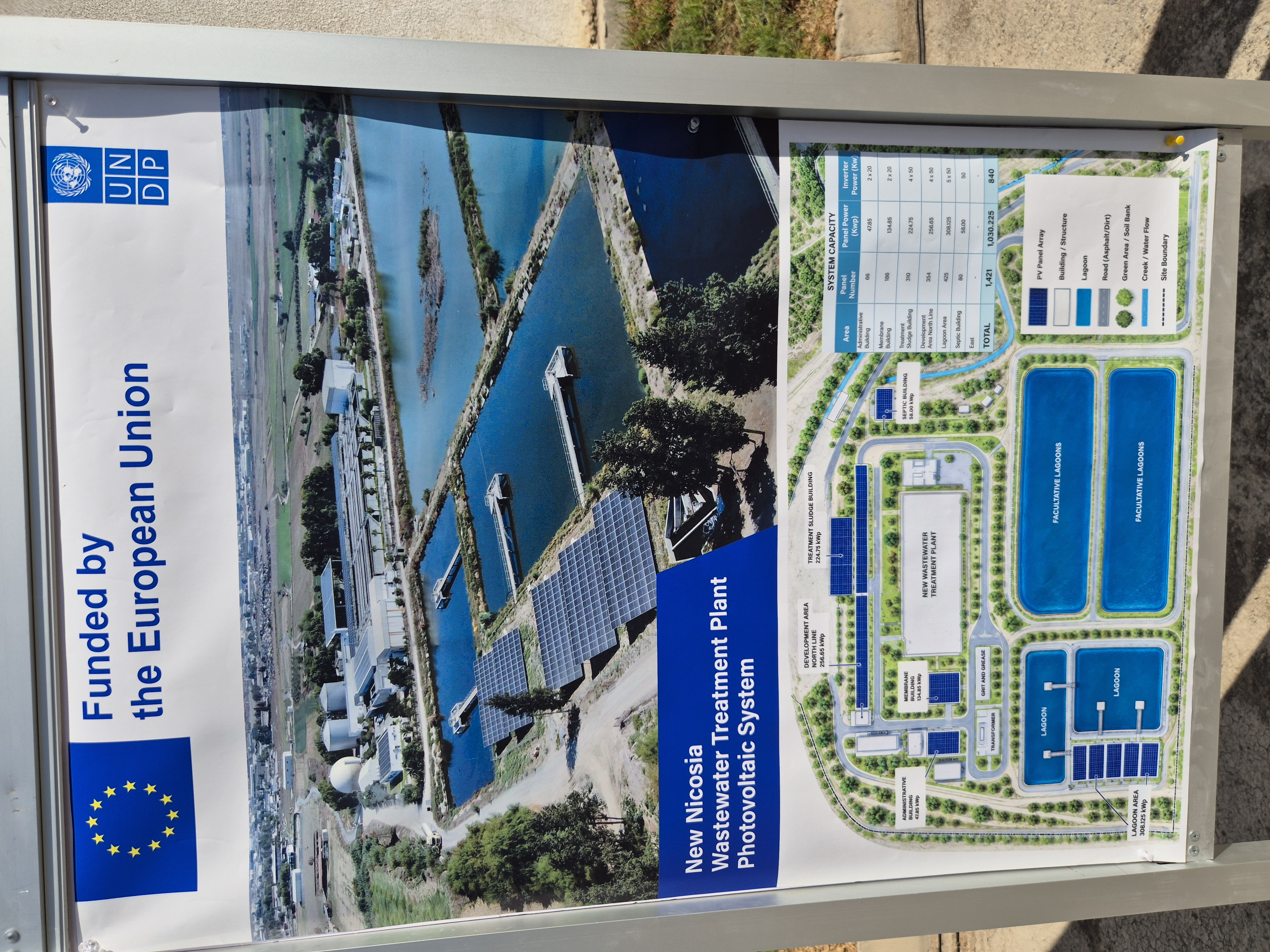
Wastewater treatment is an energy-intensive process. In addition to the 30% energy generated through biogas onsite, renewable energy will now meet almost half the plant’s electricity needs – reducing carbon dioxide emissions by approximately 830 tonnes annually.
Building on historic cooperation
Mia Milia treats wastewater from most of Nicosia on both sides of the dividing line. The plant has long been a shining example of technical cooperation between the island’s two communities.
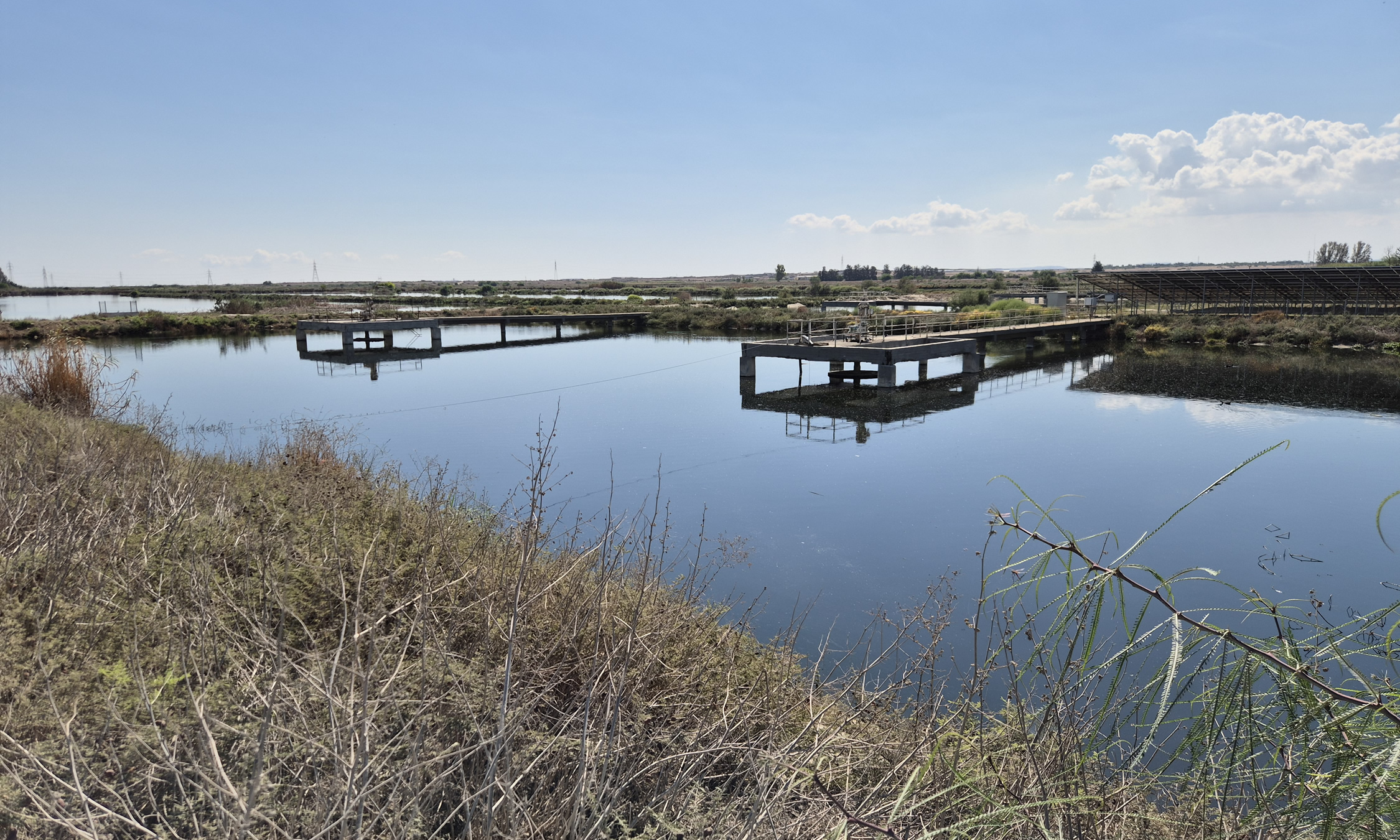
The original treatment plant started operations in 1980, following painstaking efforts by the two local Nicosia leaders at the time, Lellos Demetriades and Mustafa Akıncı. The two overcame deep mistrust from all around to get the initial project off the ground, even convincing the opposing forces to remove military posts in the old town to install sewage pipes. Some of these areas, such as Paphos Gate, were eventually opened to traffic.
The intercommunal project provided such an important service to the city's residents that no subsequent local leader on either side of the capital ever tried to end or pull back from cooperation at the local level, regardless of political persuasion.
The project also opened the way for a new form of non-political peacebuilding which attracted international support and funding to solve practical problems and improve the day-to-day lives of people.
Demetriades and Akıncı built on the success of the sewerage project to jointly develop and implement the Nicosia Master Plan, which ensured the two halves of the capital did not evolve – from an urban planning perspective – in a way that would make it difficult to become whole again.