
Archaeological discoveries at the Chalcolithic site of Chlorakas-Palloures are significantly expanding understanding of Cyprus' prehistoric past, according to findings presented by researchers from Leiden University in the Netherlands.
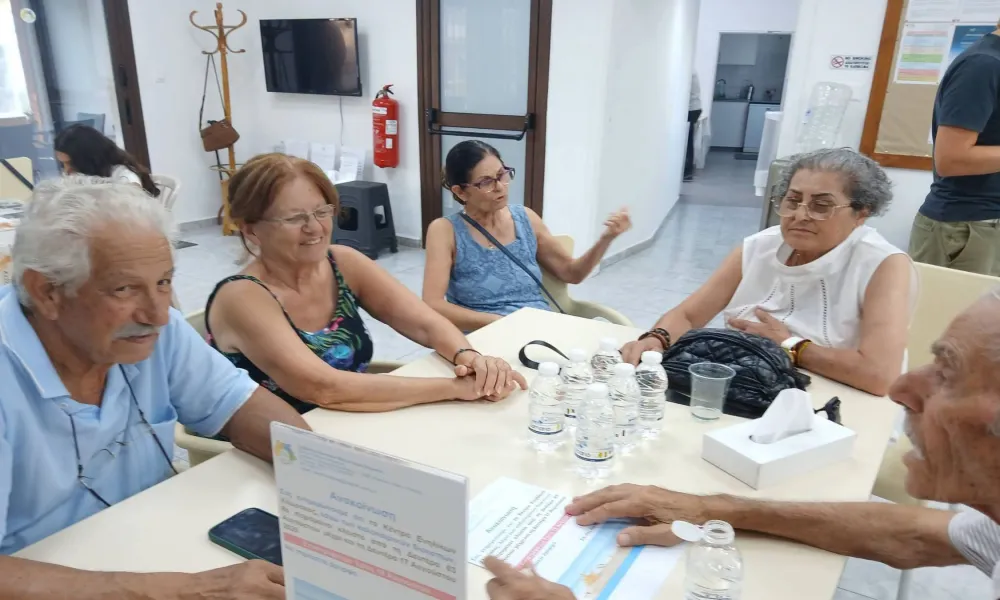
The results of ongoing excavations were presented by archaeologist Dr Maria Chatzigavriel during an event held at the Chlorakas Cultural Centre, attracting local residents and archaeology enthusiasts.
Site dates back more than 5,000 years
The site dates to the Chalcolithic Period (3500-2600 BC), a transitional era between the Neolithic Age and the Bronze Age.
This period was marked by the emergence of the first metal objects and the development of trading links with other regions of the Mediterranean.
Major discoveries
According to the presentation, excavations have revealed:
- Residential structures;
- Tombs;
- Rare metal artefacts; and
- A large number of figurines.
Researchers said the finds are providing valuable information about the culture, social organisation and daily lives of the island's prehistoric inhabitants.
Excavations ongoing since 2015
A Leiden University archaeological mission has been excavating the site since 2015, following an invitation from Cyprus' Department of Antiquities.
Dr Chatzigavriel said the project's main objectives include:
- Understanding the development of Chalcolithic communities;
- Investigating the transition from the Middle to the Late Chalcolithic Period; and
- Documenting the layout and organisation of the settlement during the Late Chalcolithic era.
Engaging the next generation
Children also took part in the event through educational and hands-on activities designed to introduce them to archaeology and local cultural heritage.
Andreas Kyriakou, president of the Chlorakas Cultural and Environmental Association, welcomed the initiative, saying that promoting the history and archaeological wealth of Chlorakas represents an investment in future generations.
Source: CNA