Three months into Cyprus's foot-and-mouth disease crisis, a third round of talks between the Ministry of Agriculture, livestock farmers, and agricultural organisations on Monday ended much as the previous two did: with no significant new developments and positions largely unchanged. The meeting, held at the Veterinary Services offices and chaired by Veterinary Services director Christodoulos Pipis, lasted approximately two hours.
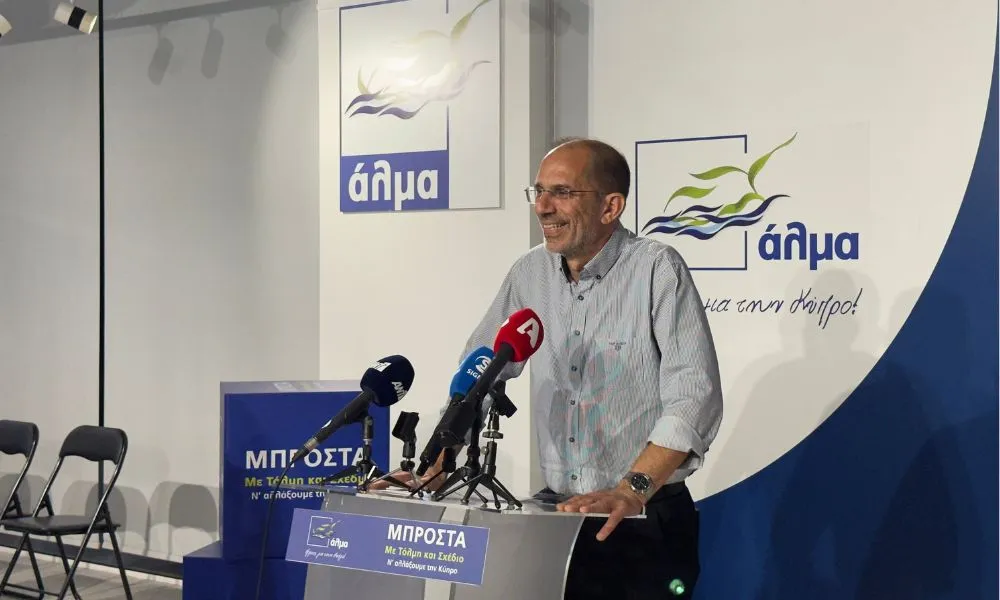
Agricultural organisations left the session with little to show for it. Michalis Lytras, honorary president of the Pancyprian Farmers Union (PEK), told Politis that the same ground was covered once again, with Veterinary Services repeating their explanation of what the EU's foot-and-mouth disease protocol permits and prohibits. The atmosphere was calm, Lytras noted, precisely because there was nothing substantive enough to disagree about. Further meetings are expected to follow.
Both agricultural organisations and the farmers' group "The Voice of Livestock Farmers" raised a range of demands, including an end to mass culling and relaxations on restrictions such as those governing the movement of hay, said Kyriakos Kailas, president of Panagrotic.
The EU dimension
The organisations announced at the meeting that they intend to request an audience with President Nikos Christodoulidis, arguing that the crisis has a political dimension that goes beyond the technical remit of these sessions. Kailas said the key political question is how the European Union is involved in managing the disease in the north. Lytras elaborated: the organisations want Christodoulidis to take action and make representations to the EU so that it can audit how the approximately €12 million it allocates annually to Turkish Cypriots for disease control is actually being used. He argued that Turkish Cypriots cannot object to being audited by an EU representative given that they receive EU funds, and that this is not a matter Veterinary Services can resolve on their own.
Last week, after foot-and-mouth disease was confirmed at a sheep and goat farm in Pachna in Limassol district, bringing the outbreak close to Paphos, the organisations wrote to Christodoulidis calling on him to renew Cyprus's request to the European Commission for an exemption from the EU protocol on mass culling. They also called on him to file a complaint against EU Commissioner for Animal Health Oliver Varhelyi for applying double standards, both in overseeing EU funds allocated to the occupied territories and in managing the foot-and-mouth crisis in the Republic of Cyprus. Varhelyi visited Cyprus twice between 20 February and 13 March, and on both occasions made clear to farmers that no deviation from EU directives on culling would be granted.
The scale of the outbreak
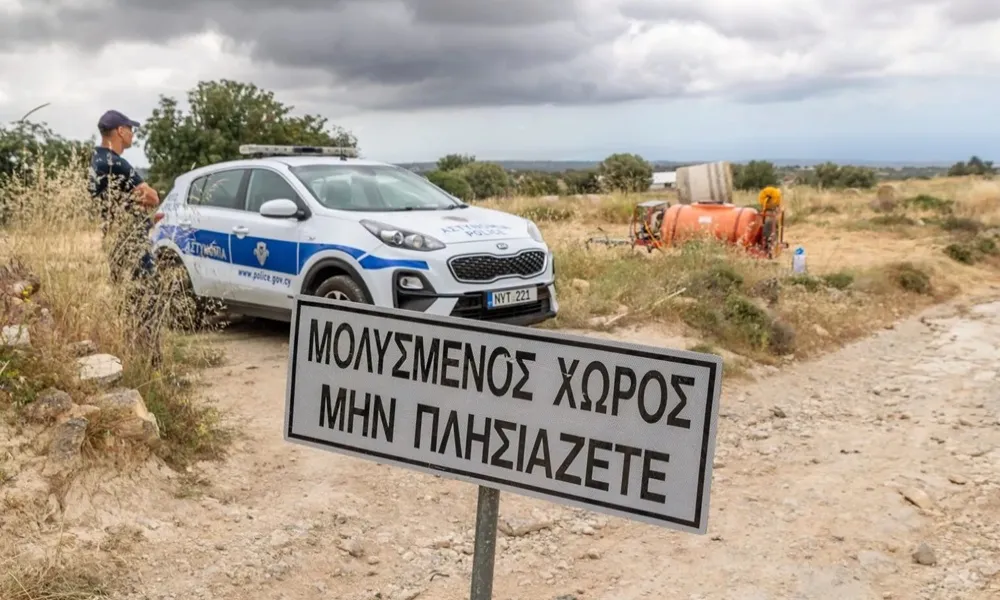
The crisis, which began in late February, has now spread beyond its original boundaries in Larnaca and Nicosia districts. Last week it reached Limassol district for the first time, with a case confirmed at a farm in Pachna, a village in close proximity to Paphos, one of two districts previously considered unaffected. Veterinary Services have ordered repeat sampling at the Pachna farm and the Ministry of Agriculture has said that, at this stage, no culling will take place there.
Across the island, 117 infected units have been identified, of which 100 are sheep and goat farms. Of those, 73 are in Larnaca, 26 in Nicosia, and one in Limassol. A further 14 cattle units, split between Larnaca and Nicosia, and three pig farms in western Nicosia are also affected. In total, 71,000 animals have been culled: approximately 43,000 sheep and goats, 3,000 cattle, and more than 24,000 pigs. The animals destroyed represent 11% of Cyprus's total adult sheep and goat population, 3.5% of cattle, and close to 8% of pigs.