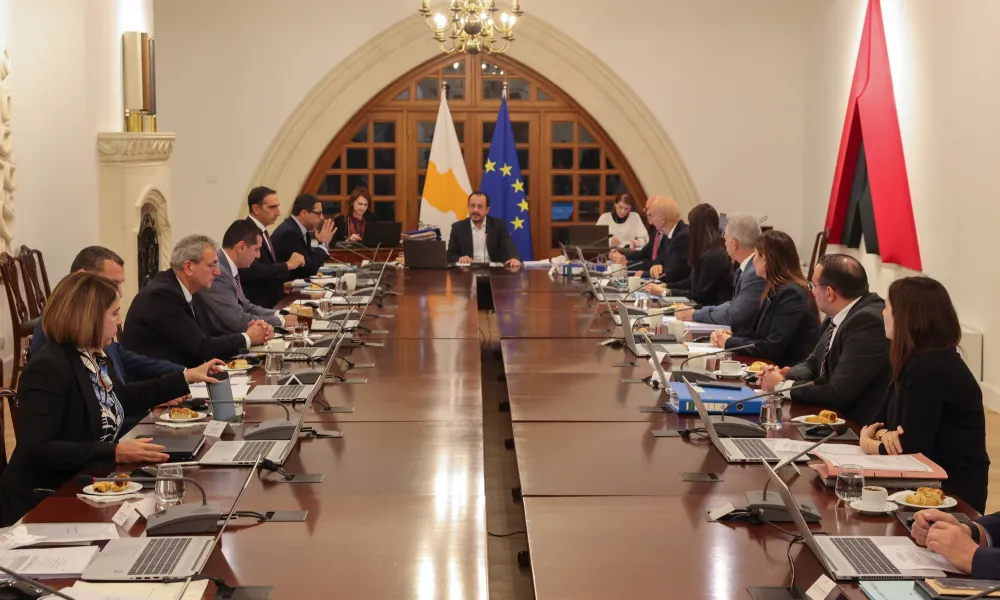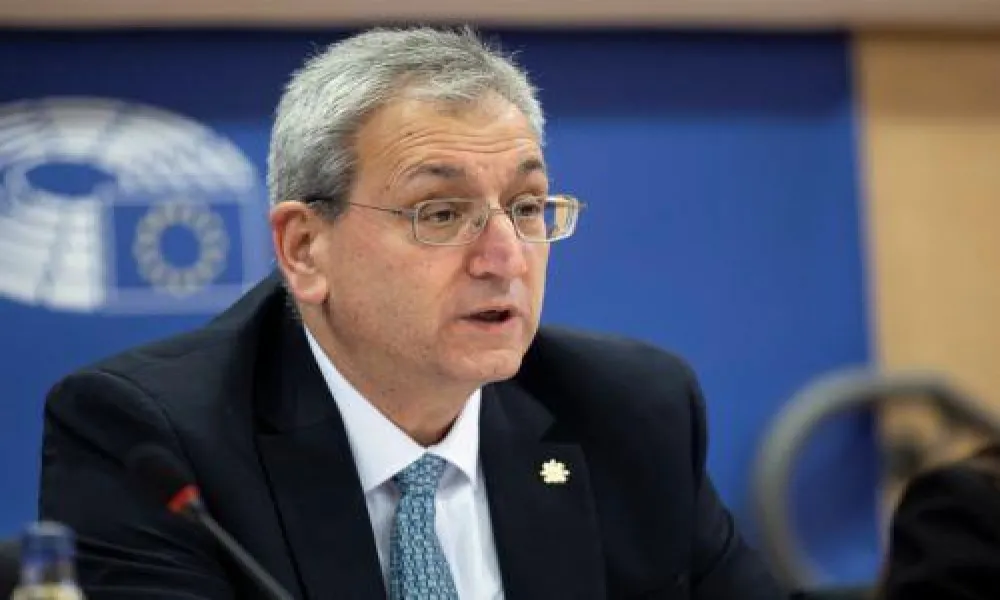
Cyprus has reduced undeclared work from 15% in 2016 to 5% in 2026, Labour and Social Insurance Minister Marinos Mousiouttas announced on Tuesday, presenting a decade of results at a two-day conference in Larnaca co-organised by the Ministry and the European Labour Authority. The conference, themed "Tackling Undeclared Work and Promoting Fair Labour Mobility in Europe," marks the tenth anniversary of the European Platform Undeclared Work.
Mousiouttas described it as "a great honour" for Cyprus to host the gathering, calling the Platform "a pioneering initiative that reflects our shared European commitment to fair labour markets and the protection of workers' rights across the European Union." He noted that Cyprus has been a consistent and active supporter of the Platform since its establishment in 2016, participating in its meetings, joint actions and policy exchanges throughout.
A decade of European cooperation
Over the past ten years, Mousiouttas said, the Platform has evolved into a key European mechanism for strengthening cooperation between national authorities and enabling more effective cross-border action against undeclared work. He described the phenomenon as "a complex challenge that undermines workers' rights, distorts fair competition and deprives national economies of significant revenue," adding that it also erodes trust in institutions and threatens the principles of fairness and equality at the core of the European social model. Tackling it, he said, is "not only an economic necessity but also a matter of social justice and institutional responsibility."
Cyprus, he said, made full use of the Platform's tools and cooperation mechanisms, including hosting two actions under the Mutual Learning Programme between 2018 and 2024. These proved particularly valuable in supporting the further development of Cyprus' Labour Inspection system during a critical phase of institutional strengthening, contributing to the development of technical expertise, greater institutional capacity and more structured and effective inspection procedures. Cyprus has also participated in joint inspections both domestically and in cooperation with other member states, with tangible results in terms of operational expertise and cross-border cooperation.
Social security coordination deal secured
Mousiouttas also highlighted with particular satisfaction the achievement of the Cyprus Presidency in reaching agreement with the European Parliament, after ten years of negotiations, on the revision of the regulation on the coordination of social security systems, and in securing the approval of member states. He described this as "an important step forward in ensuring that every worker moving within the European Union is protected and treated fairly," noting its concrete impact on the rights and social protection of mobile workers, greater legal clarity, and the modernisation of the framework governing long-term care benefits, family benefits and unemployment allowances.
Looking ahead, Mousiouttas reaffirmed Cyprus' commitment to the Platform's work within the European Labour Authority. "We will continue to invest in cooperation, knowledge-sharing and coordinated action, with the shared goal of promoting fair working conditions and protecting workers across Europe," he said.
Source: CNA