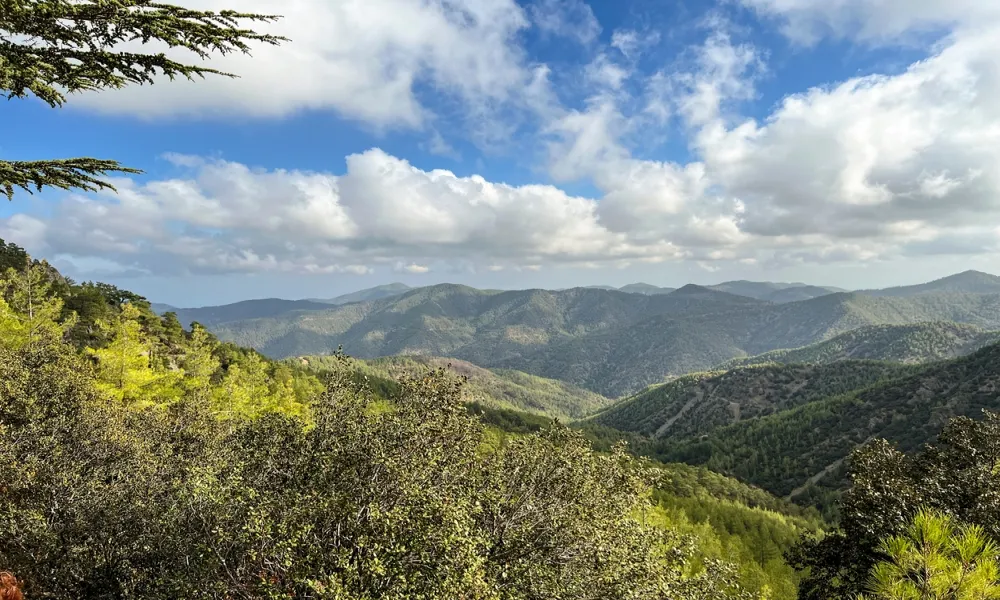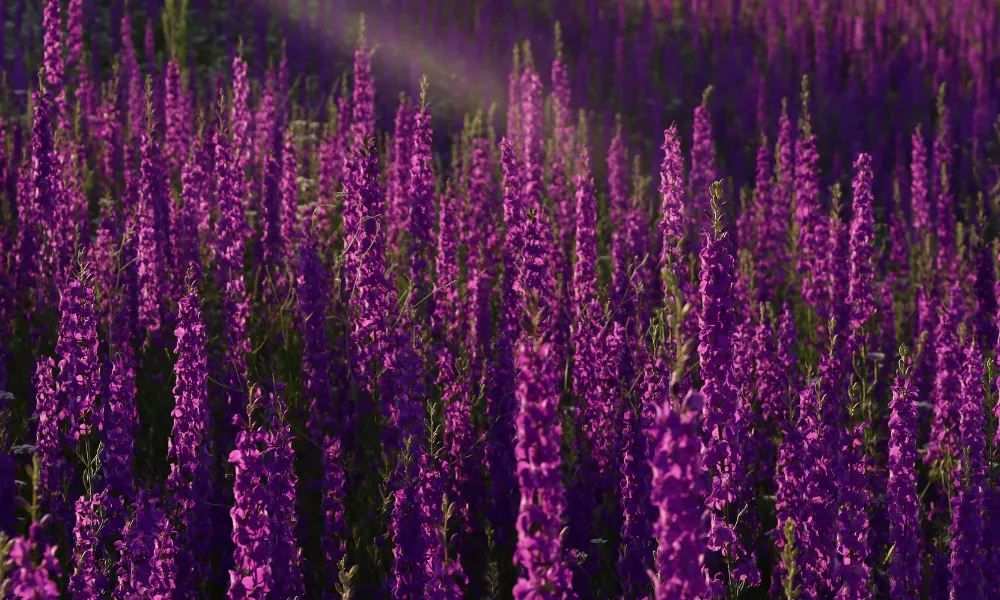

Flower tourism is emerging as one of the most captivating travel trends in recent years, with travellers planning entire trips around seasonal blooms. While destinations famous for cherry blossoms and tulip fields remain popular, increasing crowds and climate pressures are pushing visitors to discover lesser-known landscapes that burst into colour for only a few weeks each year.
Across the world, several remarkable places offer unforgettable flower spectacles in 2026.
Namaqualand, South Africa and Namibia
One of the most extraordinary natural displays occurs in Namaqualand, a semi-arid region stretching along the west coast of South Africa and Namibia.
Between August and September, the landscape experiences a rare “blooming desert” phenomenon. More than 3,500 species of wildflowers appear across the region, including around 1,000 that are found nowhere else on Earth. The famous Namaqualand daisies create vast carpets of white, purple and orange across valleys and plains.
Visitors can explore the bloom through hiking routes in Namaqua National Park, follow dedicated wildflower drives or venture further to the Atlantic coast, quiver tree forests and the Orange River for rafting and stargazing.
Jerte Valley, Spain
Travellers seeking cherry blossoms outside Japan often head to Jerte Valley in western Spain.
Each spring, around 1.5 to two million cherry trees bloom simultaneously, turning the hills of the Cáceres region into a sea of white blossoms. The spectacle usually lasts around ten days between late March and early April.
Unlike Japan’s blossoms, these flowers signal the upcoming harvest of picota cherries. The season is celebrated with the Fiesta del Cerezo en Flor, where visitors enjoy music, theatre, local cuisine and guided walks through the valley’s historic villages.
Valley Of Flowers, India
High in the Himalayas lies the breathtaking Valley of Flowers National Park, a UNESCO World Heritage Site in Uttarakhand, India.
Located within the Nanda Devi Biosphere Reserve, the valley transforms between June and September as more than 600 species of alpine flowers bloom in shifting colours across the landscape.
Rare plants such as the Himalayan blue poppy and the sacred Brahma Kamal grow here, alongside orchids, primulas and daisies. The park is also home to endangered wildlife including the snow leopard, Asiatic black bear and musk deer.
Trekkers often begin their journey from Govindghat, while culture-focused travellers visit the nearby Sikh pilgrimage site of Hemkund Sahib.
Lake Tekapo, New Zealand
Another striking bloom can be found at Lake Tekapo on the South Island of New Zealand.
The turquoise glacial lake is surrounded by fields of vibrant Russell lupins that bloom from mid-November to December. Pink, blue and purple flowers create a dramatic contrast against snow-covered mountains and the brilliant water of the Mackenzie Basin.
The area around the Church of the Good Shepherd is particularly photogenic, while the region is also renowned for its exceptionally clear night skies, making it ideal for combining flower tourism with stargazing.
Muker Meadows, United Kingdom
For a quieter flower experience, travellers can explore Muker Meadows in the Yorkshire Dales of United Kingdom.
These traditional upland hay meadows bloom between mid-June and early July and are among the most biodiverse grasslands in Britain. As a Site of Special Scientific Interest and a Coronation Meadow, the area hosts rare species including wood crane’s-bill, yellow-rattle and melancholy thistle.
The meadows are dotted with historic stone barns and dry-stone walls, offering a quintessential English countryside landscape ideal for walking, picnics and photography.
A growing travel trend
As overtourism increasingly affects famous bloom destinations such as Japan’s cherry blossom parks and Dutch tulip fields, travellers are seeking alternatives that combine spectacular natural displays with quieter landscapes.
Flower tourism offers precisely that: a fleeting, seasonal spectacle that transforms entire regions into living canvases of colour.
Source: Euronews