
Another year, another UN General Assembly, and another article on the prospects of a meeting that may lead to a larger meeting that could open the door to many more meetings on the Cyprus issue.
Without any disrespect to the thousands of people affected by the island’s ongoing division, the situation at present regarding the effort to heal a wound over half a century old is looking less than favourable.
At the time of writing on Friday evening, it had transpired that President Nikos Christodoulides’ hopes of holding a trilateral meeting with the UN chief and Turkish Cypriot leader in New York had crashed and burned.
He first raised the prospect of another trilateral with António Guterres and Tufan Erhürman on 9 September. A week later, Guterres shot it down, saying there was much work still to do before convening a three-party or five-party meeting.
The next day, in his last meeting with Erhürman before heading to New York, Christodoulides said he tabled 19 “new ideas” or approaches to confidence-building measures (CBMs), methodology and substance. He hoped this would create some momentum in New York, and offered to stay longer in the ‘Big Apple’ if it meant securing a new meeting on the Cyprus issue.
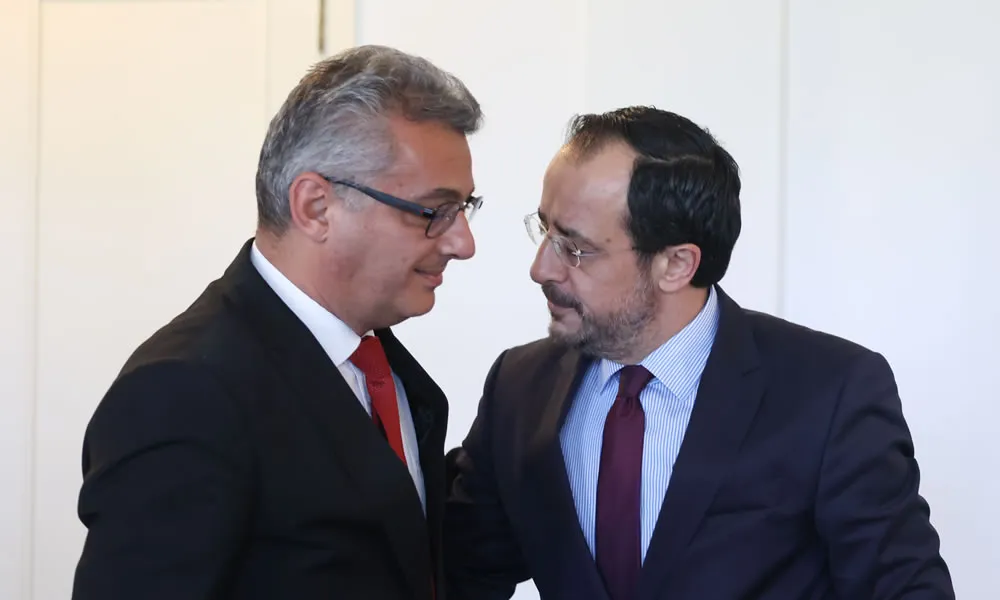
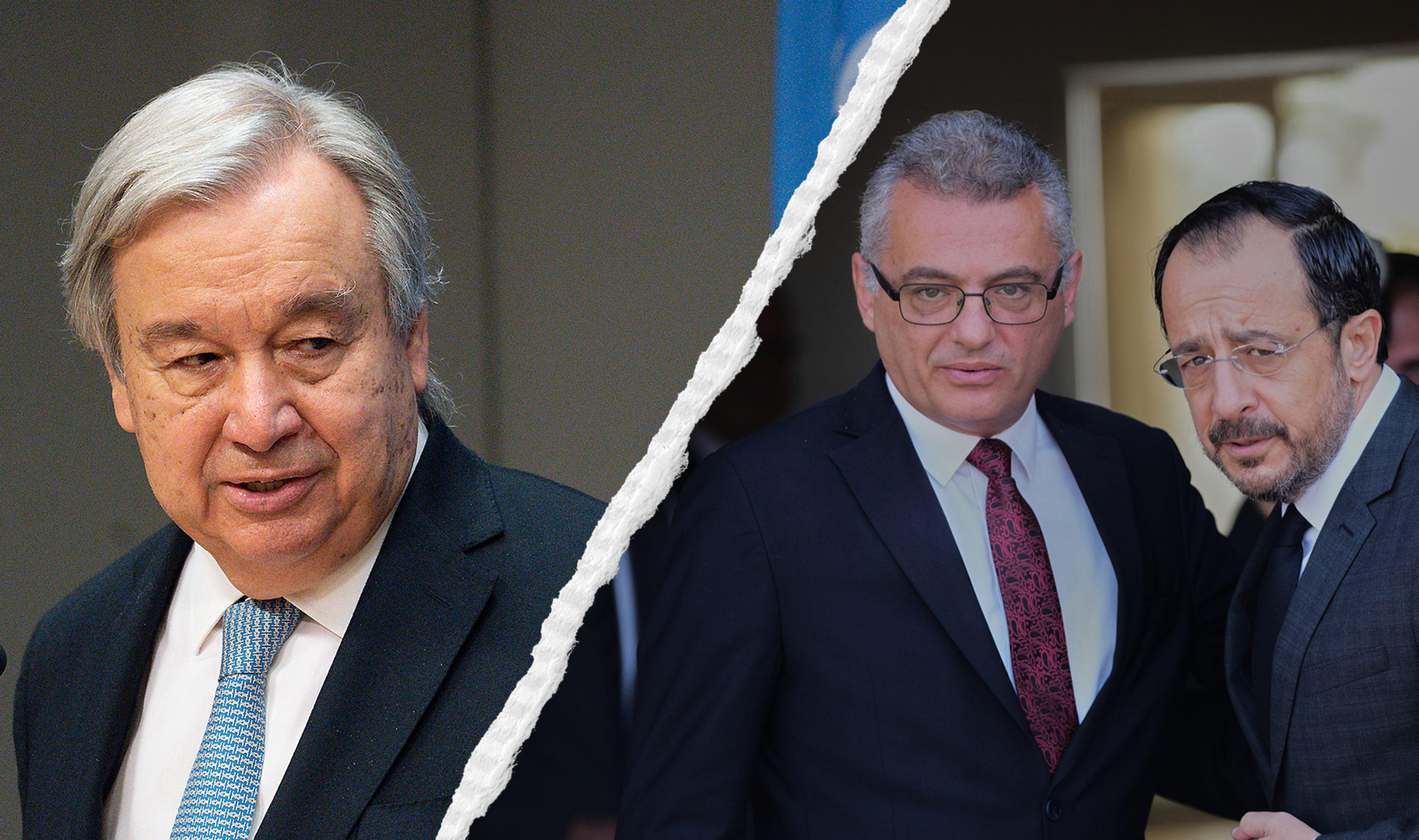
Christodoulides-Guterres-Erhürman
On Thursday, the president met with the Secretary-General for 15 minutes, after which the UN said the two men “discussed the way forward on the Cyprus issue”.
For his part, Christodoulides said Guterres received his “new ideas” in a “very positive manner”. He said the UN chief was committed to finding ways to push forward on Cyprus, adding that a key part of that effort involved Christodoulides’ strategy of getting the EU more actively involved.
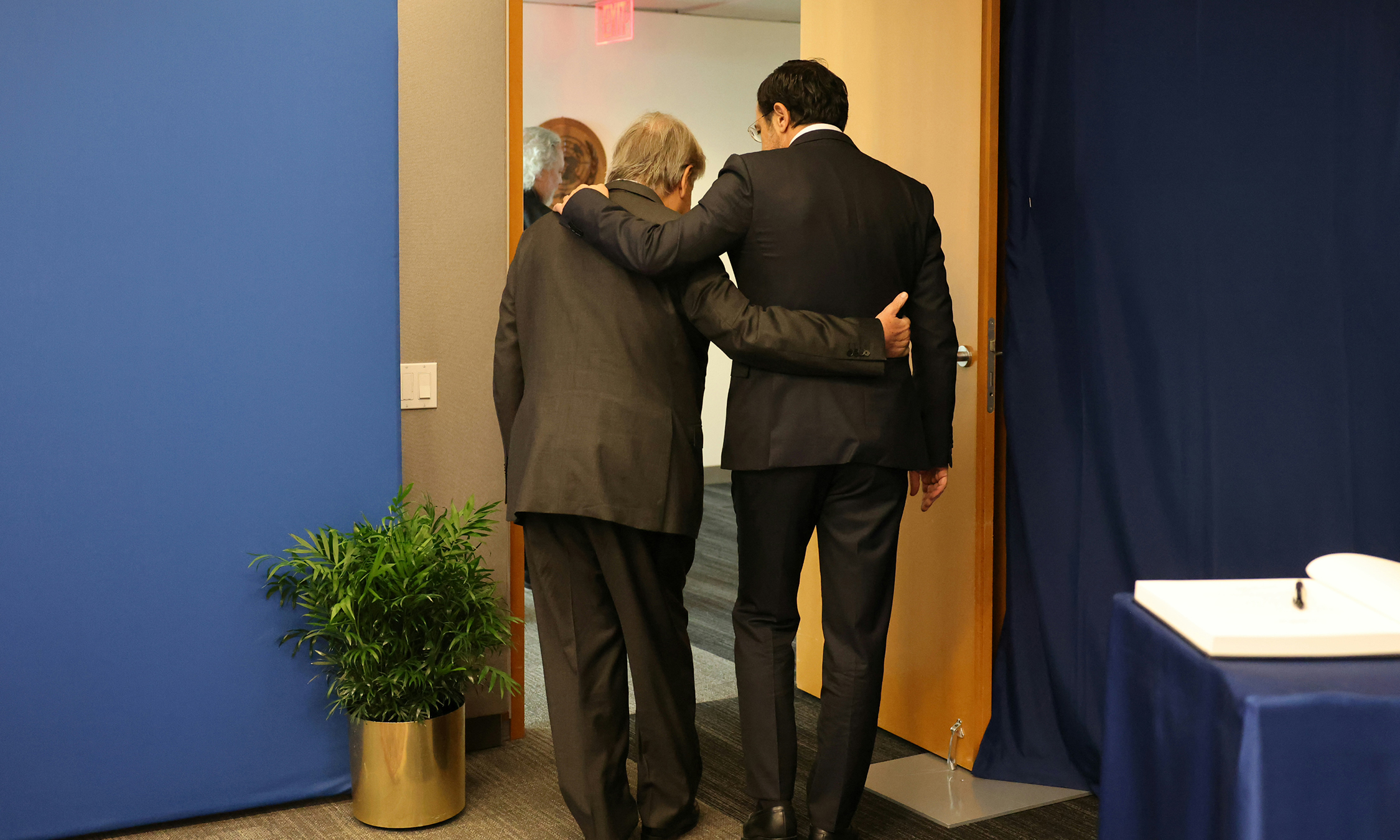
The president suggested Guterres was considering a trilateral in New York – despite the UN chief ruling it out the week before – and would inform him accordingly, assuming the other side responded positively.
By Friday night however, government sources said Christodoulides would return to Cyprus as scheduled as there would be no trilateral meeting between the two leaders and UN Secretary-General. The source said Erhürman did not agree to a trilateral despite the SG's wish for such a meeting.
A Turkish Cypriot source neither confirmed nor denied that Erhürman was asked to attend a trilateral and turned it down. The source reminded that the Secretary-General had already made it clear before the visit that there would be no trilateral or 5+1 on the margins of the UNGA as there was still a lot of work to be done.
Another source suggested there was never any intention to hold a trilateral in New York as the sides did not bring anything new to the table.
Erhürman was expected to meet with António Guterres for a bilateral meeting on Saturday, 8pm Cyprus time, while Christodoulides will return to Cyprus on Sunday.
Tactics and strategy
The latest ‘developments’ raise a number of questions on both tactics and strategy.
What would a new trilateral with Guterres have achieved, considering the last one on 29 July produced little to write home about? The Secretary-General flew to Cyprus on his way back to New York from Syria in the hope that his presence would jolt the leaders into action. He left disappointed.
In the two-month intervening period since then, the leaders met three times. Why did Christodoulides wait until the last meeting before New York to table 19 “new ideas” that might get the sides out of the stalemate?
And why did he consistently raise the prospect of a trilateral if Guterres made it clear - on 29 July and again on 16 September - that without progress in the leaders' meetings, there would be no bigger meetings?
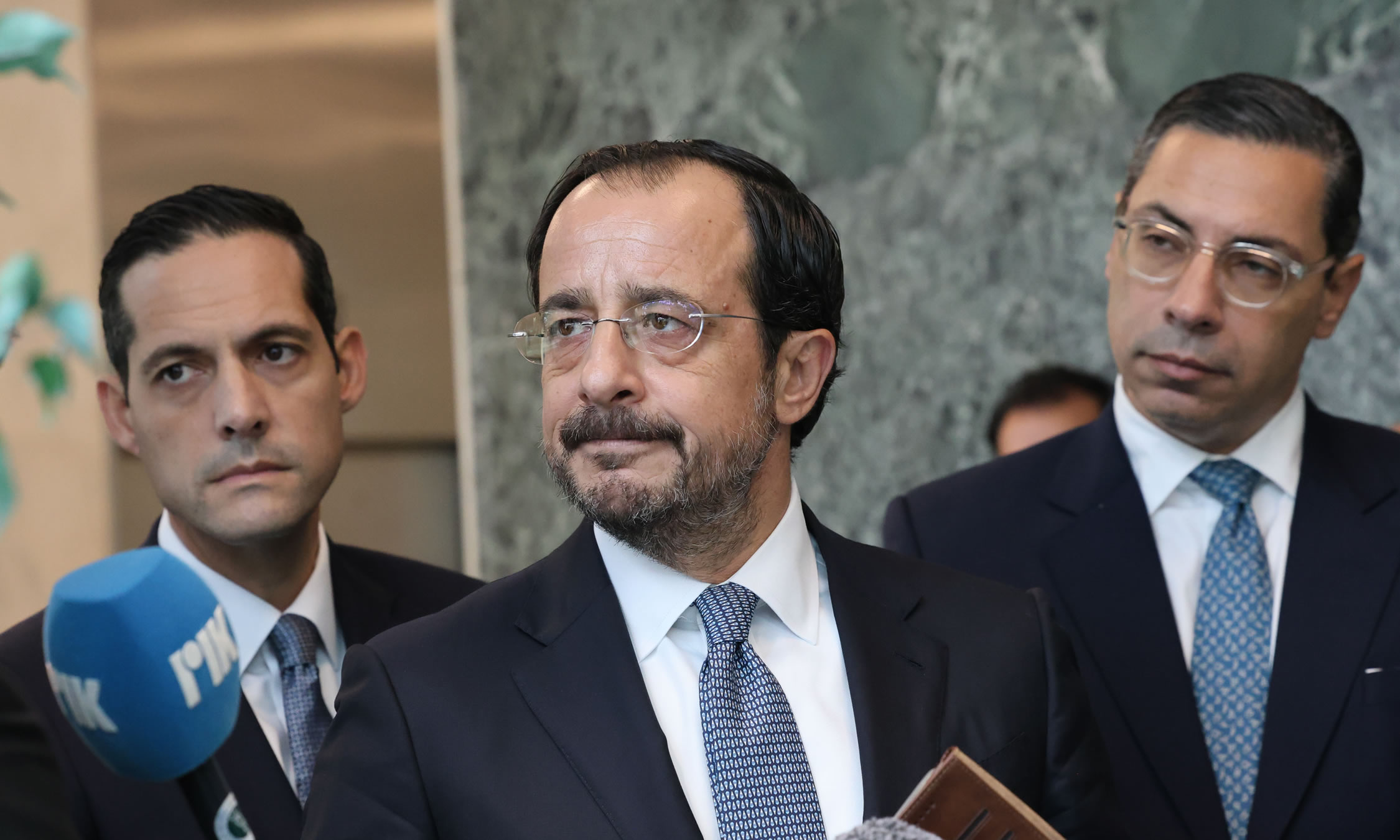
If the president believes Erhürman is blocking progress, can he find other unilateral means to bring the Turkish Cypriots closer, increasing genuine hope in reconciliation and reunification, while in turn applying pressure on the Turkish Cypriot leadership to take steps forward?
In the same vein, if Christodoulides believes Ankara is blocking progress, would bringing the Turkish Cypriots closer – as opposed to the long-term strategy of pushing them towards Ankara – in a manner that respects the Cyprus Republic’s red lines, help loosen Turkey’s grip on the breakaway entity and build pressure on it to be more constructive?
Given that Turkey’s official policy remains to push for recognition of the breakaway entity and the Turkish Cypriots’ “sovereign equality and equal international status,” why is the international focus and expectation almost exclusively on the Cypriot leaders’ actions? Does that suggest the onus of proving political will is on the two sides of Nicosia, rather than elsewhere?
Also, what is really happening with the EU-Turkey track? On paper, it makes sense, but in practice, how likely is it to bear fruit?
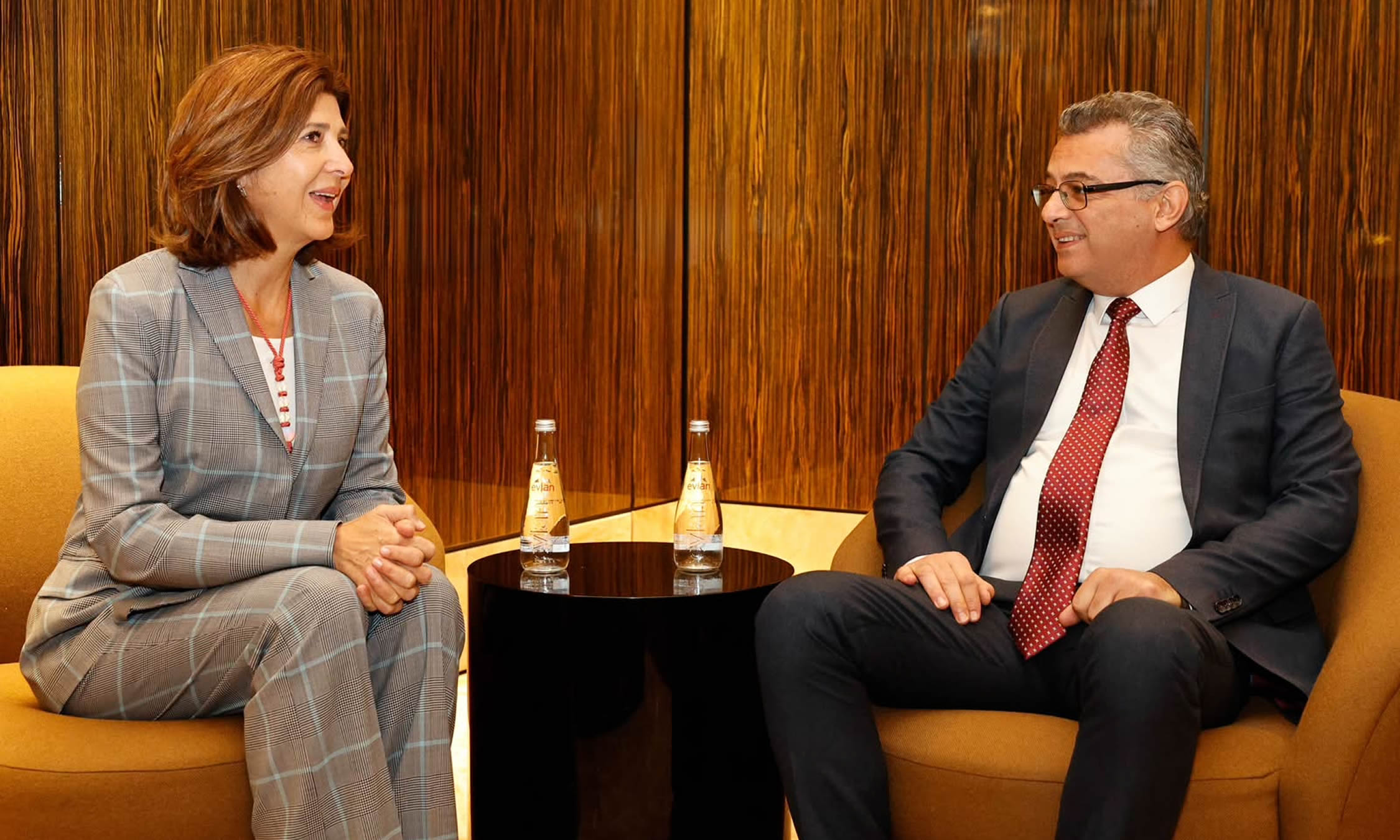
If Erhürman believes Christodoulides and/or Ankara is blocking progress, can he find other unilateral means, gestures, practical measures, to close the gap with Greek Cypriots? Ersin Tatar’s positions were clear throughout his five years in power. Erhürman’s vision for the island as a whole is less so. He also seeks acceptance of a rotating presidency – from the outset. Despite thoughts to the contrary, the only way that can come about is through acceptance in simultaneous referendums.
If the leaders are seriously considering bringing the division to an end in a manner acceptable to both communities, there is much each can do to prepare for a reunified Cyprus that they are not doing.
Micro view
During the week, the two Cypriot negotiators met jointly with UN Personal Envoy María Ángela Holguín and UN Under-Secretary-General Rosemary DiCarlo, conducting an overview of the state of play on CBMs.
According to sources, the sides have reached a new stumbling block over crossing points. Whereas previously the major obstacle was the Athienou-Pyroi-Aglandjia route, the issue now seems to be more one of balance and reciprocity. When is a crossing a crossing and how many can they open at the same time?
Assuming no change there, that leaves a list of other ‘smaller’ CBMs that the sides can come closer on. Should they manage to converge on a series of lower-level trust-building measures, that would mark an opening for more steps forward across the board.
Macro view
The next objective would be to pull all the right levers for a 5+1 to be held before Guterres and Holguín leave their posts. One that achieves tangible results – mainly an agreement on the basis to relaunch peace talks after more than nine years without.
That requires, in addition to adequate CBMs, progress on issues of substance and methodology. While the president continues to refer to the EU-Turkey track, there is no evidence at present that this is going anywhere.
Meanwhile, the UN exercise to compile a ‘convergences document’, which was meant to be helpful to the cause, is proving a little troublesome.
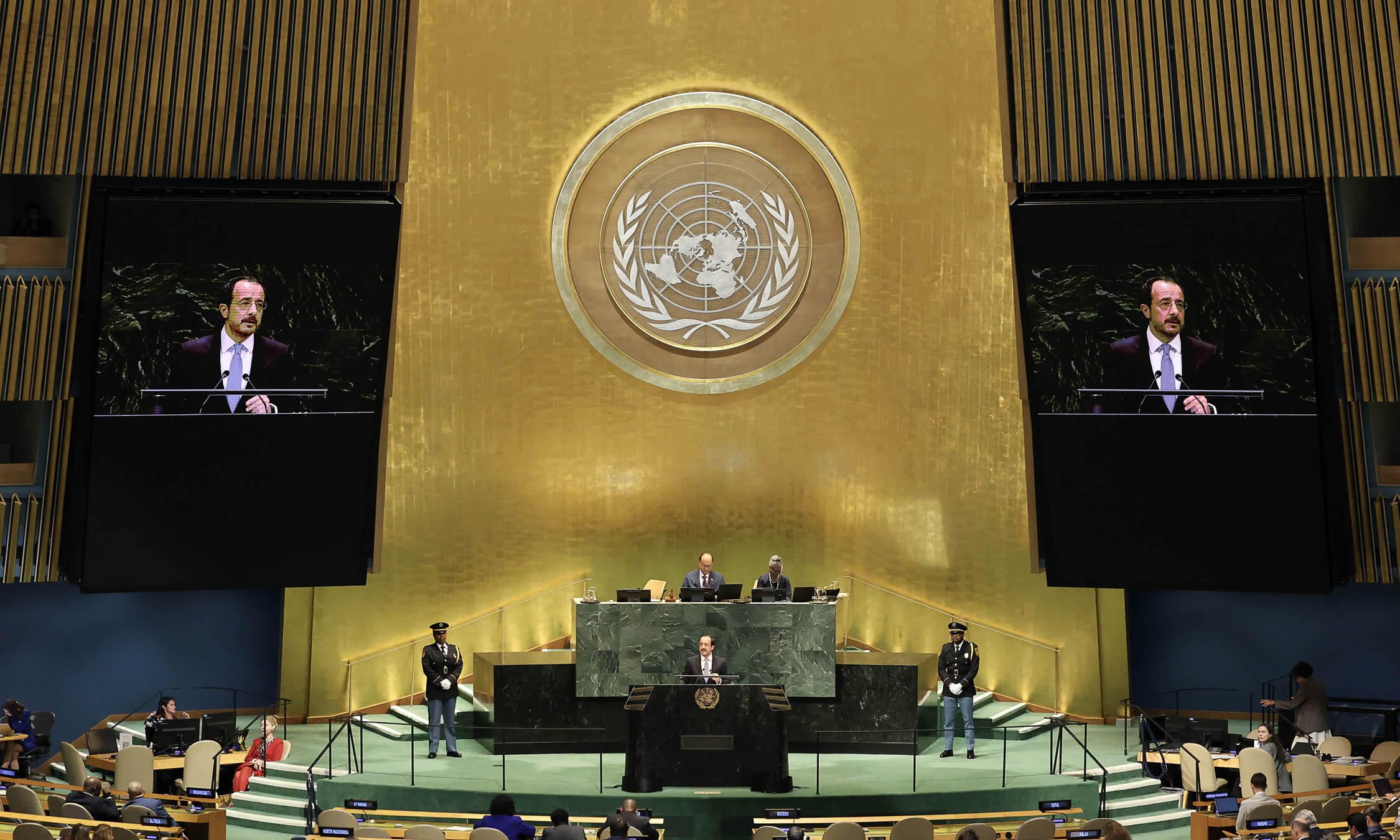
Although both sides want to agree on past convergences, they have adopted diverging approaches to the ‘convergences document’ – in terms of its desired content, when it should be delivered and under what terms.
The UN is currently working on compiling the convergences, near convergences and divergences, as recorded in the joint documents prepared by the two sides, covering the period 2015 to early 2017.
The remainder of the body of work of the peace process, including up to the final hour at Crans-Montana, is considered part of the negotiating acquis. It includes discussion documents and position papers of all parties but cannot be considered air-tight, mutually agreed convergences or divergences on the key issues.
Next steps
Where does that leave the effort to restart peace talks?
The UN is waiting for the two sides to reach a common understanding on what to do with the ‘convergences document’. It is not going to force it down their throats. Its goal is to facilitate a conducive environment for negotiations to reach a positive conclusion.
Assuming the sides agree on the document, they will then have a ready-made shared list of convergences, which they can mutually agree to change, and divergences that they will need to close the gap on at some point after talks start.
However, the more immediate focus of any new negotiations will likely be similar to what it was at Crans-Montana in 2017. That is, an effort to reach a strategic agreement as laid out by the Secretary-General in his framework.
But let’s not get ahead of ourselves. There’s work to be done yet.