
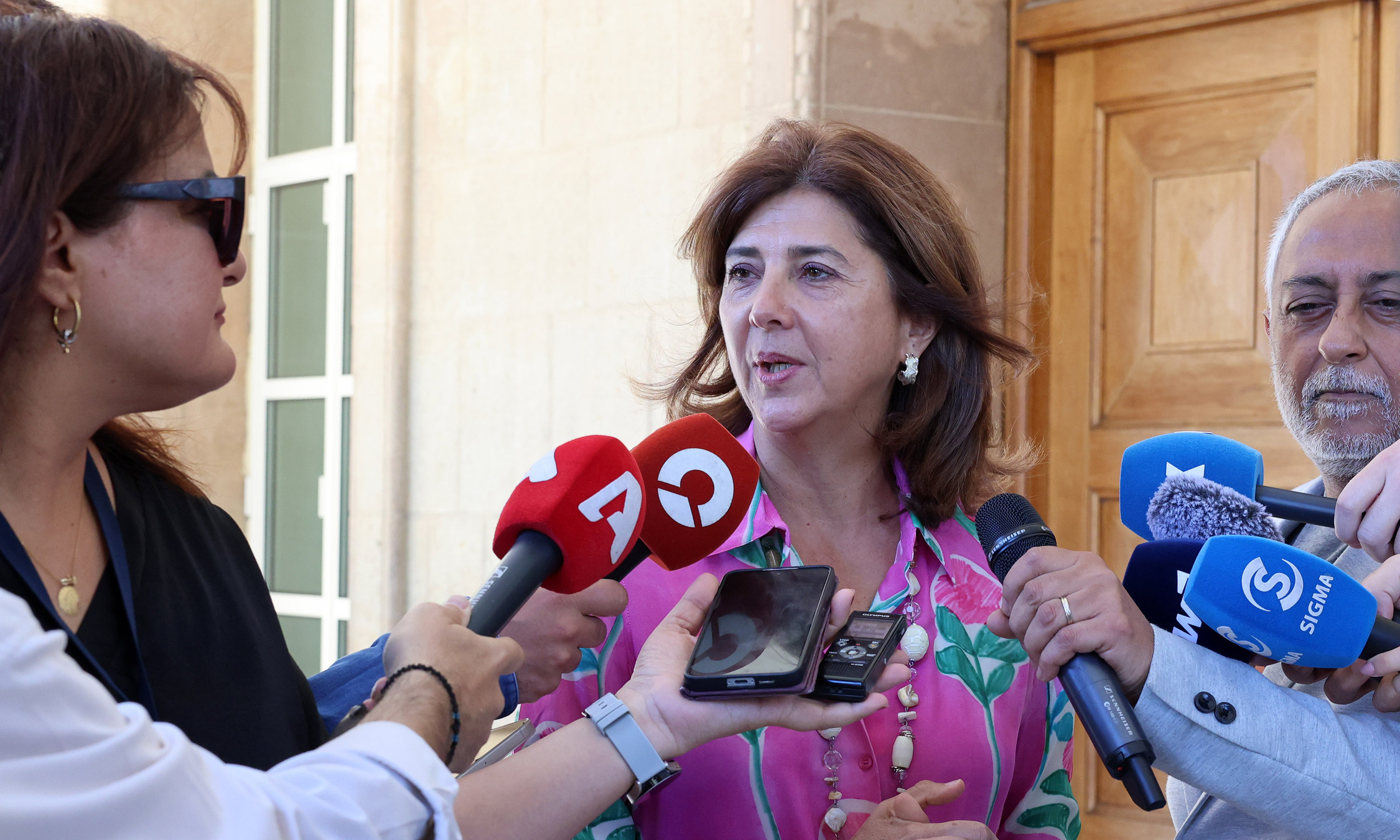
UN Personal Envoy María Ángela Holguín told Politis that the UN has been preparing a convergences paper based on its records up to and including Crans-Montana, which will be shared with the two leaders once completed.
She stressed that the sides cannot pick and choose convergences, as governance, security and guarantees, territory and property are all interconnected. The document’s purpose is to accurately record past convergences and help restart negotiations.
In essence, the UN wants to preserve the package nature of the talks, meaning progress on one core issue cannot be isolated from the others. If the sides progress on CBMs, methodology and substance, the UN will try to take them up to a point where they must choose whether to walk the ‘final mile’… or step away.
Technical but critical
Compiling convergences, however, is not so simple. The UN and the two sides have their records of the body of work completed over the years, which do not always match. For example, the so-called Guterres Framework given orally by the UN Secretary-General at Crans-Montana.
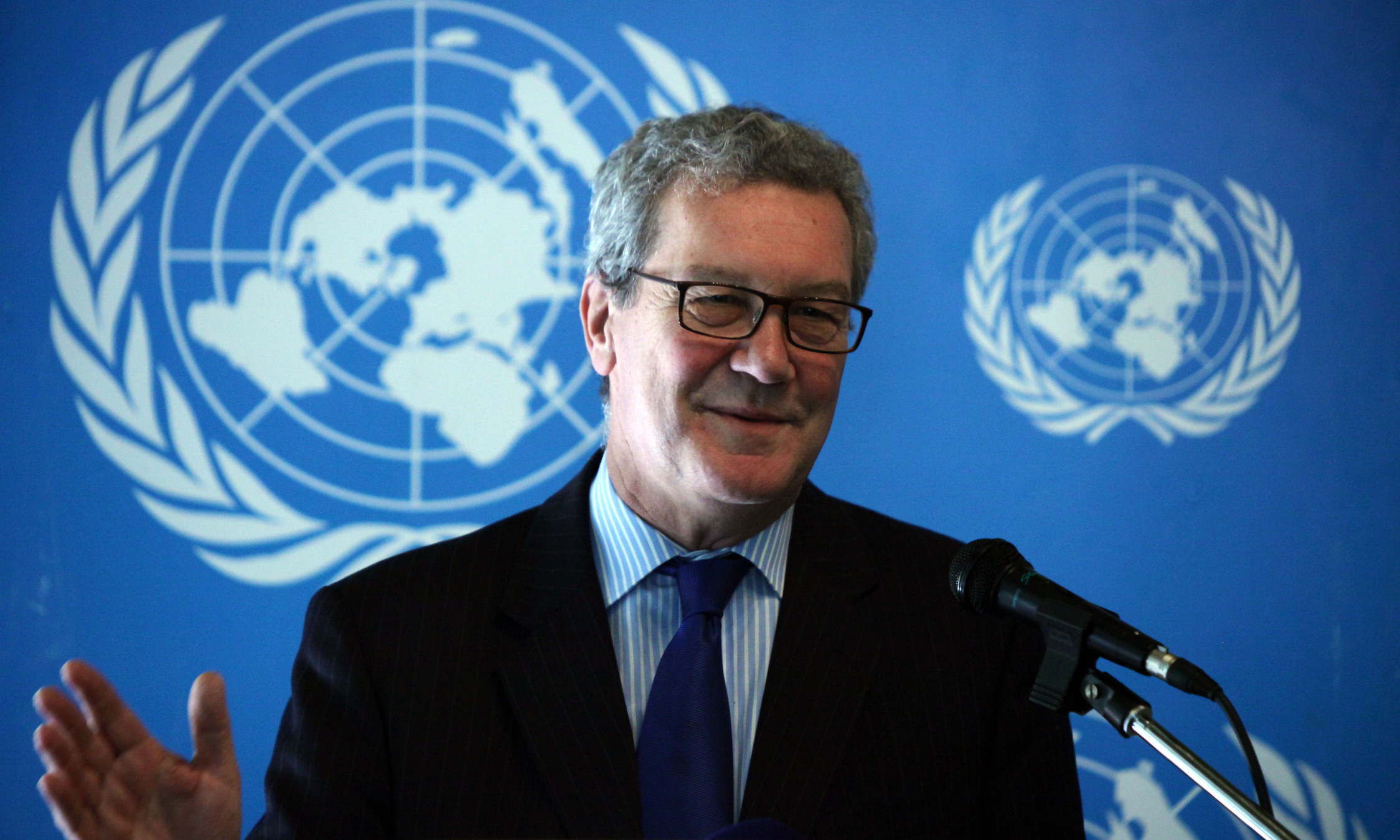
The leaked Downer Document, covering convergences in the 2008-2012 period, reveals the complexity of the task. It shows there are degrees of convergence and divergence on issues.
The Downer Document includes:
· convergences, where the sides come together on an issue
· near convergences, where they are divided by some details
· divergent positions, in red for Turkish Cypriot and blue for Greek Cypriot
· positions demonstrating agreement in principle (a meeting of the minds)
· certain understandings confirmed during meetings
· qualified or conditional convergences
· matters on which there appears to be a bridgeable gap
· differences on definitions
· convergences “subject to” certain other things happening, reflecting the interconnected nature of the talks.
It does not include issues on which there is no convergence at all.
The UN’s updated convergences document will include the work undertaken by Nicos Anastasiades and Derviş Eroğlu, as well as his successor Mustafa Akıncı.
It will cover work done in Cyprus, Mont Pelerin, Geneva, culminating in the final push at Crans-Montana, which ended in failure in the wee hours of 7 July 2017.
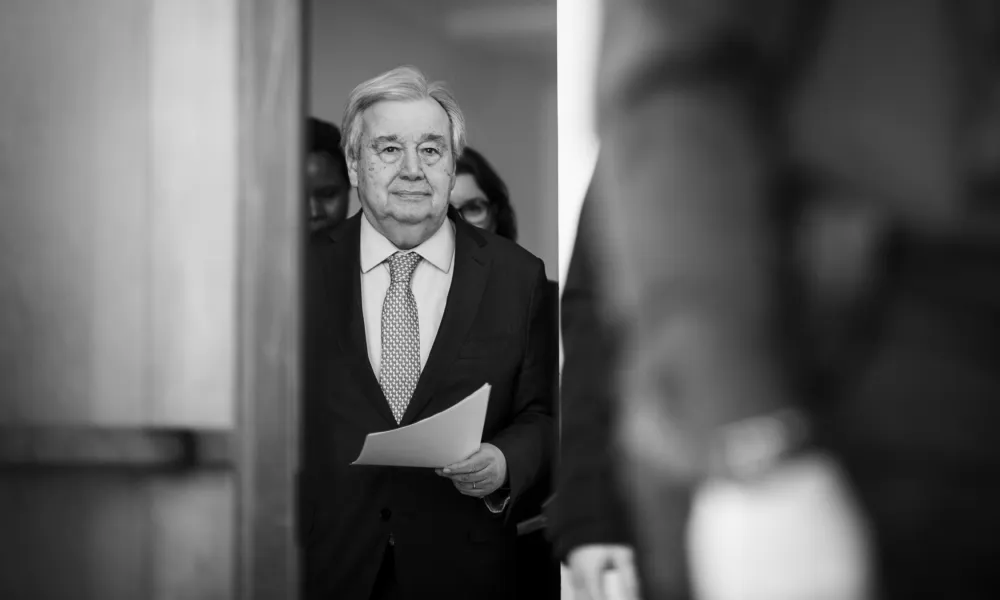
In the Swiss Alps, António Guterres tried to navigate a complex negotiating process involving numerous core issues with multiple actors pursuing diverse interests. That effort included an oral attempt to put the six key elements of a Cyprus solution on the table, guided by a strategic approach to their resolution in an interlinked manner, in what ultimately became known as the Guterres Framework.
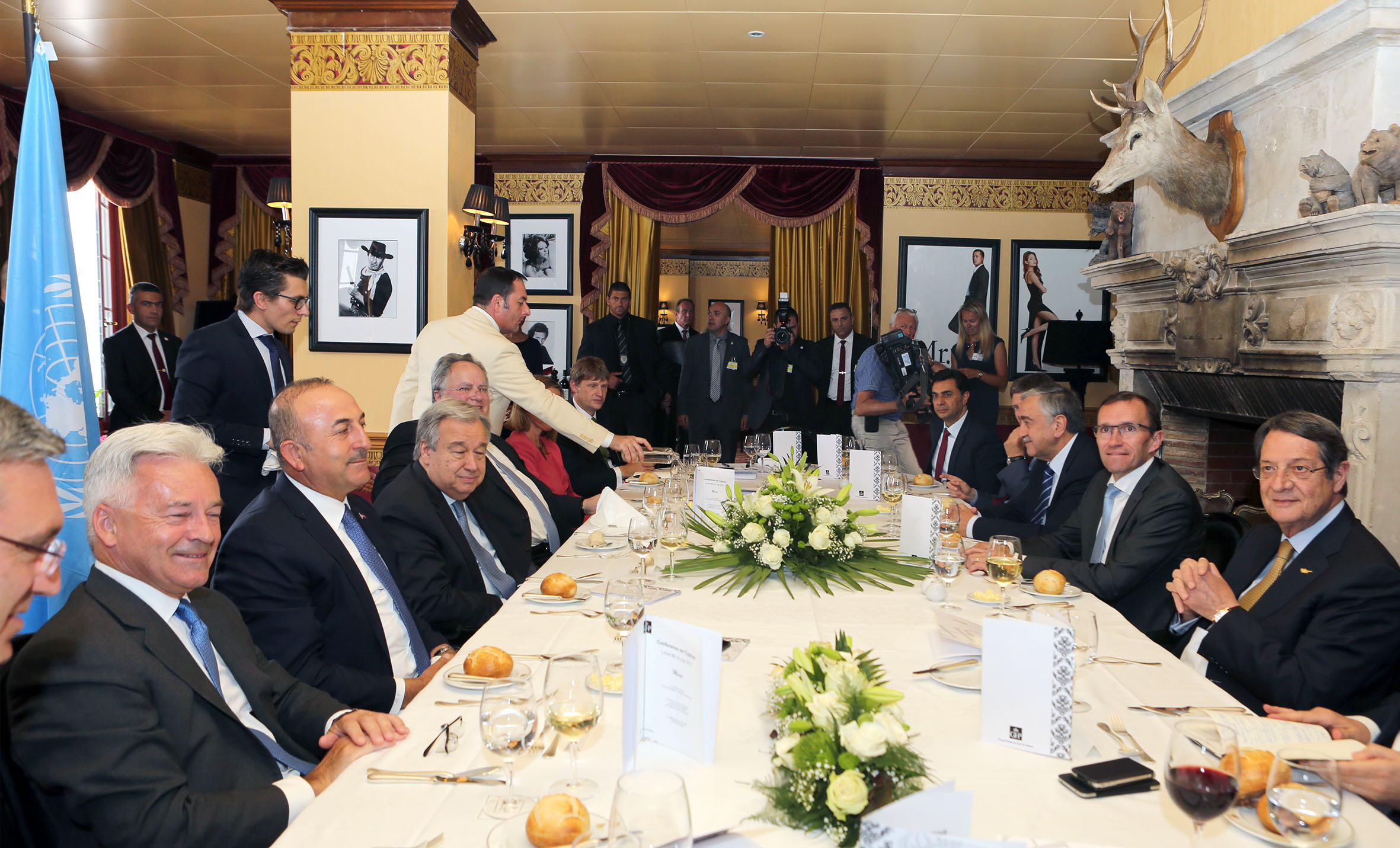
In the aftermath of Crans-Montana, however, there were competing narratives between the sides on what the UNSG had laid out in his pivotal framework.
Guterres later gave a sense of how close the sides got to a solution in his September 2017 report on his good offices mission in Cyprus.
Former negotiators concerned
Former Greek Cypriot negotiator Andreas Mavroyiannis warned that even if the UN prepares the convergences document in a professional and honest manner, once they submit it to the parties, they run the risk of the two sides challenging things they don’t like.
Instead, the sides should simply agree to continue where they left off. Since both sides have all convergences recorded, they know exactly where they were, he argued.
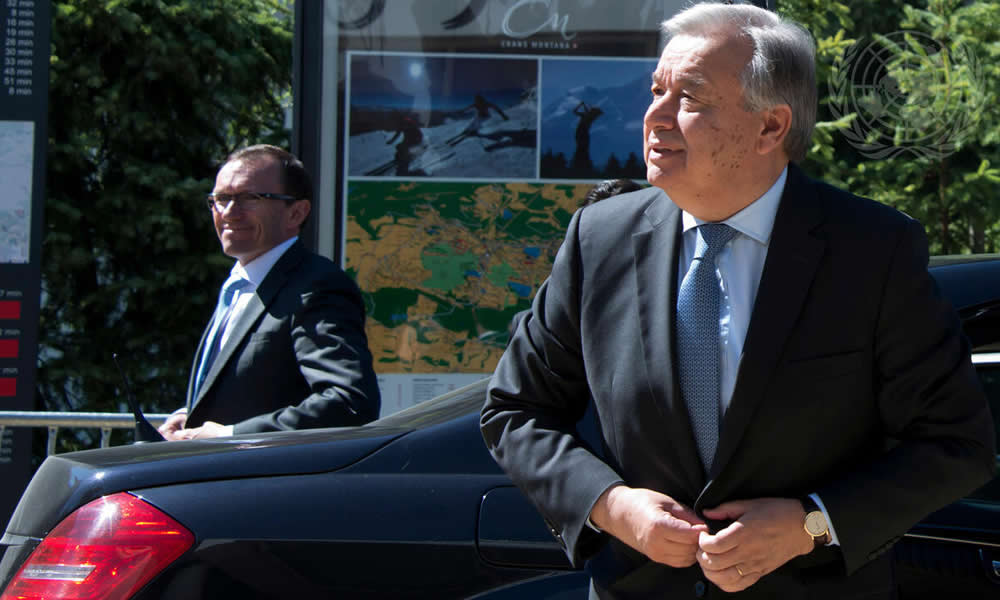
On the Guterres framework, Mavroyiannis argued the problem started after the sides asked the UN to write down what Guterres had said. When the UNSG orally presented his approach to resolving the six core issues on 30 June 2017, the sides did not fundamentally challenge this, giving impetus to the talks, he said.
However, when a UN official attempted to write down that framework, it was not faithful to what the Secretary-General had said, argued Mavroyiannis, noting that the six points had even been reduced to five.
The then UN special adviser Espen Barth Eide had to ask Guterres for clarifications which the Norwegian diplomat then passed on orally to the two sides on 4 July 2017. Based on those clarifications, the Greek Cypriot side submitted proposals accepting a rotating presidency and other elements, subject to agreement on all interdependent issues in the Guterres proposal.
But even Guterres’ clarifications were not recorded by the UN, noted Mavroyiannis, creating problems later – post-Crans-Montana – when Akıncı proposed to Anastasiades a strategic agreement to lock in past convergences, which he based on the first written version of the Guterres Framework.

To the average observer, the gap between the different versions may seem negligible but from a Greek Cypriot perspective, it was the difference between breaking the back of the age-old conflict and seeing another effort fail.
The former negotiator told Politis that the backdrop to Guterres’ six-point framework was the realisation at Crans-Montana that the sides were getting lost in technical details, with negotiations dragging on interminably. Meanwhile, the big picture remained as yet unclear.
Guterres wanted the parties to stop negotiating minor details. He wanted to build on existing convergences to solve the fundamental question on each core issue in a manner that would take the sides to a point of no return. The finer details could be negotiated later but not in a way that could derail the process. The path towards a final settlement would become irreversible. That was the thinking behind the Guterres Framework, explained Mavroyiannis.
‘Convergence exercise unnecessary’
Former Turkish Cypriot negotiator Özdil Nami also questioned the purpose of the current exercise, noting the danger of the sides playing with past convergences.
“The convergences already exist. They were created by the Greek Cypriot and Turkish Cypriot negotiating teams,” he said.
Nami noted that Turkish Cypriot leader Tufan Erhürman’s four-point methodology seeks respect for past convergences, not to draw up a new convergences document.
President Nikos Christodoulides, meanwhile, proposed a different approach. The two sides – and guarantor powers where relevant – will go through the convergences one by one, stating which they agree on.
The former negotiator argued Guterres should have demanded full respect for past convergences before leaving Cyprus, instead of simply taking them into account.
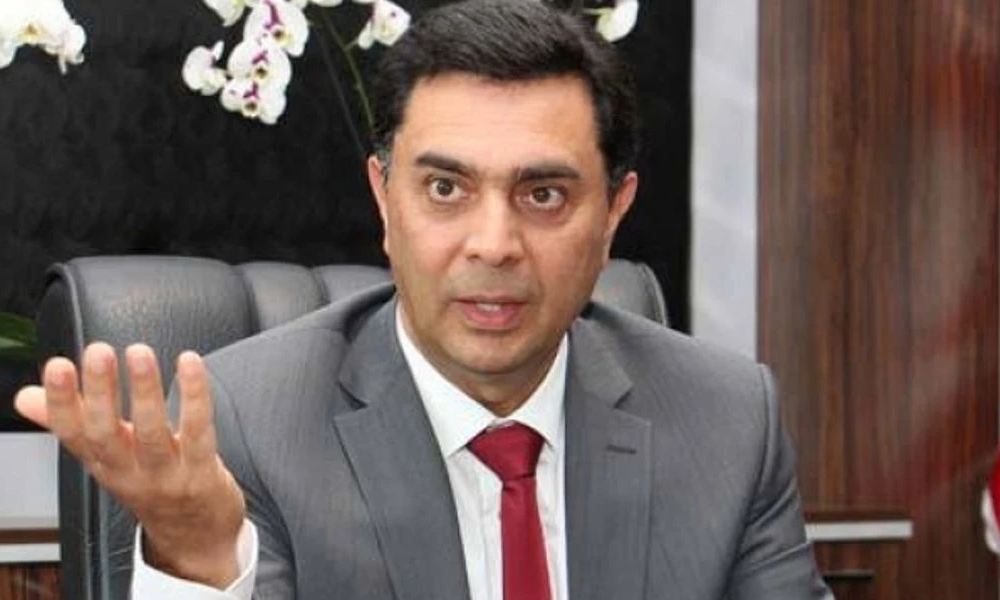
Asked if convergences included the Guterres Framework, Nami was clear: “The Guterres Framework summarises how to solve remaining issues, which we as Turkish Cypriots agreed to. So if you say up to and including Crans-Montana, then yes it includes that.”
The former negotiator also argued, “When we talk about methodology, it has nothing to do with convergences.”
The sides need to finally sit down and agree on methodology, he said. This means continuing from where they left off, within a limited time period, ending with arbitration if the sides cannot agree, and with consequences for the side that rejects a settlement, he added.
Nami argued that if the leaders fail to finalise an agreement at the end of a pre-defined time limit, this should trigger deadlock-breaking mechanisms, which is a form of arbitration, otherwise there is no finality.
He acknowledged that Erhürman has not raised the issue of arbitration but said it’s embedded in his methodology proposal.
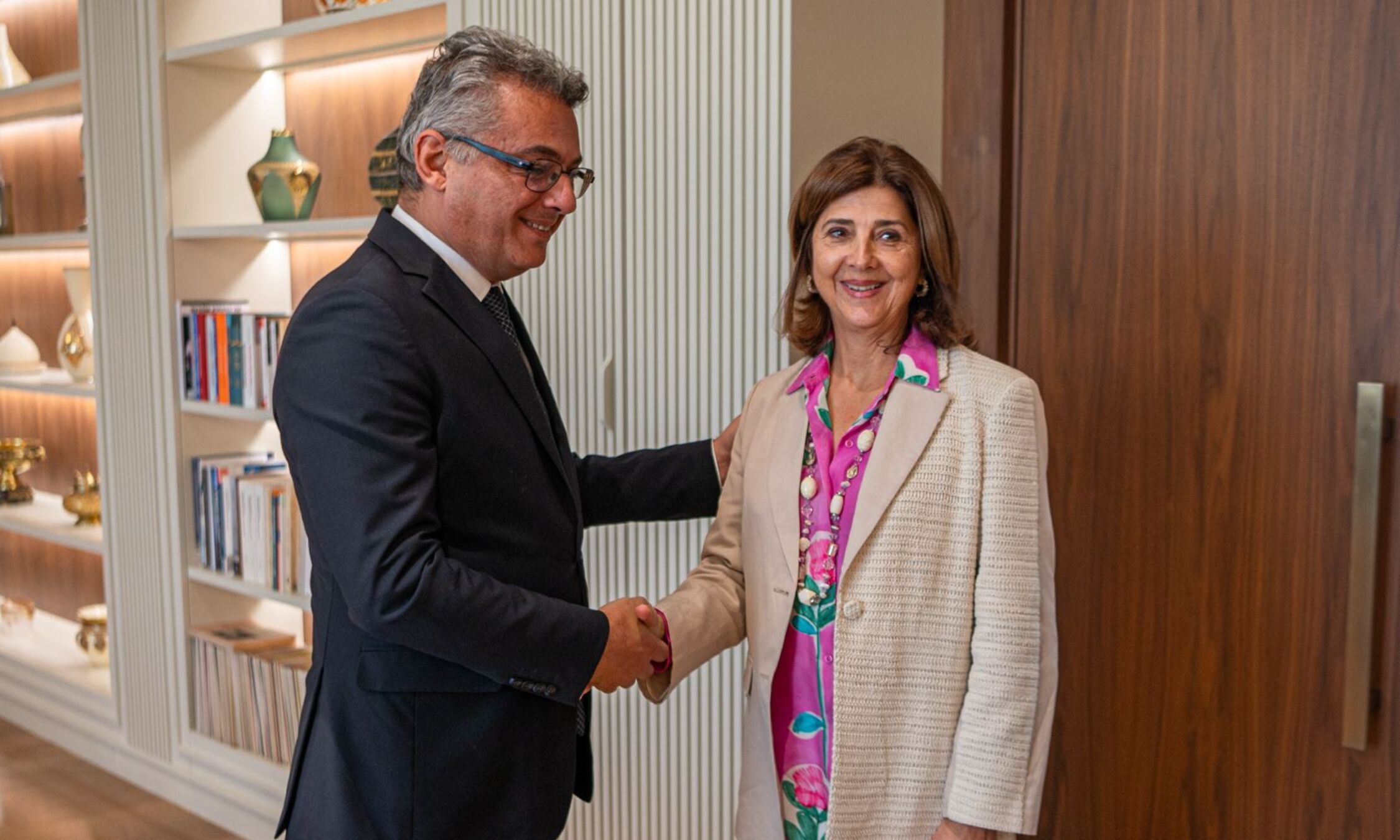
On Ankara’s current refusal to publicly support a federal solution, Nami said: “Past performance indicates, if the Greek Cypriot side accepts a result-oriented approach as suggested by Mr Erhürman in his four-point proposal, Turkey will give a federal solution another chance.”
Nami noted that he and Mavroyiannis had managed to convert the Christofias-Talat convergences into Anastasiades- Akıncı convergences within two weeks by agreeing first on methodology before going into substance. The exercise had a two-week time limit, and past convergences could only be changed if both sides gave their consent, otherwise whatever was previously agreed remained a convergence.
“Without agreement on methodology, you can’t move on CBMs or substance,” he said.
Challenges ahead
According to sources, the process of how to handle past convergences has not been finalised yet though the objective is for the sides to confirm the convergences document as a whole – the ultimate aim being to ensure the sides return to within a mile of the finish line.
However, there is a long-standing negotiating principle in Cyprus: ‘Nothing is agreed until everything is agreed.’
Technically, the sides can walk away from any convergence at any time, though it comes with a political cost and the onset of the blame game.
What the UN must carefully ensure in this next phase is that the opportunity to waste time on details is avoided.
Numerous sources present at Crans-Montana have acknowledged how close the sides came there. Should they succeed in resuming talks, they stand within touching distance of resolving one of the three most intractable conflicts in the world, including Israel-Palestine and Kashmir.
Conflicts remain conflicts until the moment peace is found. Who knows... Notwithstanding Trump’s reaction, history might just add two more Cypriots to the list of Nobel prize winners.