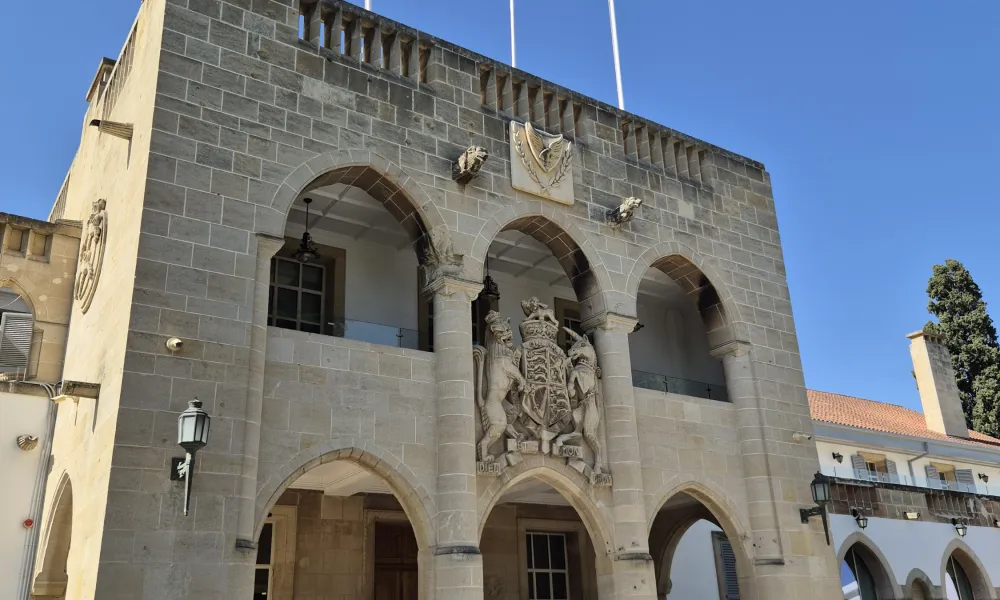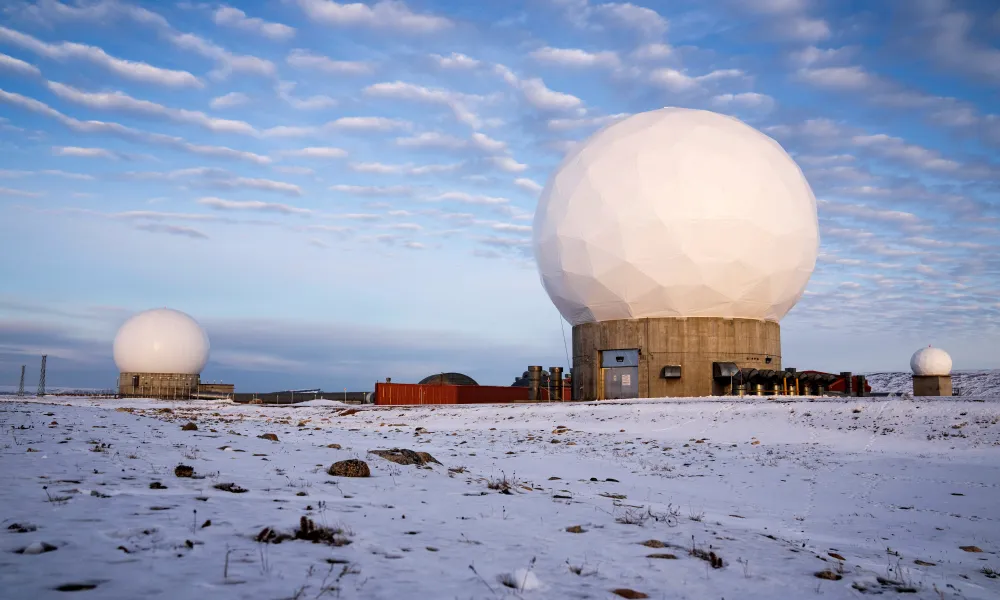

Greenland is the world’s largest non-continental island, with a land area of 2.2 million square kilometres. The road network on this vast, icy territory measures a modest 150km, serving a predominantly Inuit population of under 60,000.
Until Donald Trump declared it a ‘Must Have’ territory, Greenland barely registered on the radar of public consciousness. Now, unless you’ve been on a lengthy vipassana retreat, it is impossible not to know Greenland exists, it’s connected to Denmark and Trump wants it really bad.
The US President said he wanted Greenland to beef up US military presence and secure the Arctic territory from Russian and Chinese interests. Applying a ‘real estate’ mindset, he insisted he needed to own it as nobody would fight for something that doesn’t belong to them.
Trump gives Europe a jolt
Things got a bit hairy last month when Trump threatened economic tariffs on Denmark and its European allies – while refusing to rule out use of force – unless he got what he wanted. This seemed to be the walrus that broke the polar bear’s back, mobilising Europe, including trusted American ally the UK, to push back against the unorthodox pressure applied on Denmark and its autonomous territory Greenland.
Enter stage right, NATO Secretary-General Mark Rutte who met with Trump on the sidelines of the World Economic Forum at Davos. Often criticised for his ingratiating tone towards the US leader, Rutte flew in this time as the deus ex machina, providing a framework to de-escalate tensions and return a brief semblance of calm in transatlantic relations.
Trump and NATO reportedly reached an understanding on the contours of a deal that would grant the US sovereign bases over territories of Greenland, which one official present at the negotiations compared to the British bases in Cyprus.
All eyes on Cyprus, briefly
At this point, Cyprus, a small island of 9,000 square kilometres, received a disproportionate amount of attention from the global media reporting on the precedent of the “colonial remnant” that is the British Sovereign Base Areas (SBAs).
On closer inspection of the basic principles of the ‘deal’, however, legal scholars have argued that applying the Cyprus precedent to Greenland may constitute “a violation of international law”.
Sovereign bases and indigenous rights
Dr Nasia Hadjigeorgiou, from the Cyprus branch of the University of Central Lancashire, and Markus Gehring from the University of Cambridge recently co-authored a piece on the legal dimension of US sovereign bases in Greenland. They argued that establishing such bases would constitute a violation of international law that “cannot validly be agreed to by Denmark or NATO”.
Their argument focuses on two threads: the illegality of establishing sovereign bases; and indigenous rights.
On the first part, the two academics refer to the International Court of Justice (ICJ) Advisory Opinion on the Chagos Archipelago, which the UK had detached from Mauritius three years earlier before granting the latter independence in 1968.
“In this, the Court explained that the detachment of part of a non-self-governing territory must be based on the free and genuine will of the people of the concerned territory,” said the scholars.
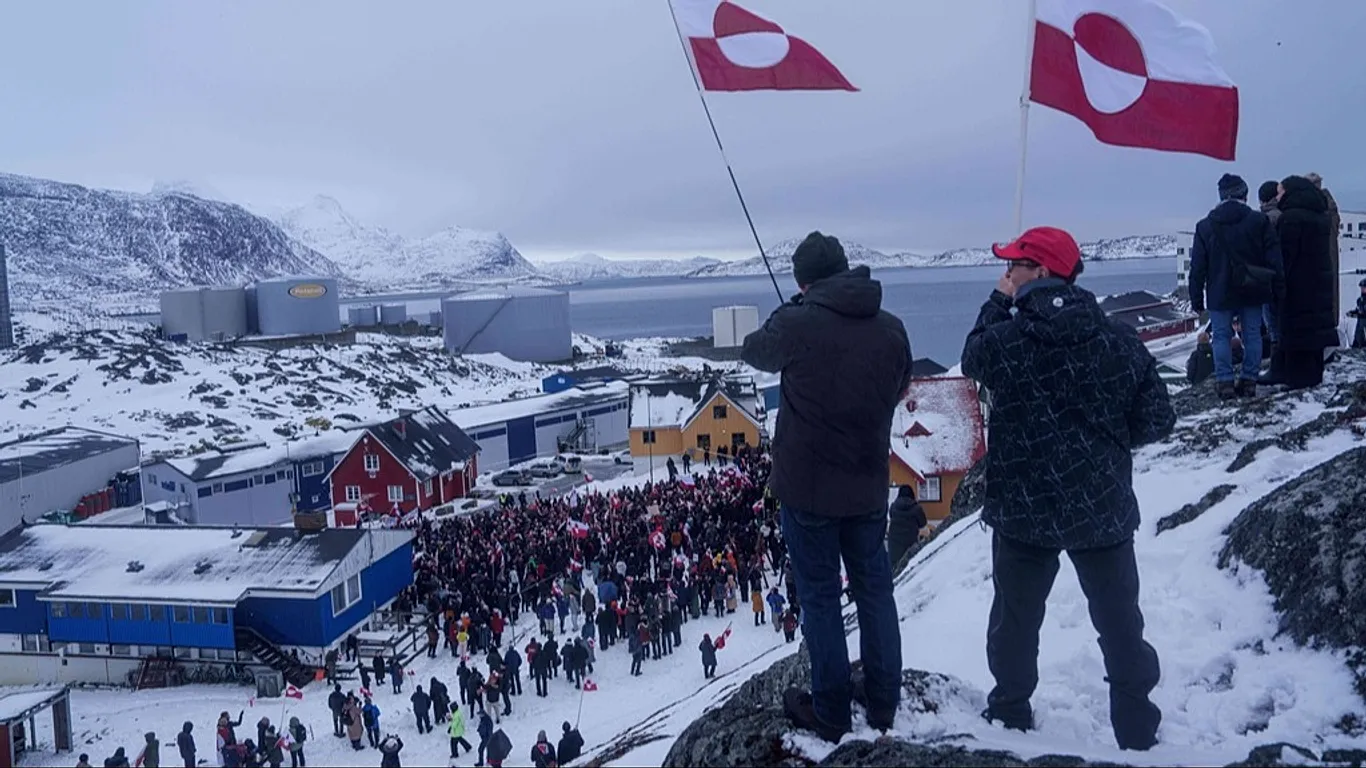
They then noted that Greenlanders are constitutionally recognised as a “people” with a right to self‑determination, including a lawful pathway to independence by referendum and subsequent negotiation.
“If anyone were to consent to the creation of US sovereign bases, therefore, it would have to be them. It is not for Denmark to reach such an agreement, and it is certainly not for the NATO Secretary General,” they said.
Threat of use of force
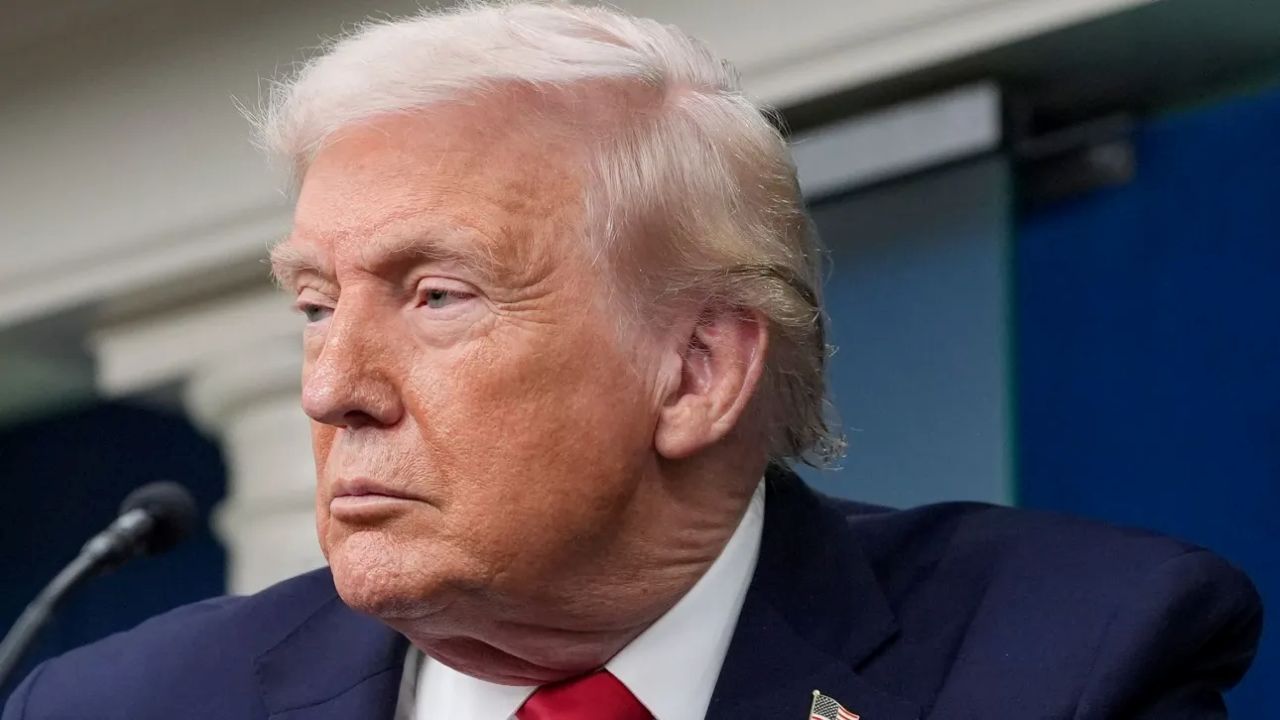
Hadjigeorgiou and Gehring argue that Trump’s threat of use of force to achieve ownership of the island means that a subsequent transfer of sovereignty would not be the result of “the free and genuine will of the people”. Such a threat also violates Article 2(4) of the UN Charter, which is a universal law.
“Thus, any transfer of sovereignty of part of Greenland’s territory to the US, as a result of such a threat, would be null and void,” they wrote.
The two academics further argue that modelling the proposed US bases on the SBAs in Cyprus does not enhance their credibility.
“The SBAs are a remnant of Cyprus’ colonial history, but even when seen through this light, they are arguably illegal.”
‘Dizzying reach’ of British rights in Cyprus
The Treaty of Establishment 1960 that created the SBAs allowed the UK to retain sovereignty over two large areas in Akrotiri and Dhekelia, making up 3% of the island’s territory and home to around 11,000 Cypriot citizens today. At the same time, it granted independence to the rest of the island while retaining around 40 sites and installations under British control.
Hadjigeorgiou notes that, in addition, the UK retained a number of rights over the whole island that are “dizzying in their reach and potential implications”, such as the right to take additional sites if necessary, to take control of Cyprus Republic ports if they fail to meet the needs of the SBA, and to use roads, ports and other facilities within Cyprus to move troops freely.
However, the academics argue the UK’s sovereignty is not unlimited, citing Appendix O of the Treaty of Establishment (which Cyprus considers to be legally binding, but the UK does not) as providing certain restrictions.
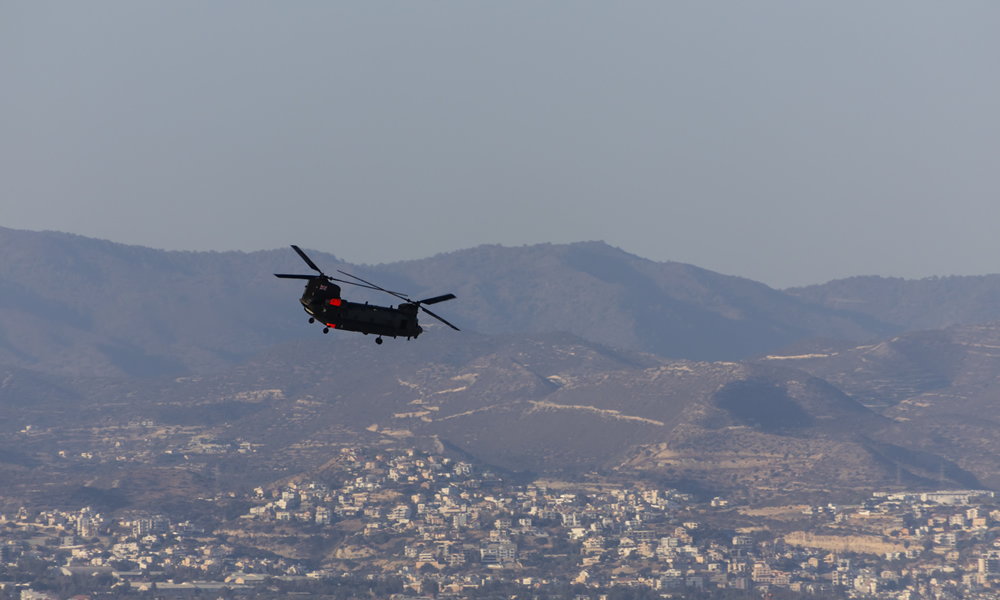
RAF Boeing CH-47 Chinook flying over Akrotiri base near Limassol
British bases of ‘doubtful’ legality
“Even with such restrictions on the UK’s sovereignty, the SBAs remain of doubtful international legality, precisely because they were established in contravention of the principles set out in Chagos,” they note.
According to Hadjigeorgiou and Gehring: “Contemporary practice to establish military bases overwhelmingly no longer grants this type of enclave sovereignty within the host state, but only grants defined functional (exclusively military) rights to the sending state.”
Furthermore, Trump’s vision of an “SBAs plus”, which would transfer sovereignty, allowing the US to use the Greenland bases not just for military purposes but also commercial development “would constitute an overt violation of international law”.
Protection of indigenous rights
The two legal scholars also point to customary international law on the protection of indigenous rights to argue that US sovereign bases in Greenland would be illegal. First, it would violate indigenous rights, as large-scale, high-impact measures affecting Inuit lands require Free, Prior and Informed Consent, backed by environmental and social impact assessments and fair benefit-sharing.
Second, the ICJ’s 2025 Climate Advisory Opinion strengthens the legal case by linking environmental law, human rights and the no-harm rule. A US enclave would weaken Greenland’s ability to conduct proper impact assessments, ensure public participation, and protect the right to a clean and healthy environment.
Forget sovereign bases, pursue binding demilitarisation
Instead of militarising the Arctic, Hadjigeorgiou and Gehring argue states should pursue cooperative, possibly binding demilitarisation frameworks through the Arctic Council, with the participation of Indigenous representatives.
“It feels deeply disturbing that one of the countries that has withdrawn from the constitution of climate change in the form of the Paris Agreement would use the warming of the Arctic Ocean as an excuse to lay sovereignty claims on Greenland,” said the international legal experts.
The academics conclude that carving out a US sovereign enclave in the 21st century would constitute multiple breaches of international law, including the UN Charter, ‘ius cogens’ (universal) norms, the right of self-determination, and indigenous rights. It would also depart from prevailing practice on foreign military bases and “should be ruled out”.