The EU is stepping up its support for Lebanon amid an escalation of violence and significant displacement, reaffirming its commitment to the country's stability, said the European Commission on Monday.
According to a press statement, the EU is actively mobilising measures under its €1 billion 2024-2027 financial support package for Lebanon to meet the most pressing needs on the ground – in addition to last week's €100 million in humanitarian aid.
Dubravka Šuica, Commissioner for the Mediterranean, said: “True partners stand together in times of crisis. The EU's support to Lebanon and its people is unwavering. Together with the Lebanese authorities and our international and regional partners, we are making every effort to ensure continued access to basic services.
“In addition to the humanitarian aid, under our €1 billion financial support package we are responding to the immediate needs of the most vulnerable while keeping on urging de-escalation and the protection of civilians. We will also continue backing Lebanon's security forces, whose role in maintaining stability remains crucial.”
War expands, Lebanon under severe strain
Following the US-Israeli attack on Iran, launched on 28 February, 2026, the war almost immediately expanded to include Iran’s neighbours with hundreds of Iranian missiles and drones directed at them, affecting the security and economy of US-allied countries in the Gulf and Middle East.
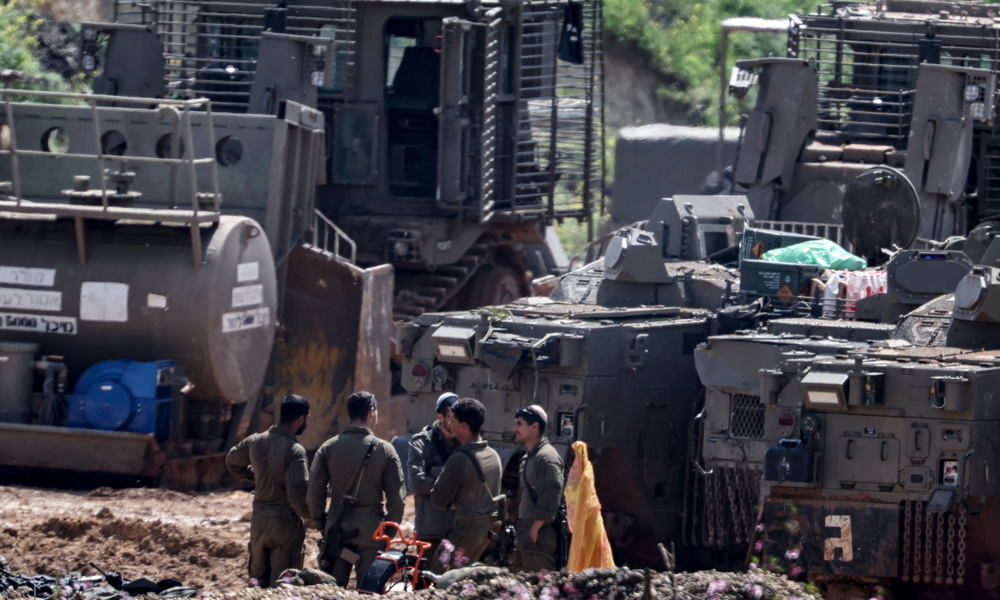
Israel-Lebanon border in northern Israel. Credit: EPA/ATEF SAFADI
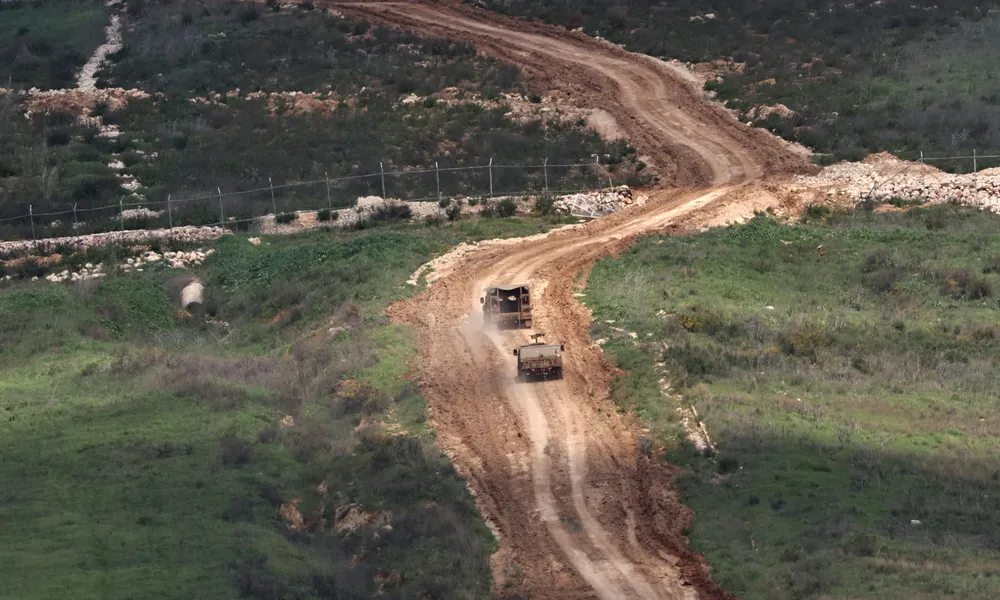
The conflict has since spread further to Lebanon with Hezbollah and Israel trading fire. Over one thousand people – including civilians – have been killed in Lebanon while up to one million are displaced. The Israeli military is already present inside Lebanon, targeting Hezbollah infrastructure and personnel across the country. Reports suggest the Israeli military may push deeper into southern Lebanon to create a ‘buffer zone’ on the border with Israel.
EU support
To assist those displaced by the escalation, the EU has allocated additional cash aid of €10 million for 100,000 vulnerable households, delivered through Lebanon's government-led safety net programme. With the national health system under severe strain, over 20 EU-funded mobile medical units have been deployed to support 67 collective shelters and areas under evacuation orders in order to ensure that the population retains access to essential health services.
The EU is also adapting its education response to ensure learning continues, by enabling remote classes for 50,000 students and providing digital training tools for 8,000 teachers.
“This expanded support will guarantee integrated education and child protection services in shelters and temporary learning spaces, reaching a total of 150,000 children and young people in need through both in-person and community-based programmes,” said the Commission.
Operations
The EU is also reinforcing support to the Lebanese government's National Operations Room, which coordinates the emergency response. Finally, through the programme for durable solutions for Syrian refugees, the EU is supporting displaced people by supporting border monitoring and management of movement at key crossing points, including ensuring basic assistance for people crossing the border from Lebanon into Syria, concluded the press statement.
For more information, check the European Commission’s ‘Middle East: EU crisis measures’ factsheet.