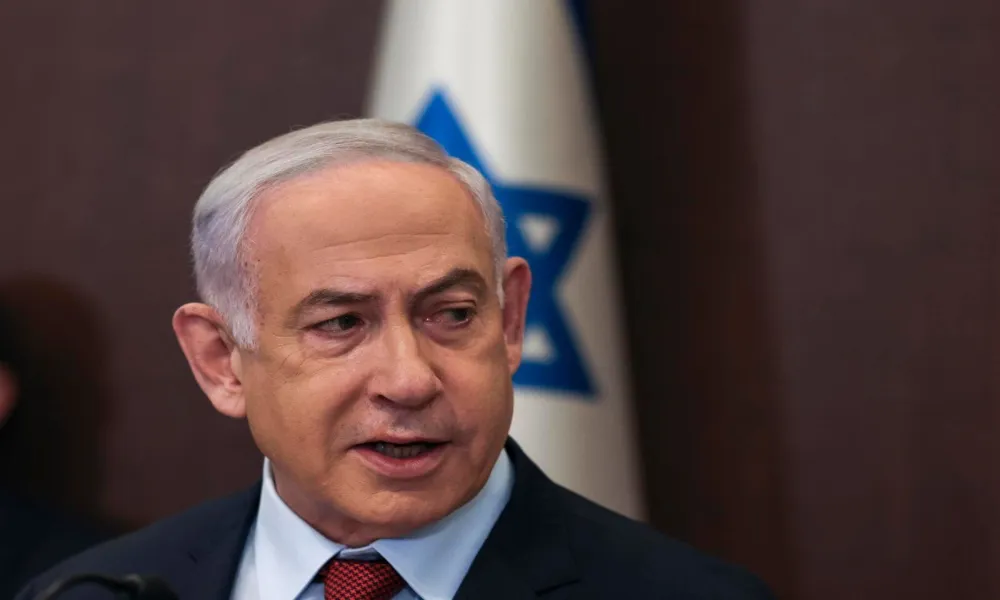

Israeli Prime Minister Benjamin Netanyahu on Sunday urged additional countries to join military operations against Iran, warning that Tehran’s attacks now pose a “global threat.” Visiting a site hit by Iranian missiles in the southern city of Arad, Netanyahu said Iran had endangered “the entire world” over the past two days, accusing it of targeting civilians, critical infrastructure and even religious sites in Jerusalem.
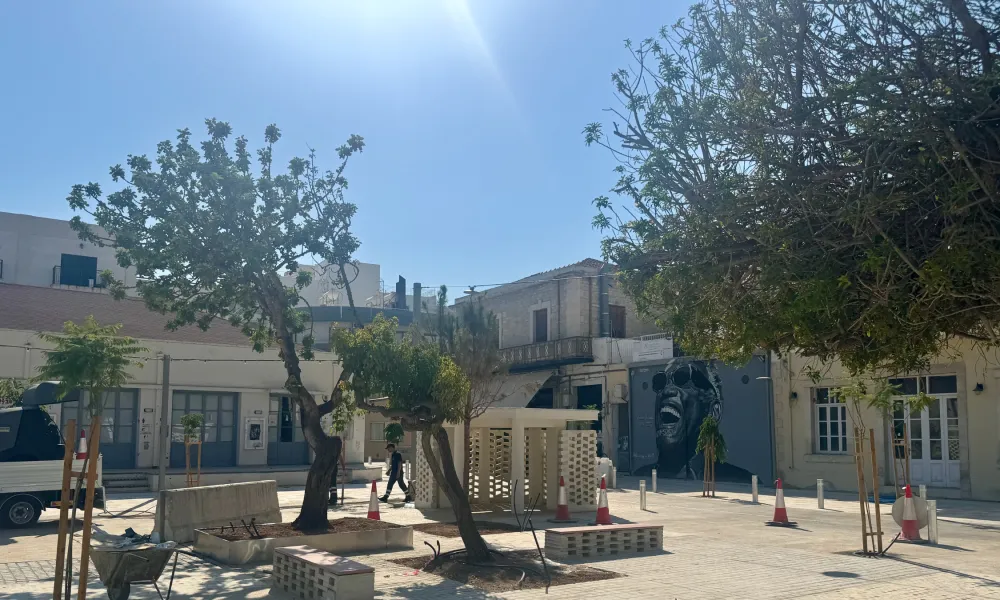
Netanyahu claimed Iran had already struck “a European country – Cyprus,” and cited the launch of a ballistic missile toward Diego Garcia, roughly 4,000 kilometres away, as evidence of Tehran’s expanding reach. He warned that Iran now has the capability to hit “deep inside Europe,” and accused it of trying to blackmail the international community by threatening energy flows through the Strait of Hormuz. Israel and the United States, he said, were acting “for the security of the whole world.”
According to the Israeli military, Iran has fired more than 400 ballistic missiles at Israel since Israel and the US started the conflict on 28 February, with interception rates of about 92%. Missiles struck Dimona and Arad on Saturday, injuring more than 170 people. Iran described its strikes as retaliation for an alleged attack on its Natanz nuclear facility – a claim Israel has not confirmed.
Iran condemns damage to water and energy infrastructure
Iranian officials said Sunday that American and Israeli strikes had caused extensive damage to the country’s water and electricity infrastructure. Energy Minister Abbas Aliabadi stated that dozens of water‑treatment and transmission facilities had been hit, and parts of key networks were destroyed. The head of the Iranian Red Crescent, Pirhossein Kolivand, reported that more than 81,000 structures – including homes, businesses, schools and medical centres – had been damaged, though foreign media have not been able to independently verify figures outside Tehran. Iran’s Health Ministry has claimed over 1,200 deaths from the airstrikes since 8 March.
Trump issues ultimatum over Strait of Hormuz
In Washington, US President Donald Trump issued a 48‑hour ultimatum demanding Iran reopen the Strait of Hormuz “fully and without threat,” warning that otherwise the US would “strike and destroy” Iranian energy‑production sites. Iran responded through state‑linked media warning that any attack on its energy infrastructure could trigger a regional blackout, noting that up to 80% of major Gulf power plants lie within range of Iranian missiles.
Tehran has also begun charging certain vessels as much as USD 2 million to transit the Strait, with senior Iranian lawmaker Aladdin Boroujerdi calling the fees part of a new “sovereign policy.” He added that Israeli energy facilities are “within range and could be destroyed within a day.”
As strikes and counter‑strikes continue across the Middle East – including new missile attacks on Saudi Arabia and the UAE – roughly twenty countries, among them the UK, France, Japan and the Gulf states, have said they are prepared to contribute to efforts to keep the Strait of Hormuz open, amid soaring oil and gas prices and growing concerns for global economic stability.
G7 condemn Iran for hitting neighbours
G7 foreign ministers issued a joint statement calling on Iran to “immediately and unconditionally” halt its attacks across the Middle East. The group – Germany, Canada, the United States, France, Italy, Japan, the United Kingdom and the EU High Representative – said Tehran’s actions were “unjustified” and expressed full support for regional partners facing Iranian strikes. They stressed that countries under attack have the right to defend their territory and protect their citizens. The ministers reaffirmed their commitment to the security, sovereignty and territorial integrity of those states.
The G7 also raised concerns about the disruption of global shipping through the Strait of Hormuz, highlighting the importance of safeguarding freedom of navigation, maintaining the security of supply chains, and ensuring the stability of global energy markets.
British submarine heading to Arabian Sea
Amid the escalating conflict, the Daily Mail reported that a British nuclear‑powered submarine equipped with Tomahawk missiles has taken up position in the Arabian Sea, though the UK Ministry of Defence has not confirmed the deployment. Downing Street has authorised US forces to use British bases for strikes on Iranian missile sites threatening maritime shipping.
WHO: Beware of strikes on nuclear sites
Meanwhile, international bodies have issued stark warnings against strikes near nuclear sites. The World Health Organization said the war had reached a “dangerous stage,” citing attacks near nuclear facilities in both countries. WHO Director‑General Tedros Adhanom Ghebreyesus urged all sides to exercise “maximum restraint.” The International Atomic Energy Agency reported no abnormal radiation levels at either Dimona in Israel or Natanz in Iran.
Pope calls war a ‘scandal’ to all humanity
Pope Leo also condemned the intensifying conflict and continued loss of life, describing it as a “scandal to the entire human family.” He renewed his appeal for an immediate ceasefire during Sunday’s address at the Vatican.
Sources: CNA, AP, AFP, Reuters, Daily Mail