Europe continues to set the pace in global travel freedom, placing 30 countries among the world’s most powerful passports. Yet, for the second consecutive year, the top position belongs to Singapore, according to the latest Henley Passport Index.
Singapore Holds On To First Place
Singapore once again leads the ranking, with its passport granting visa-free or visa-on-arrival access to 192 destinations worldwide.
Close behind, Japan and South Korea share second place, offering access to 188 destinations.
The index, now in its 20th year, is compiled using data from the International Air Transport Association and measures how many destinations passport holders can enter without securing a visa in advance.
Europe’s Strong Showing In The Top Tiers
Five European countries share third place, each providing access to 186 destinations:
- Spain
- Denmark
- Luxembourg
- Sweden
- Switzerland
Just below them, with access to 185 destinations, is a large European group including Austria, Belgium, Finland, France, Germany, Greece, Ireland, Italy, the Netherlands and Norway.
Overall, Europe accounts for the vast majority of the top 10 positions, reinforcing its long-standing dominance in global mobility.
Passports Still Lagging Behind
Despite Europe’s overall strength, significant disparities remain.
Passport holders from Belarus have visa-free access to only 79 destinations, placing the country 60th globally. Kosovo ranks 59th, with access to 81 destinations, tied with China and Botswana.
That said, Kosovo has recorded notable progress, climbing 38 places since 2016, reflecting gradual gains despite remaining below the global average.
Big Movers Beyond Europe
The most dramatic long-term rise belongs to the United Arab Emirates, now ranked fifth after climbing 57 places over the past two decades. The UAE’s ascent has pushed the United Kingdom down to seventh place.
The United States remains in 10th position, with access to 179 destinations, unchanged from last year but still marking its lowest ranking since the index began.
Mobility As A Measure Of Power
Commenting on the findings, Dr Christian H. Kaelin, chairman of Henley & Partners, said passport strength now plays a decisive role in shaping opportunity and security.
While average global access continues to rise, he noted, the true advantages of mobility are becoming increasingly concentrated among countries with strong economies and political stability, underlining how freedom of movement is fast becoming a marker of global inequality rather than a universal right.
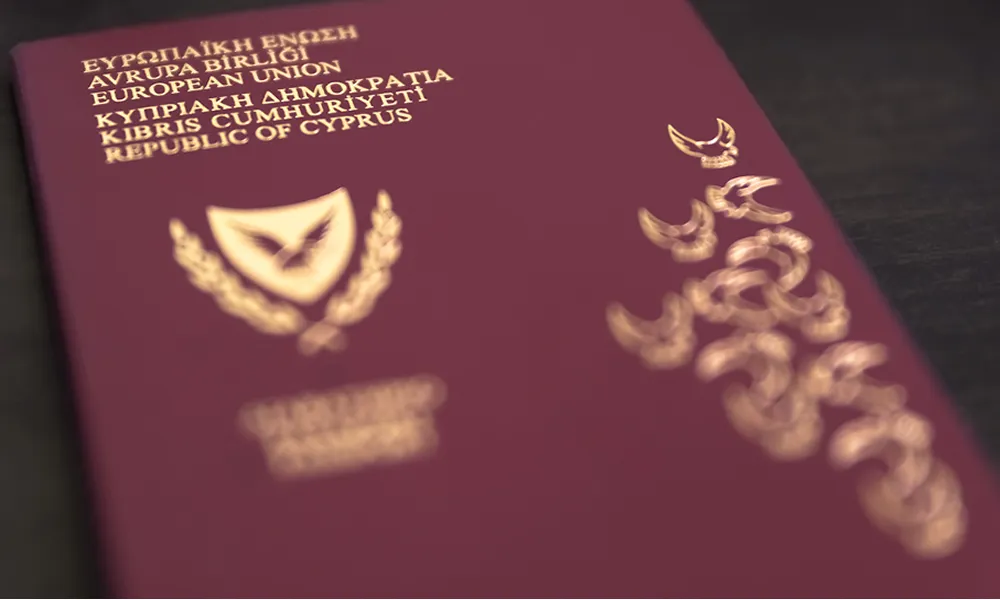
Cyprus’ passport remains one of the world’s most valued travel documents, even as it faces contrasting fortunes across independent global rankings.
In the latest Henley Passport Index, Cyprus slipped two places from 12th in 2024 to 14th in 2025, measured by the number of visa-free and visa-on-arrival destinations its citizens can access. Cypriot travellers now enjoy relatively broad mobility, with entry to around 179 countries without pre-arranged visas.
The dip in the Henley table reflects a narrow focus on pure travel freedom. This index does not consider other aspects of citizenship beyond short-term entry rights. It simply counts the number of destinations passport holders can visit without a visa or with a visa on arrival, and slight changes by other countries can push a nation up or down the list even when access appears strong.
Broader Measures Paint a Different Picture
By contrast, the Nomad Passport Index by Nomad Capitalist places Cyprus much higher on the global stage. In its 2026 edition, Cyprus ranks as high as 5th in the world, a remarkable position that reflects more than just travel access.
Nomad Capitalist’s methodology factors in five key elements:
Visa-free travel, accounting for 50% of the overall score, this still matters but is only part of the picture.
Taxation: how favourable a nation’s system is for internationally mobile citizens, especially those who can legally minimise taxes by relocating or structuring their income.
Global perception: how citizens of a country are viewed and treated internationally.
Dual citizenship: whether the legal framework allows multiple nationalities.
Personal freedoms: civil liberties, movement liberties and rights enjoyed by citizens.
Because of this broader scope, Cyprus’ total score places it ahead of many larger nations. Its combination of EU membership, non-dom tax regime, flexible dual citizenship policy, and robust personal freedoms helps explain its strong showing.
Why the Difference Matters
Experts note that while travel-only rankings such as Henley give a snapshot of mobility, they miss how citizenship interacts with daily life, wealth, and long-term economic strategy. The Nomad index argues that the true value of a passport lies not only in how many borders it opens, but also in the practical advantages it confers on citizens and global residents.
In practical terms:
Under Henley’s travel-focused measure, Cyprus’s slight fall does not radically change its global standing. Its passport still ranks in the top tier of travel documents.
Under the Nomad index’s holistic lens, Cyprus excels as a passport that supports economic freedom, global perception and personal choice, pushing it into the elite top five worldwide.
For many Cypriot citizens, the mixed signals from these rankings have had little impact on everyday life. The passport continues to offer excellent mobility, especially within Europe, and plays a significant role in people’s decisions about work, study, and residence abroad. The country’s EU membership and ties mean that the document carries weight beyond mere travel counts.
In essence, a dip in pure travel freedom rankings does not diminish Cyprus’ overall passport strength, particularly when newer, broader criteria suggest the nation offers substantial holistic advantages. For analysts watching global mobility trends, the contrasting results underline how different tools and priorities can yield widely varied pictures of the same passport’s power.
Source: euronews