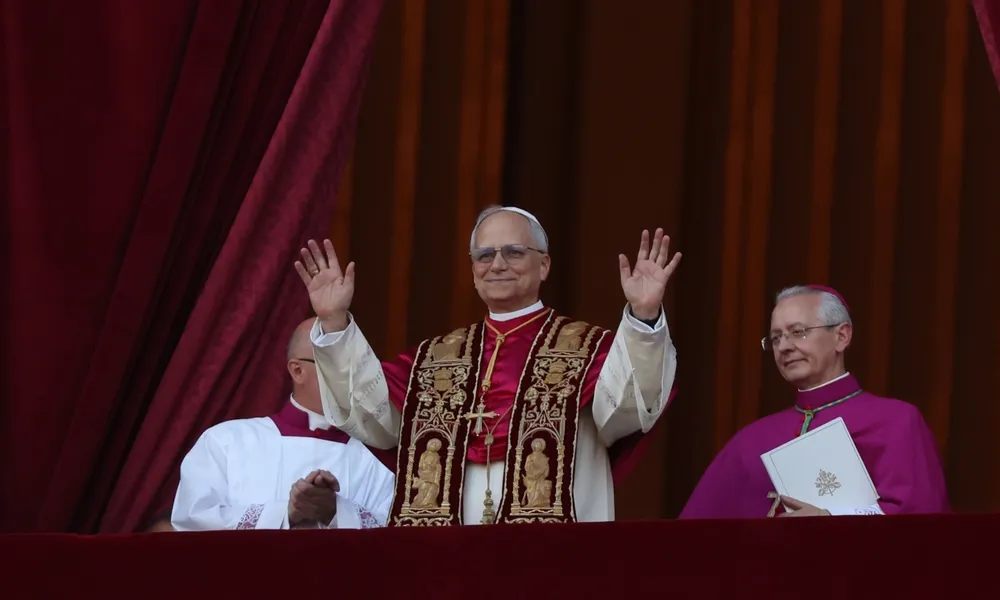

Pope Leo XIV has warned that artificial intelligence chatbots designed to be emotionally engaging risk becoming substitutes for human relationships, urging governments and international bodies to regulate their use.
In a message issued ahead of the Catholic Church’s annual World Day of Social Communications, the US-born pontiff cautioned that overly “affectionate” AI systems could intrude into people’s emotional lives and undermine human autonomy.
Emotional risks of AI companionship
“As we scroll through our information feeds, it becomes increasingly difficult to understand whether we are interacting with other human beings, bots, or virtual influencers,” the Pope wrote.
He warned that chatbots which are constantly available and emotionally responsive can become “hidden architects of our emotional states”, occupying what he described as people’s most intimate spheres.
According to Leo XIV, such technologies risk diluting human creativity, weakening decision-making, and reshaping emotional behaviour in ways users may not fully recognise.
A digitally engaged papacy
Unlike some of his predecessors, Leo XIV has shown a keen interest in the digital world. Before becoming Pope, he maintained a presence on social media, and since his election he has signalled that artificial intelligence will be a central issue of his papacy.
Soon after taking office, he called for the development of a global ethical framework governing AI, arguing that technological progress must not come at the expense of human dignity.
Call for regulation and accountability
In his message, the Pope stressed that regulation could help prevent emotional dependency on AI systems while also curbing the spread of misleading or manipulative content.
“Appropriate regulation can protect people from emotional attachment to chatbots and preserve the integrity of information against deceptive simulation,” he wrote.
He also urged clear distinctions between AI-generated content and material produced by humans, particularly journalists, warning that authorship and ownership must be safeguarded.
“Information is a public good,” he said, adding that media organisations should not sacrifice professional values simply to gain attention through algorithm-driven engagement.
Concerns over concentration of power
Leo XIV also expressed unease over the concentration of AI development in the hands of a small number of companies and individuals. Referring to recent public recognition of AI founders, he warned that such concentration raises serious ethical questions.
A small group of actors, he said, now control systems capable of subtly shaping behaviour and even rewriting human history, including the history of the Church, often without public awareness.
Source: CNN