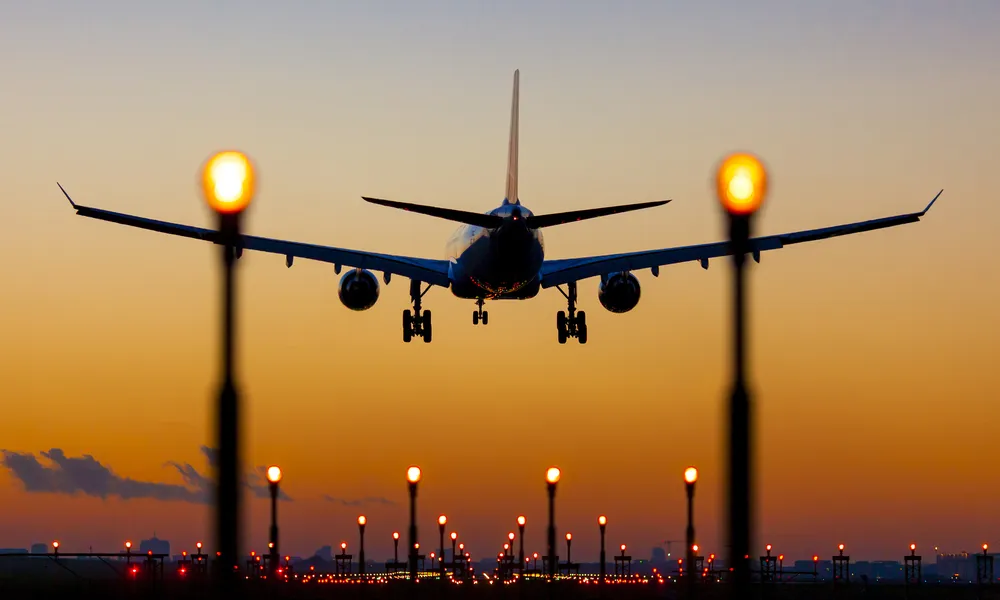

Airlines across the world have begun increasing fares and reducing flight capacity as they attempt to offset the rapid rise in oil prices. Industry forecasts for record profits in 2026 are now under pressure, as the surge in aviation fuel costs forces companies to reconsider pricing strategies and flight schedules.
Rising fuel prices reshape airline strategies
Before the outbreak of the US–Israel conflict with Iran last month, the aviation sector had projected record profits of $41 billion for 2026. However, the doubling of jet fuel prices has placed these expectations in doubt.
Major carriers including United Airlines, Air New Zealand and Scandinavian airline SAS have already announced capacity reductions and fare increases. Other airlines have introduced additional fuel surcharges in an effort to offset rising operating costs.
A “perfect storm” for the aviation industry
Former Olympic Airways chief executive and former easyJet director Rigas Doganis described the current situation as an “existential challenge” for airlines.
According to Doganis, companies may need to lower prices to stimulate demand, which is showing signs of weakening, while at the same time rising fuel costs are pushing them to increase fares. “It is a perfect storm,” said Doganis, who now chairs the London-based consultancy Airline Management Group.
In 2025, global passenger traffic reached a historic high, exceeding pre-pandemic levels by around 9%, despite continued supply chain disruptions that have affected deliveries of new aircraft.
Higher fares and fewer flights
Andrew Lobbenberg, head of European transport research at Barclays, said that airlines typically raise prices by reducing available capacity.
“The only way to increase prices is to reduce capacity,” he said, noting that similar strategies were adopted during previous crises.
United Airlines chief executive Scott Kirby told ABC News that fares may need to rise by around 20% to cover higher fuel costs.
Cathay Pacific Airways has already increased fuel surcharges twice within a month. A return flight from Sydney to London now carries an additional fuel charge of about $800, while before the conflict involving Iran a comparable economy-class ticket cost around 2,000 Australian dollars.
Pressure on low-cost passengers
Low-cost airlines are expected to be more heavily affected, as their customers tend to be more price-sensitive than business travellers and wealthier passengers.
Carriers such as Delta Air Lines and United have increasingly focused on premium travellers, who are less sensitive to price increases.
Nathan Gee of Bank of America noted that cost-conscious travellers may replace even short trips with alternative transport options such as trains or buses.
The fourth oil shock for aviation
The current crisis marks the fourth major oil shock for the aviation sector since the start of the century, following the period before the global financial crisis in 2007–2008, the aftermath of the Arab Spring in 2011 and the energy shock linked to the Russia–Ukraine war in 2022.
Some airlines, including Vietnam Airlines, have also expressed concern about fuel availability due to developments around the Strait of Hormuz.
Industry consolidation during the period 2008–2014, including mergers such as Delta–Northwest and American Airlines–US Airways, reduced the number of major US airlines and strengthened capacity control.
At the same time, low-cost carriers such as Ryanair and IndiGo have relied on uniform aircraft fleets and fast turnaround times to maintain lower operating costs.
Replacing older aircraft with more efficient models remains a key strategy, but supply chain problems and delays involving next-generation engines have slowed the process.
Stronger airlines better positioned
According to Dan Taylor of aviation consultancy IBA, the current crisis is likely to widen the gap between stronger and weaker airlines.
Companies with strong balance sheets, pricing power and access to capital are expected to withstand the pressure more effectively. Airlines with weaker profitability and limited financing options may face increasing financial strain.