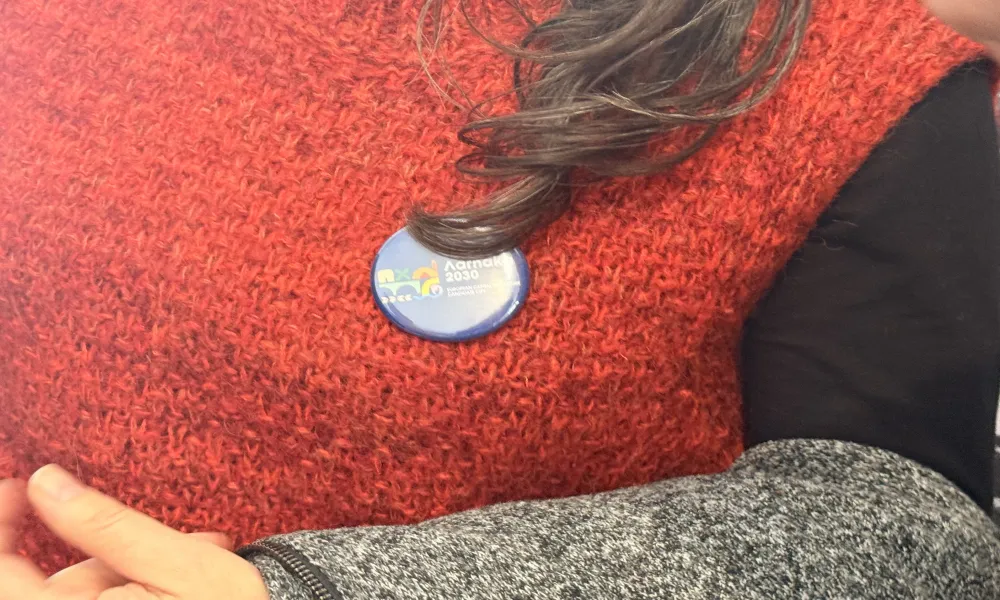
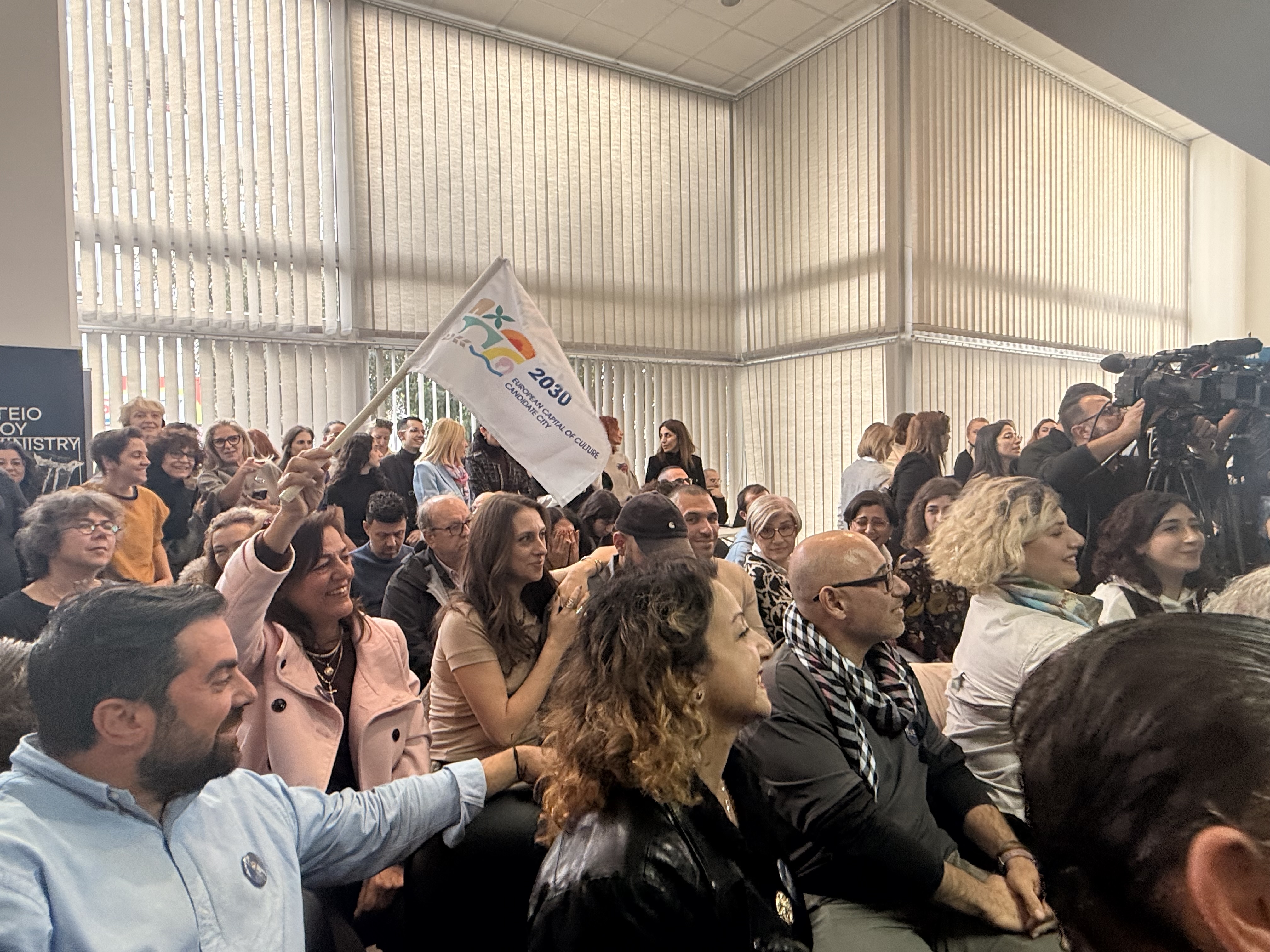
Larnaca has won the title of European Capital of Culture 2030, completing the selection procedure and entering the preparation phase that will shape the programme for 2030. Today’s decision places the city in a position to turn the promise of its candidacy into action.
How the two cities reached the final round
The process began when the Deputy Ministry of Culture issued an open call for applications on 18 December 2023. By the deadline of 16 December 2024, five municipalities had submitted their dossiers: Nicosia, Limassol, Larnaca, Kourion and Ayia Napa.
The proposals were examined by a twelve-member panel of experts appointed by European institutions, with the Deputy Minister selecting the two Cypriot members. The committee consisted of:
- Suvi Innilä,
- Else Christensen-Redzepovic,
- Jorge Cerveira Pinto,
- Erni Kask,
- Tanja Mlaker,
- Matthias Ripp,
- Anthony Attard,
- Jelle Burggraaff,
- Hrvoje Laurentia,
- Andreas Kondylis (excused),
- Athina Aristotelous Kliridou,
- Marios Ioannou Elia.
The five candidate cities presented their vision and plans to the committee in a session held in Nicosia from 25 to 27 February 2025.
At the end of the session, the committee announced the shortlist: Larnaca and Limassol were selected to advance to the second phase.
After the recommendation was approved, the two cities had until autumn 2025 to complete and submit their final dossiers. These were presented during the final stage of the competition this week, from 8 to 11 December 2025, through site visits, presentations and Q&A sessions prior to today’s announcement.
Larnaca 2030 | “Common Ground”
Larnaca developed its candidacy through the organisation Larnaka 2030, centred on the concept of “Common Ground”, an idea that seeks shared space between communities and people. With Kelly Diapouli as artistic director, Larnaca shaped the artistic and conceptual direction of the proposal, placing humanity and coexistence at its core.
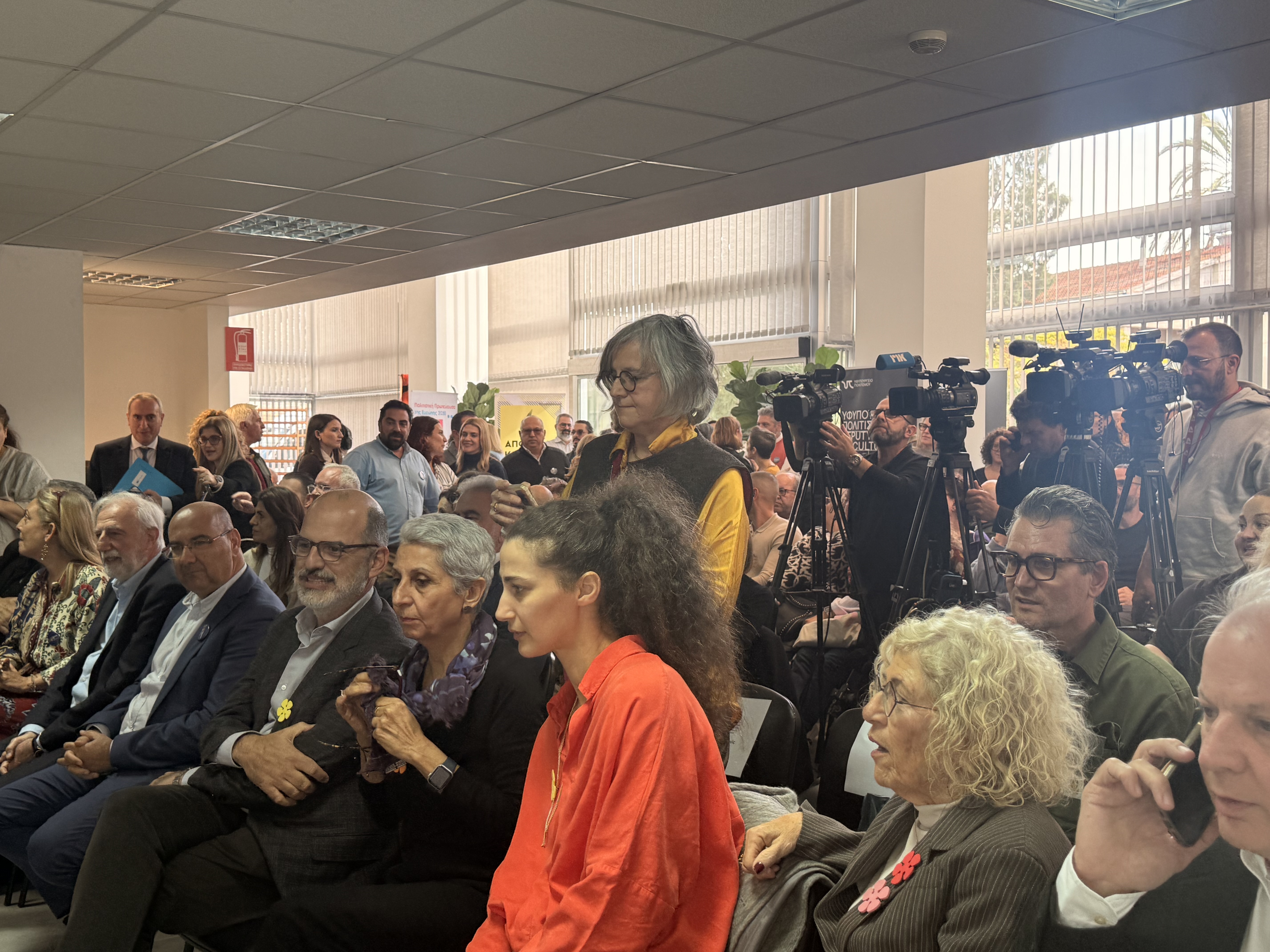
As part of the candidacy, initiatives such as Mahalart, the Larnaka Biodesign Festival and the Care Festival were created, while co-creation processes brought residents, artists and stakeholders into the planning of the city’s vision for 2030.
In western Larnaca, in the area of the former refineries, urban regeneration projects and new cultural spaces are being planned as part of a broader transformation of the seafront—changes closely linked to how the city imagines its future.
Limassol 2030 | “Understory”
Limassol, through the organisation Lemesos 2030 and the proposal titled “Understory”, developed a programme grounded in participation, accessibility and the redefinition of the city through culture.
Under the artistic direction of Eleana Alexandrou, and supported by a large team of cultural professionals and advocates, Limassol implemented a series of actions across neighbourhoods and public spaces: from walks, routes and open gatherings under the initiative “Ekí Éxo Mazí”, to the recurring participatory assemblies “10 10 100”, where residents, creators and institutions discussed needs, priorities and cultural pathways for the city.
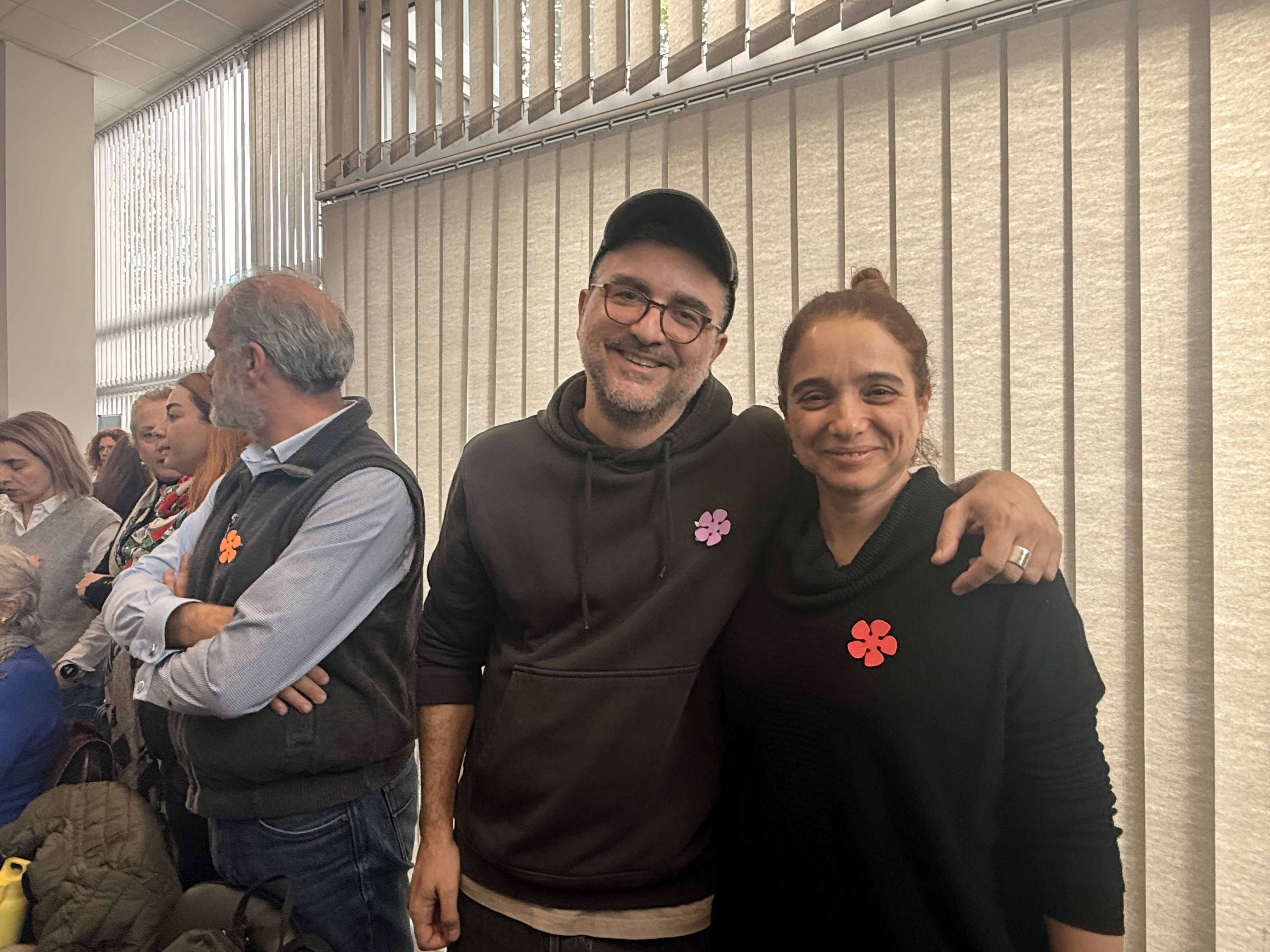
In parallel, the organisation’s open office and the Making Democracy initiative strengthened public dialogue, creating platforms where the everyday life of Limassol met the city’s long-term cultural vision.
Limassol’s candidacy emphasised participation and access, seeking to redefine the role of culture in the city’s daily functioning. Through mapping artists and cultural organisations, the process highlighted both the needs and the potential of the city.
Discussions on cultural policy have also opened up, with groups and creators participating in shaping the next chapter for Limassol.
What comes next for the winning city
Following today’s announcement, Larnaca enters the preparation period, the stage that effectively builds the European Capital of Culture.
The city will now detail its artistic programme, assemble implementation teams, define administrative and financial structures, and initiate collaborations with institutions, organisations and creators.
Part of this phase involves state financial support: by decision of the Council of Ministers, funding for the Capital of Culture has increased from €6 million to €10 million, covering operational costs, administrative needs and programme actions.
Larnaca will also be eligible for the Melina Mercouri Prize, worth €1.5 million, provided it meets the commitments of the institution.
Cooperation with the European Commission will continue in the coming years, with monitoring of progress and regular reports. In the meantime, interventions and cultural actions are expected to begin in public squares, municipal and private venues and neighbourhoods, opening participatory processes that will bring the programme closer to residents.