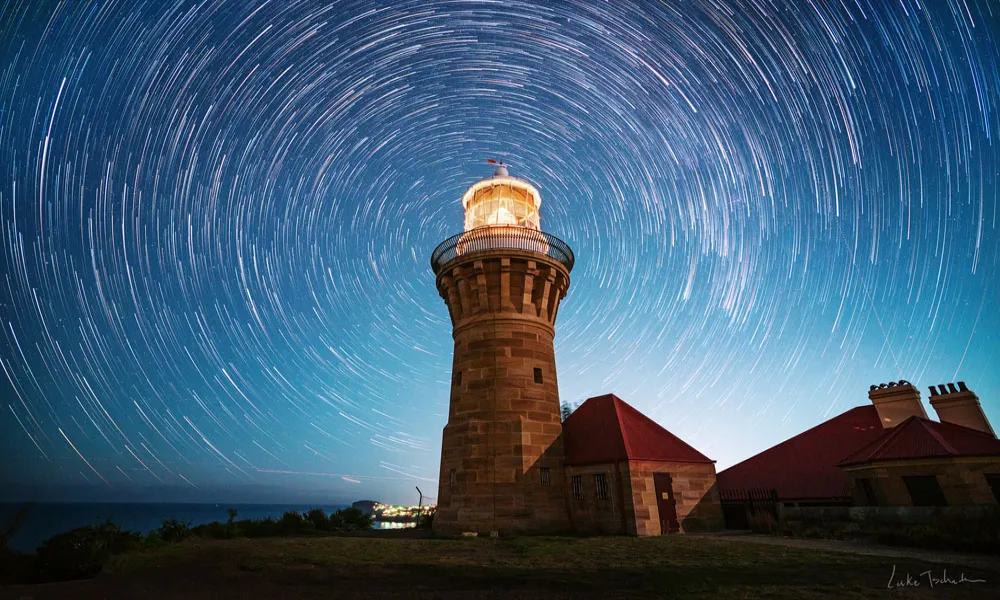

The Cyprus Planetarium will host a three-day international astrophotography experience from 11 to 13 September 2026, offering professional photographers, amateur astronomers and space enthusiasts an opportunity to explore the art and science of photographing the night sky.
The event will feature internationally recognised astrophotographers and educators, including Nico Carver, Cayetana Saiz, Luca Bartek, Vilen Sharifov and Ioannis Doukakis, who will share their expertise, practical techniques and insights behind some of the world's most striking astronomical images.
Where science meets art
Astrophotography is regarded as one of the most demanding and visually spectacular branches of photography.
Its aim is to capture celestial objects, astronomical phenomena and regions of the night sky in a way that reveals details invisible to the naked eye. In doing so, it combines scientific observation with artistic expression, transforming the night sky into a canvas of colours, shapes and cosmic phenomena.
The history of astrophotography dates back to 1840, when the first photograph of an astronomical object, the Moon, was captured. Advances in photographic technology during the 19th century enabled increasingly detailed images of space to be recorded, while improvements in lenses, photographic plates and, later, image sensors made it possible to observe celestial objects with unprecedented clarity.
Revealing the hidden universe
One of astrophotography's greatest strengths is its ability to record objects that cannot be seen without specialised equipment.
Beyond the Moon, Sun and planets, astrophotographers can image faint stars, galaxies, star clusters and colourful nebulae located millions or even billions of kilometres away.
This is made possible by long-exposure imaging, during which cameras and sensors gather light over extended periods, revealing details that would otherwise remain hidden.
Astrophotography has also played an important role in scientific research. Long-term observations and photographic surveys have led to the discovery and documentation of hundreds of thousands of stars, nebulae and other celestial objects that could not have been identified through traditional observation methods.
Although modern astronomy increasingly relies on specialised scientific instruments, astrophotography remains a vital and rapidly growing field, particularly among amateur astronomers.
Today's astrophotographers use advanced equipment including:
- High-sensitivity digital cameras
- Specialised telescopes
- Equatorial mounts
- Advanced image-processing software
The organisers say the Cyprus Planetarium event aims to bring the public closer to this unique discipline by providing knowledge, hands-on experience and inspiration from leading figures in the field.
Event programme
The astrophotography experience will take place at the Cyprus Planetarium and Amiantos Astropark.
A three-day pass covers all activities across the programme.
Opening night and networking
18:00 – Registration and welcome drink
19:00 – Official opening ceremony
19:15 – Welcome to Never Stop Looking Up
19:30 – Meet the guest speakers
20:15 – Dome presentation
21:00 – Dinner and networking reception
21:30 – Stargazing session at the Planetarium Observatory, including equipment demonstrations
For further information, organisers can be contacted on 22 278700.