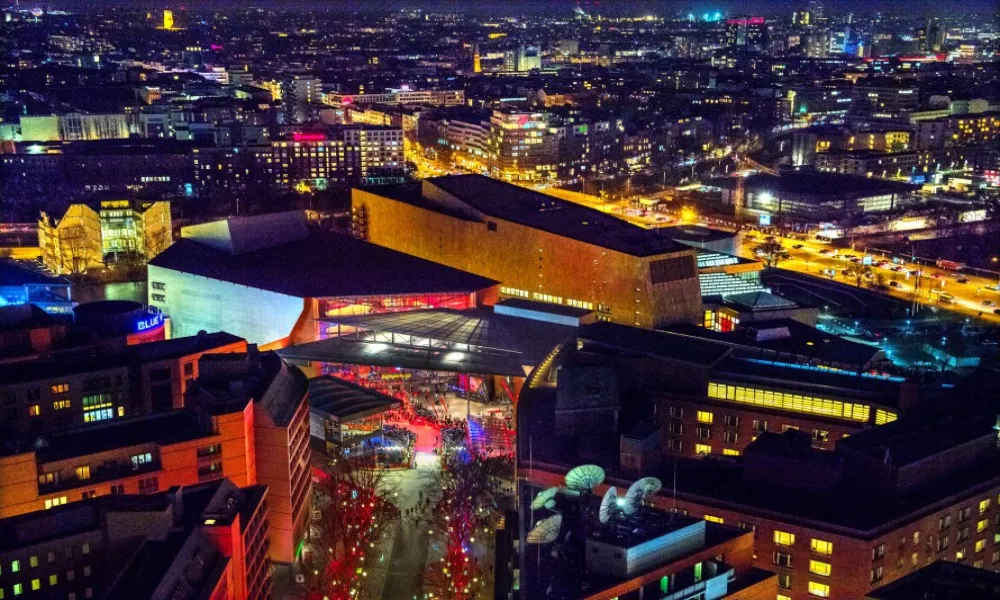

Tensions that surfaced during the Berlinale, involving even cinema greats such as Wim Wenders, have not subsided with the festival’s conclusion. If anything, they appear to be intensifying, a reminder that art, as always, cannot remain untouched by the political and social upheavals shaping the world today, from Gaza to Ukraine and unrest in Iran. These pressures highlight the inescapable intersection of artistic expression and the global climate in which it exists.
On Thursday, more than 500 Berlinale staff, contract workers, and freelancers issued a statement expressing unanimous support for festival director Tricia Tuttle. The open letter praised her clarity, integrity, and artistic vision, emphasizing the loyalty and admiration she has inspired among colleagues invested in the festival’s future. The message highlighted that even amid political pressures, the Berlinale remains a vital platform for cinema and a space where artistic expression cannot be separated from the social and political realities of the world.
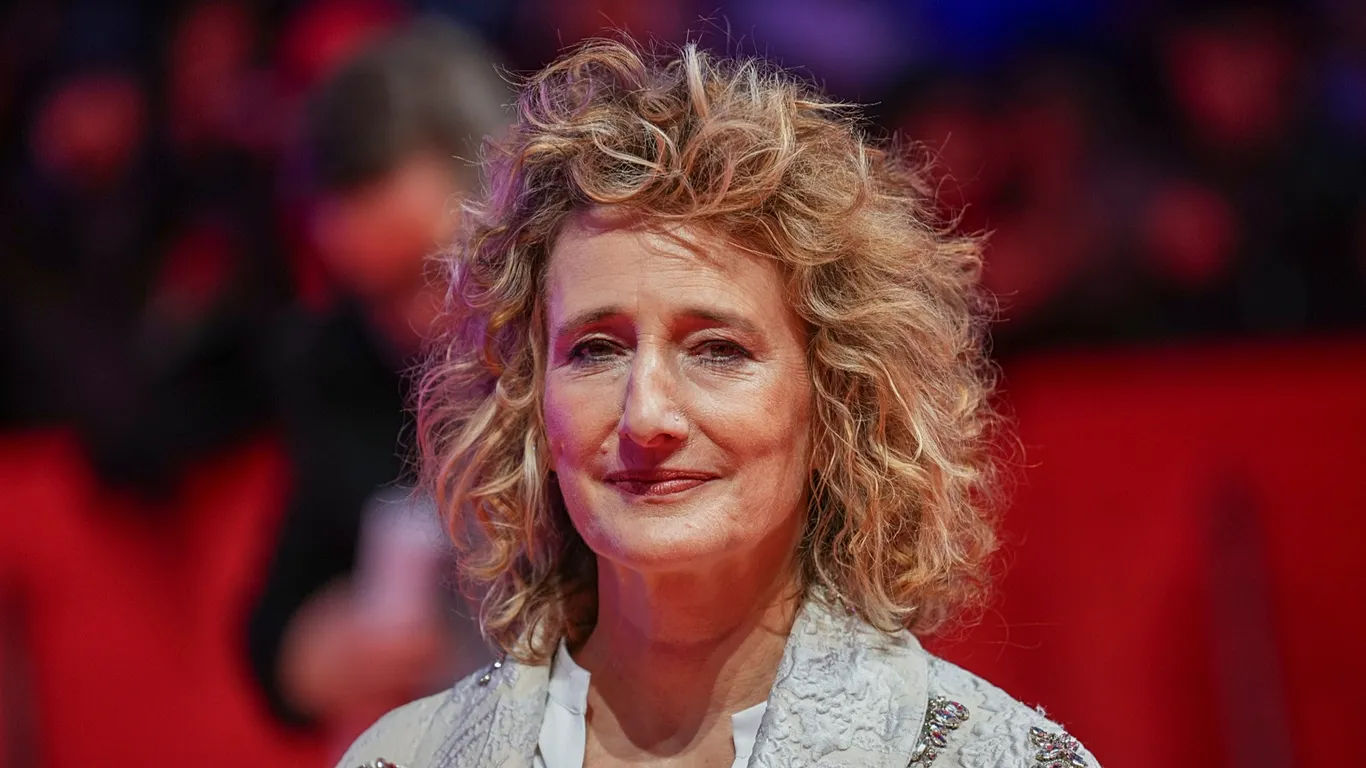
We do not exaggerate when we say, as one, that it is unlikely the KBB Supervisory Board could have appointed a more intelligent, ethical and responsive leader for the Berlinale, nor one more dedicated to the core principles that make this festival a vital platform for cinema in Germany and internationally, the Berninale team said.
The statement was issued following reports that earlier on Thursday, the federal government commissioner for culture and the media convened an extraordinary meeting of the Supervisory Board of KBB GmbH at the initiative of State Minister Wolfram Weimer, who chairs the board, to discuss the festival’s future direction. Reports suggest that Weimer has allegedly called for the replacement of Tuttle, fueling concerns about political interference in the festival’s leadership.
The 76th Berlinale: Politics on and off screen
During the opening week of the 76th Berlinale, the festival’s international jury president, renowned German filmmaker Wim Wenders, sparked controversy with comments about the role of films and politics. When a journalist asked about the ongoing war in Gaza and the German government’s support for Israel, a particularly sensitive topic in Germany given its historical context, Wenders responded that filmmakers should “stay out of politics” and that films can change the world “but not in a political way.” This stance was widely discussed and met with criticism from some artists and commentators who felt it was inappropriate for a festival widely regarded as politically engaged to sidestep such a major humanitarian crisis.
The comments triggered a backlash from segments of the international film community. More than 80 prominent filmmakers and actors, including figures who have previously participated in the Berlinale, signed an open letter condemning what they saw as the festival’s “institutional silence” on Gaza and urging the Berlinale to take a clear stance. Some critics felt that calling on artists to avoid political expression ignored how deeply cinema and artistic discourse often intersect with urgent world issues.
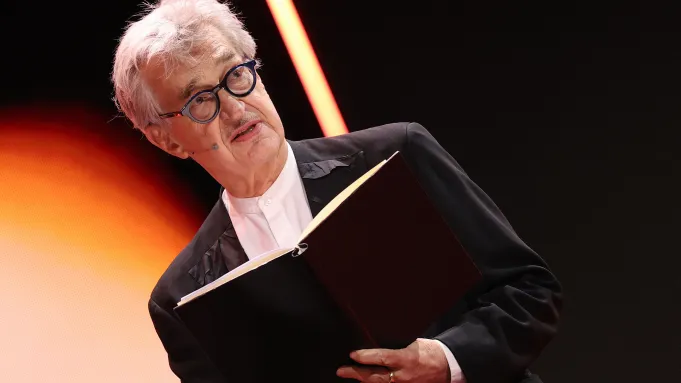
filmmakers had to “stay out of politics” in answer to a question on the festival’s failure to
publicly declare support for Palestinians in the wake of Israel’s deadly military campaign in Gaza
The controversy intensified later in the festival’s awards ceremony, where Palestinian‑Syrian director Abdallah Al‑Khatib used his acceptance speech for a major prize to sharply criticize the German government’s role in relation to the Gaza conflict, saying in front of the audience that Germany was “partners in the genocide in Gaza by Israel.” His speech, delivered with a Palestinian flag draped over his shoulders, drew a walkout from German Environment Minister Carsten Schneider and fueled further political debate around the festival.
These events, including Wenders’ remarks about keeping art outside of politics, award winners’ outspoken criticism of global conflicts, and the ensuing public and political reactions, have set the stage for the intense scrutiny the festival has faced since its conclusion, and it seems likely that further developments are still to come.
Wim Wenders addressed his tumultuous term as president of the jury at the 76th Berlinale at its closing ceremony on Saturday, suggesting filmmakers and activists need to work together rather than be at odds.