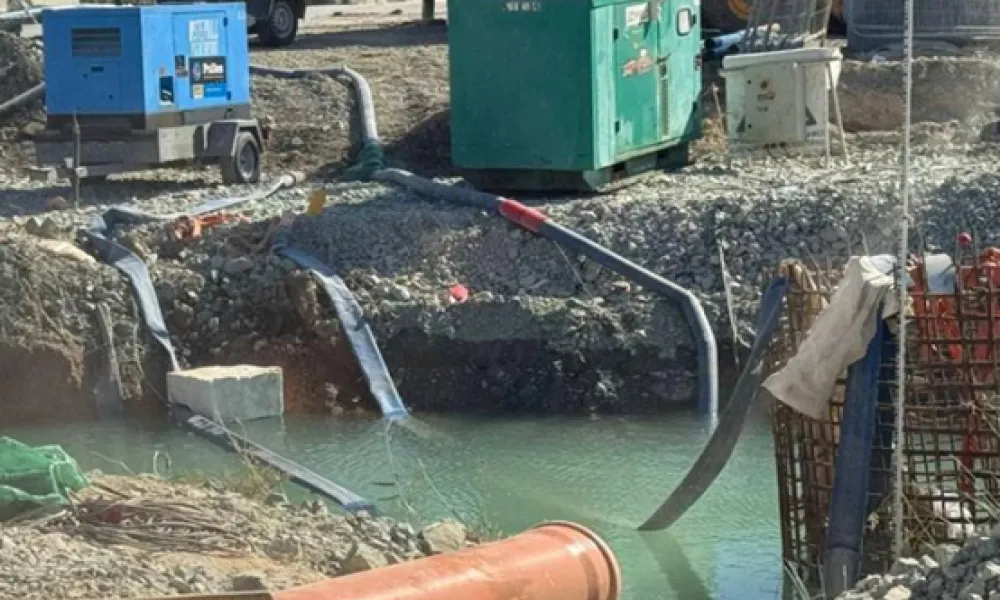
BirdLife is asking:
-
What is the source of the abnormal water inflows recorded in the Salt Lake and Lake Makria?
-
Which permits for water extraction, drainage, and discharge have been issued and to whom?
-
Have connections from construction sites or developments to stormwater drains been authorised?
-
Are legally binding environmental conditions for completed or ongoing projects being complied with?
BirdLife Cyprus is urging the authorities to reply to the above key questions about water pollution and habitat degradation, raising serious concerns over the ecological health of the Akrotiri wetlands.
The group warned that the situation is not only an environmental issue but also a matter of public health, noting that recent field visits in November 2025 revealed large amounts of water during a period of complete drought, as well as stagnant, foul-smelling water and overflowing stormwater drains with no prior rainfall. “Uncontrolled discharges from construction sites into stormwater systems must be investigated immediately,” BirdLife said.
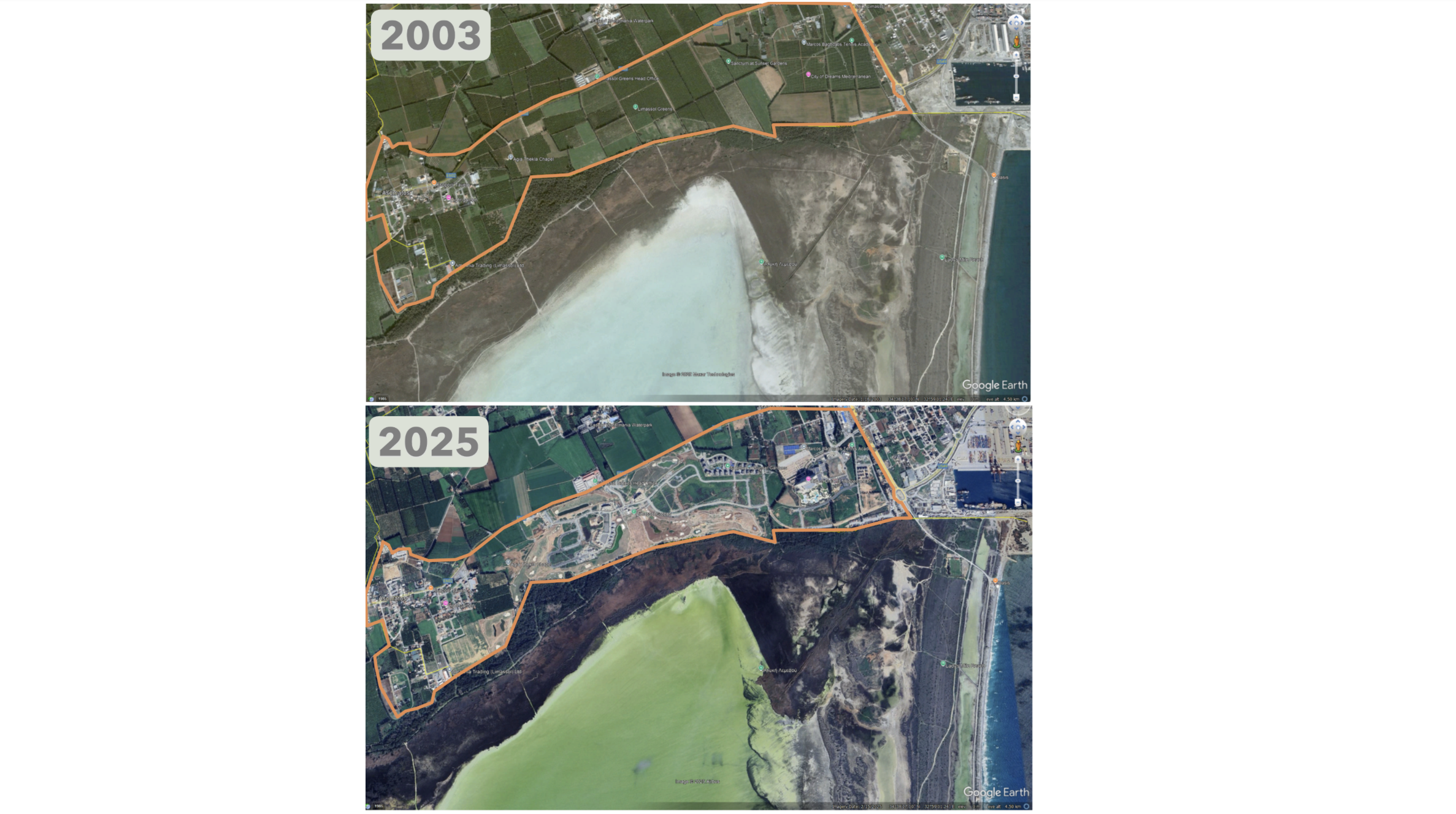
In a press release, the group further emphasised that the situation is not only an environmental issue but also a matter of public health. They noted that recent field visits in November 2025 revealed large amounts of water during a period of complete drought, as well as stagnant, foul-smelling water and overflowing stormwater drains with no prior rainfall. BirdLife Cyprus noted that uncontrolled discharges from construction sites are seriously disrupting the wetlands’ hydrological regime and natural processes.
Water quality measurements indicated elevated concentrations of E. coli in some areas. Meanwhile, the flamingo population has plummeted to historic lows. In January 2025, only around 30 flamingos were recorded at Akrotiri Salt Lake, the lowest since systematic counts began in 1992, compared with an annual average of approximately 3,800 birds.
BirdLife Cyprus added that it has sent two official letters to government ministers and filed a complaint with the Department of Environment, but said it has received no clear responses. In its latest correspondence, the organisation stated, “Extensive tourism, residential and commercial developments in recent years, with large areas of soil sealing and increased drainage needs, appear to have altered the hydrological balance of the watershed and the salt lake. Uncontrolled discharges from construction sites into stormwater systems must be investigated immediately.”
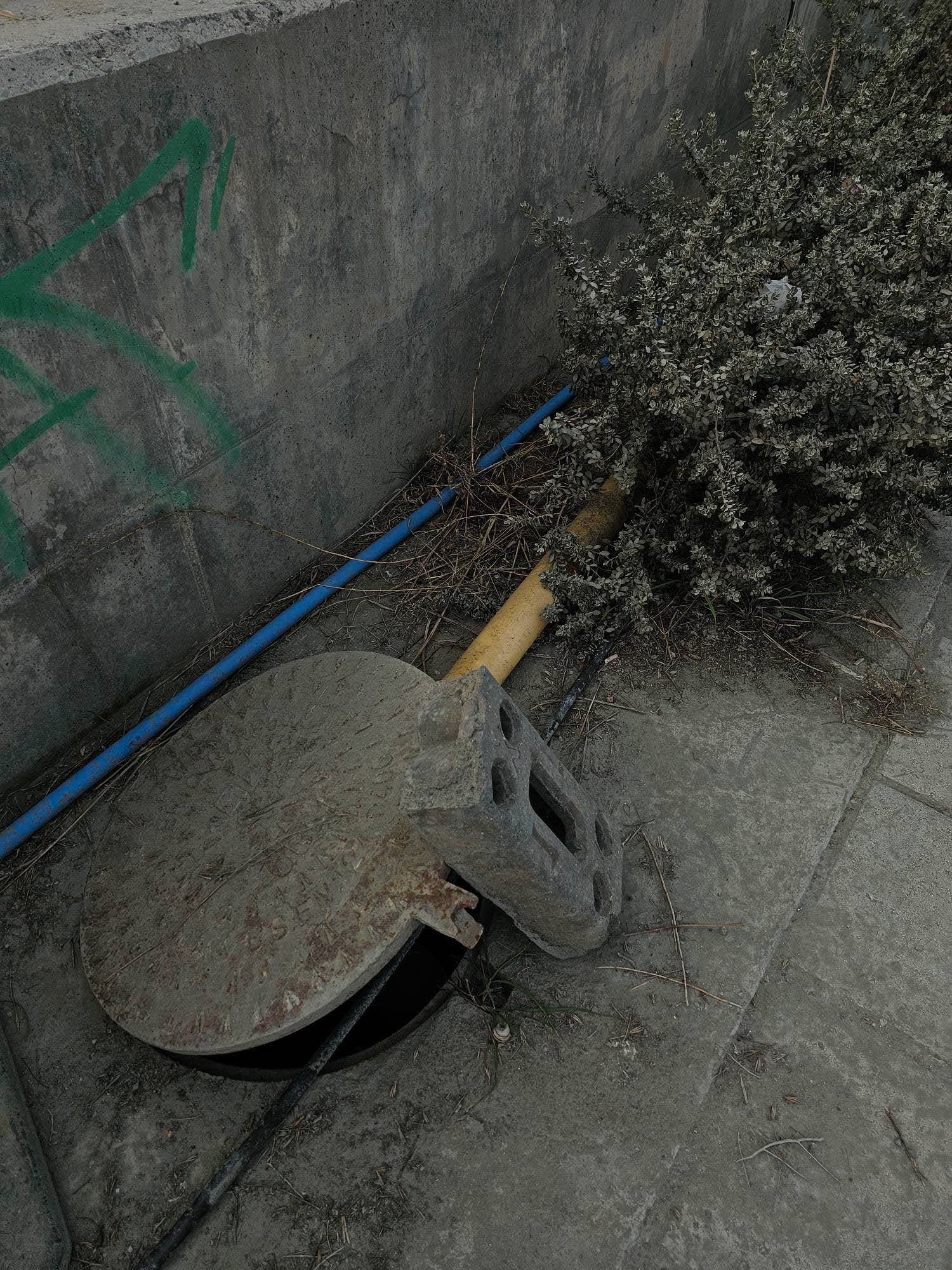
Melpo Apostolidou, Director of BirdLife Cyprus, said, “Akrotiri Salt Lake shows signs of serious environmental degradation that can no longer be ignored. Water inflows without prior rainfall, the foul odour, and the drop in flamingo numbers are clear indicators that the ecosystem is in crisis.” She added, “The responsible authorities must provide immediate answers and solutions and ensure that all developments comply with their environmental permit conditions. We need full investigation, transparency, data disclosure, and immediate restoration measures.”
BirdLife Cyprus also called for environmental organisations to be included in the newly established technical committee for Akrotiri Salt Lake to ensure that decision-making is transparent, based on scientific data, and involves all stakeholders.