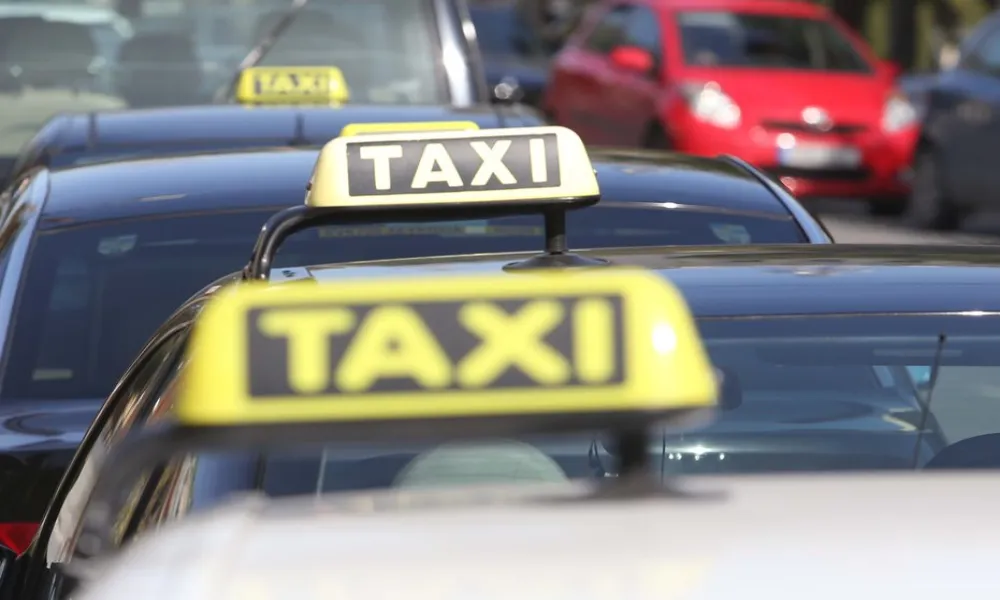
The House of Representatives has unanimously approved stricter measures to address the illegal transport of passengers, adopting the Road Passenger Transport (Amendment) Law of 2026.
The law, based on a proposal by Alekos Tryfonides, aims to more effectively combat the phenomenon of so-called “pirate taxis” through increased penalties and stronger administrative sanctions against individuals transporting passengers without the required road use licence.
Stronger powers for the Licensing Authority
Under the final amendments adopted by the Parliamentary Committee on Transport, Communications and Works, the Licensing Authority will be able to file charges before a court for criminal offences provided for in the legislation.
Administrative sanctions are also significantly strengthened, as the requirement for a repeat offence before penalties could be imposed has been removed, allowing sanctions from the first recorded violation.
Specifically, the law provides for the suspension of a Category B driving licence and the suspension of the vehicle’s registration licence used to commit the offence.
Vehicle immobilisation and fines
The legislation also introduces the possibility of detaining or immobilising the vehicle involved, while the duration of sanctions has been modified.
Instead of applying for a fixed period of three months, the sanctions will now remain in force until the administrative fine imposed has been paid.
MPs highlight scale of illegal taxi activity
Presenting the proposal during the plenary debate, Tryfonides said the aim is to effectively address illegal passenger transport, noting that the phenomenon of “pirate taxis” has grown to worrying levels in recent years, affecting fair competition, licensed professionals and public safety.
He said the proposal followed consultations with the Minister of Transport, authorities and professional groups, stressing that issues of proportionality and constitutionality were taken seriously into account.
Although the Legal Service’s opinion was respected, he said policy decisions ultimately belong to the government and Parliament, adding that the Legal Service should facilitate the work of the state in serving citizens.
Concerns about enforcement
Independent Socialist MP Kostis Efstathiou said the proposal highlights two key problems in Cyprus legislation, primarily its enforcement.
He noted that the main challenge is proving offences committed by pirate taxis, adding that this difficulty undermines professional drivers. He referred to practices in other countries, such as restricting access to airports without the appropriate licence.
Efstathiou also raised concerns about the proportionality of the penalties, noting they could potentially be challenged as unconstitutional, but said he would support the bill to send a clear message that illegal taxi activity must end.
Broad political support
From the Democratic Rally, MP Dimitris Demetriou described illegal taxi operations as a major issue driven by high demand, limited supply and insufficient control mechanisms.
He said the proposal does not fully resolve the problem, but could help reduce the phenomenon, while emphasising the need to implement the Licensing Authority’s study recommending an increase in taxi licences.
From AKEL, MP Valentinos Fakontis said the phenomenon of illegal taxi operations is widespread, creating unfair competition and raising concerns for both licensed drivers and passenger safety. AKEL said it would support the proposal, while also expressing reservations about the proportionality of the fines.
Democratic Party (DIKO) MP Panicos Leonidou also expressed support, saying the proposal moves in the right direction to tackle illegal taxi operations.
Source: CNA