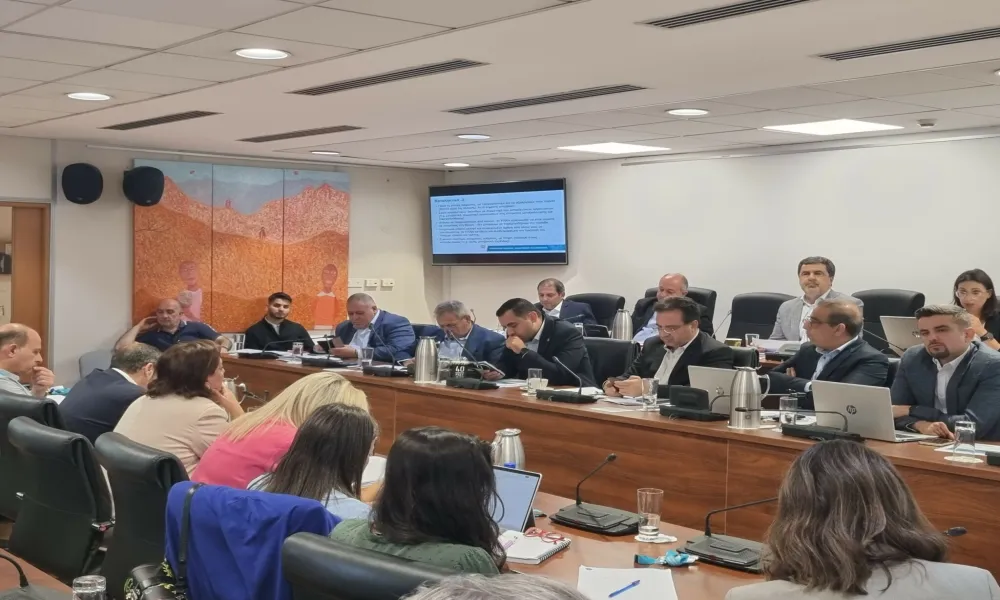

Consultations have finally begun, albeit at a slow pace, between the Ministry of Education and relevant stakeholders on the long discussed and much needed reform of the legislation governing Special Education. However, as became clear during Tuesday’s discussion at the House of Representatives Education Committee, simply amending the law will not be sufficient.
Teachers, parents and representatives of patient organisations and disability groups told MPs and the Ministry of Education that far more needs to be done, and that substantial resources must be allocated, before the Cypriot school system can truly be described as inclusive.
Political will wanted
Interventions by parents and organised groups highlighted the long standing nature of the problems in Special Education. It was noted that delays in decision making and consultation have a direct impact on children themselves, who experience daily the consequences of a system that fails to meet their needs adequately.
Parents stressed that legislative change alone cannot resolve the problems unless it is accompanied by the necessary infrastructure and adequate funding. They also pointed out that many families are forced to fill gaps that should be addressed institutionally, particularly with regard to support for children and young people with disabilities after the age of 21. At the same time, the absence of a coherent mechanism to monitor and implement Special Education policies was underlined, leading to piecemeal solutions and unequal treatment.
Understaffing and overcrowding
Representatives of teachers’ organisations POED and OELMEK said that the transition to an inclusive education system requires long term planning and significant financial resources. They stressed that changes cannot be implemented overnight and highlighted the need for a gradual rollout of any reforms.
Serious understaffing issues were also raised, particularly concerning school assistants, as well as overcrowding in special school units, especially in Nicosia.
The discussion also included an intervention by Eleni Ftiaka, Professor of Sociology of Education and Inclusive Education at the University of Cyprus, who identified training as a top priority. She said the fundamental problem in education is that policies are not accompanied by systematic training for those tasked with implementing them, in this case teachers.
Professor Ftiaka noted that the funds allocated are not insignificant, but stressed that the issue lies not only in the level of spending but in how resources are distributed. She also raised concerns about the lack of effective oversight and evaluation of how funds are used, while pointing out that Cyprus has the necessary expertise to move towards a more inclusive education model.
She concluded by emphasising the need for political will and coordination so that existing knowledge and capabilities can be translated into concrete action.