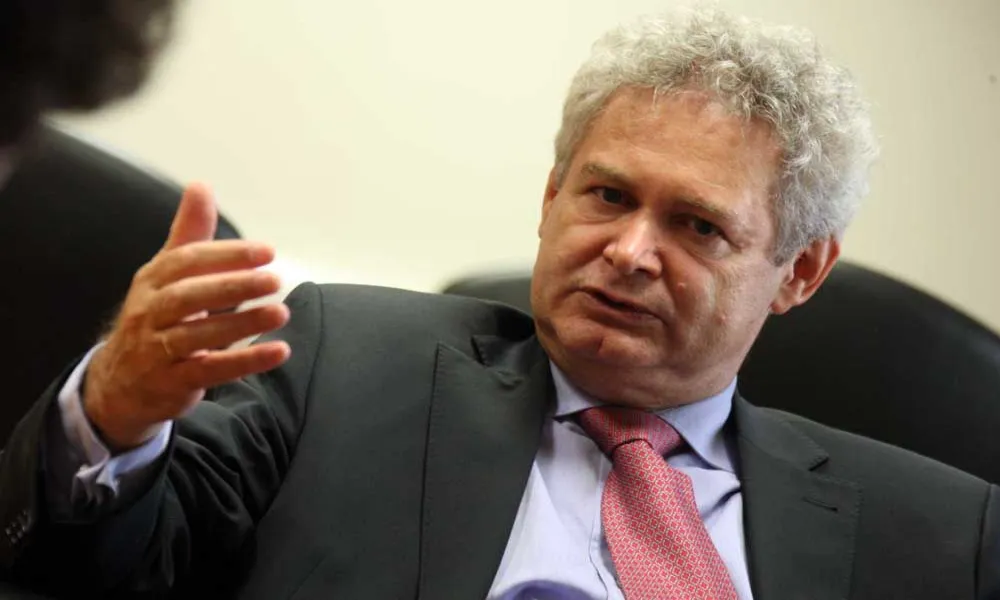

Honorary Ambassador Andreas D. Mavroyiannis has been elected President of the United Nations International Law Commission. The election took place on Monday in Geneva, on the first day of the commission’s 77th session.
According to a statement issued by Mavroyiannis, his mandate as president will cover the entire duration of the current session and will extend until April 2027.
Role of the International Law Commission
The International Law Commission is a subsidiary body of the United Nations General Assembly. It consists of 34 members elected by the General Assembly for five-year terms through a secret ballot.
Members serve as independent experts representing all geographical regions. They are typically distinguished professors and specialists in international law, legal advisers to governments and diplomats.
The commission’s mandate is to promote the codification and progressive development of international law. Established in 1949, it has contributed to the drafting of numerous United Nations multilateral conventions and other legal instruments.
Composition of the bureau
Alongside Andreas D. Mavroyiannis, the commission elected several officials to its bureau.
Alioune Sall of Senegal was elected First Vice-President, Alina Orosan of Romania as Second Vice-President, Rolf Einar Fife of Norway as Chair of the Drafting Committee, and Claudio Grossmann Guiloff of Chile as Special Rapporteur.
Source: CNA