

The United States Department of Justice has begun releasing hundreds of thousands of documents linked to the Epstein scandal after months of delays and evasions by Donald Trump on the issue.
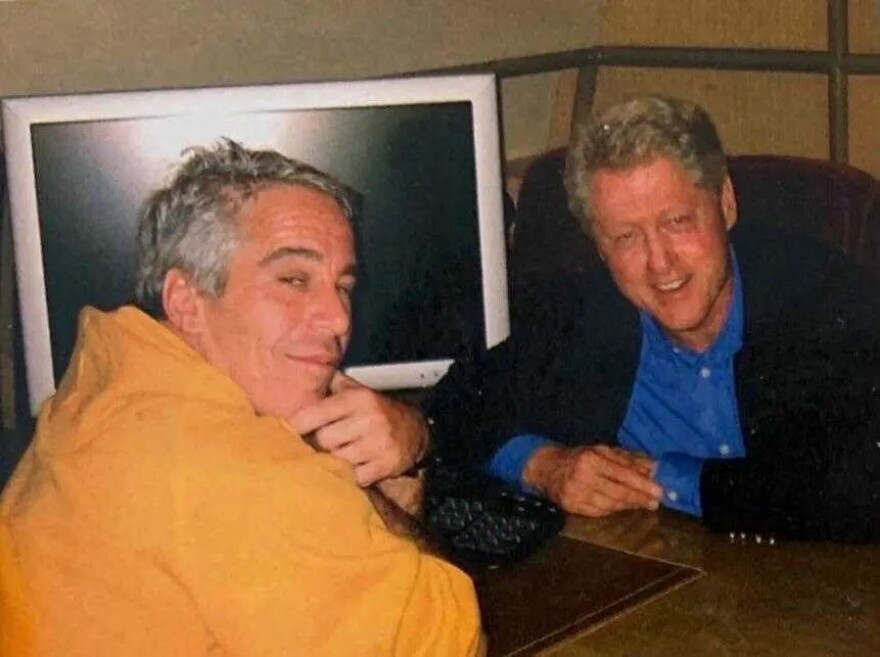
Recent releases from the Epstein files include a series of photographs showing Bill Clinton alongside young women during trips linked to Epstein’s network. The images do not, on their own, indicate criminal behaviour and no allegations against Clinton appear in the documents published so far. Their emergence, however, has renewed public scrutiny of his long-standing association with Epstein and has intensified questions about how influential figures moved within Epstein’s social and political orbit. The newly released documents are expected to shed new light on his relationships with high-profile figures, including the Republican president himself.


Although Donald Trump campaigned in 2024 on a promise of full transparency, he spent months unwilling to honour that commitment. He eventually dismissed the matter as a “hoax,” claiming that it had been weaponised by the Democratic opposition.
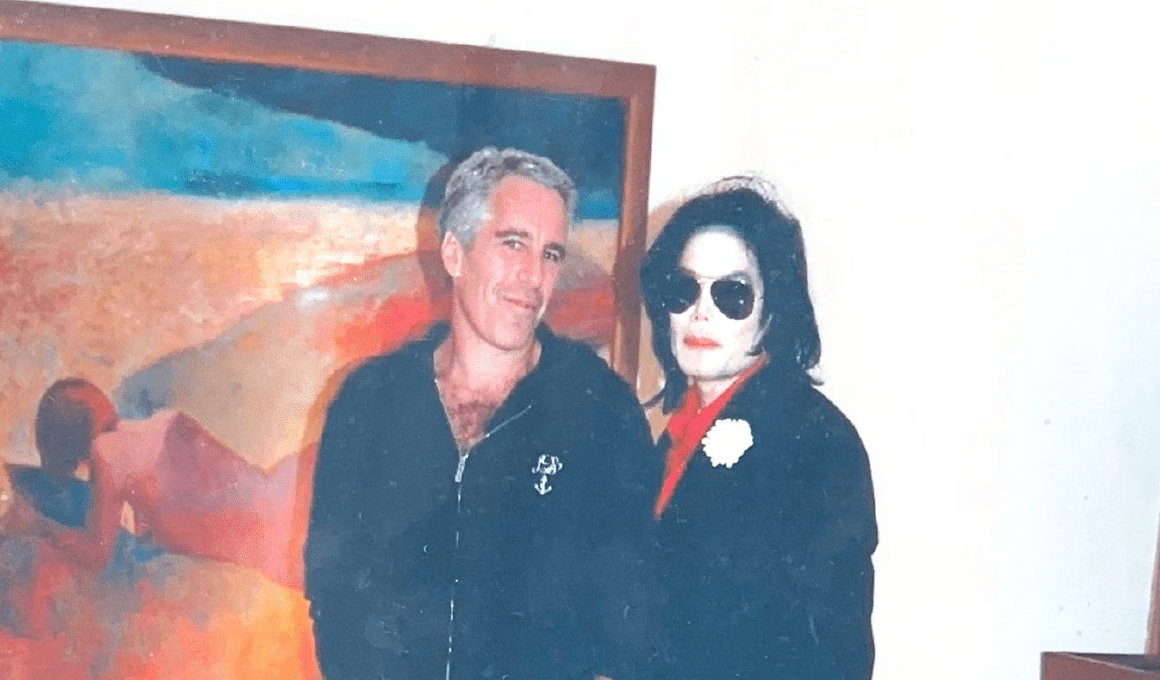
For more than a decade, the name Jeffrey Epstein has represented a form of impunity. He was a wealthy financier who moved easily in political and cultural circles while running a trafficking operation that targeted girls as young as fourteen. His 2019 death inside a New York federal jail, officially ruled a suicide, did not close the story. In many ways it intensified it. The public wanted to understand how a man who had already pleaded guilty in 2008, and who had been repeatedly flagged by law enforcement, continued to operate for years. They also wanted to know who enabled him.
This is the context behind what is now known as the Epstein files. It is not a single dossier or a mythical list of names. It is a vast archive of documents generated through investigations, court proceedings and intelligence leads that span several decades. These files are now being released, and the process is uneven and politically charged.

A law with unusual bipartisan strength
In November 2025 the Epstein Files Transparency Act became law. The House passed it with 427 votes in favour and one against. The Senate approved it unanimously. The law requires the United States Department of Justice to publish all unclassified Epstein-related material within thirty days. The scope is unusually wide. It covers documents connected to Epstein, Ghislaine Maxwell and anyone linked to the investigation, unless disclosure harms national security or affects an active case.
The deadline arrived on 19 December. The Justice Department released thousands of pages, but the release was incomplete. Lawmakers from both parties immediately accused the department of withholding critical records. These include early prosecutorial memos and correspondence that may explain how Epstein received an extremely lenient plea deal in Florida in 2008. The department responded with a brief statement and promised that more documents are coming.
What has been released and what is still missing
The material published so far includes flight logs, emails, photographs and investigative files. Some of the photographs show Epstein with public figures, including Bill Clinton. None of these individuals are accused of criminal activity in the released material. The batch also contains documents from Maxwell’s 2021 conviction. The names of more than one thousand two hundred victims and witnesses are redacted.
Important gaps remain. Key Justice Department memoranda are not included. Portions of the FBI’s internal communications are still sealed. Several early witness interviews are missing. These omissions have strengthened concerns that the department is releasing material selectively.
The persistent fiction of a secret client list
The idea of a secret client list resurfaces every time new documents are published. After months of speculation, a Justice Department and FBI review concluded in July 2025 that no such list exists in the investigative record. The review did not stop the rumours. The incomplete release and the political pressures surrounding it have kept the narrative alive. The reality appears more uncomfortable and less dramatic. Epstein benefited from systemic failures, fragmented oversight and preferential treatment that allowed him to move undetected for long periods.
Why the files matter now
The release highlights several broader issues. Institutions struggled to coordinate investigations into a wealthy and well-connected individual. Victims were often minors who feared retaliation and lacked support. Oversight mechanisms broke down repeatedly. The files also expose the political cost of transparency. Some documents touch on individuals who remain in public life, which complicates the process.
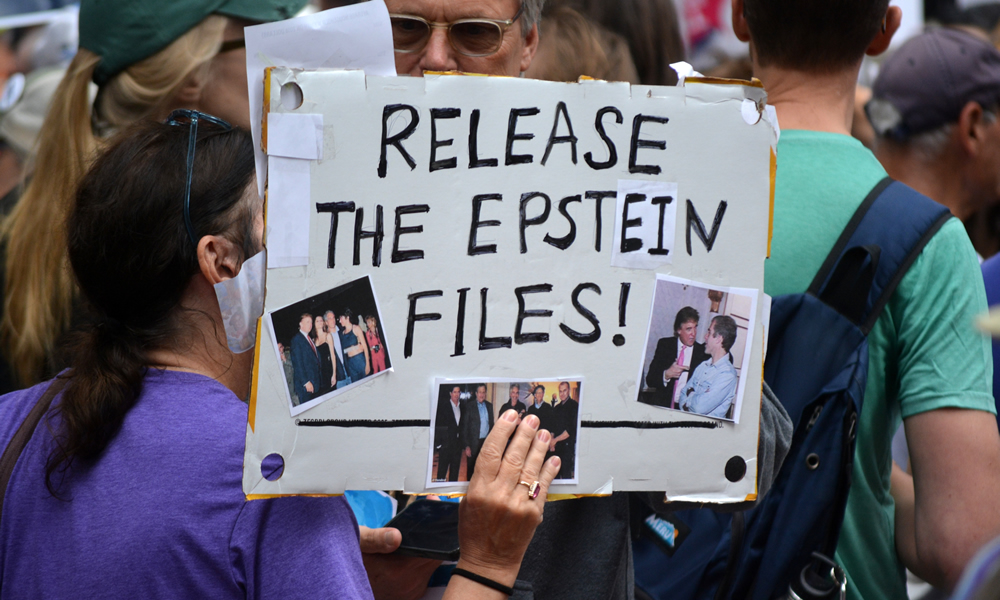
Maxwell’s legal team continues to pursue avenues to overturn her conviction. This effort may delay the release of additional documents. At the same time journalists, researchers and advocacy groups are examining the newly published material to map patterns of conduct and institutional failure.
There is no single revelation that explains the entire story. The files offer many smaller ones. Together they form a record of complicity, neglect and power that accumulated over decades. The demand for full disclosure reflects a wider expectation that institutions must be accountable, even when the individuals involved are influential.