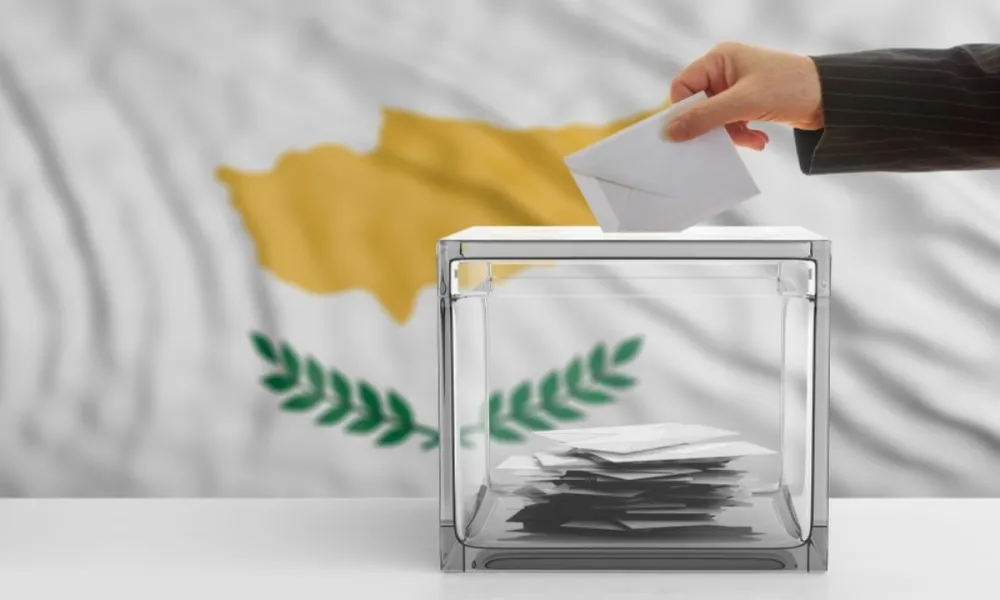
In these 100 or so days, much will be decided about what, or rather how, the new House of Representatives will look following our vote on 24 May 2026, and with which Parliament we will close the third decade of the 2000s and step into the fourth.
All indications suggest that the new House of Representatives will bear no resemblance whatsoever to those we have known so far. Traditional parties, large and small, will be put to a severe test and will either enter the new Parliament significantly weakened compared to before, or some will not enter at all and will be led to dissolution.
There is undoubtedly an explanation for this. They did not take seriously the messages that society had been sending them for years, they remained attached to policies and agendas of the past, they did not fight phenomena of corruption and entanglement as they should have, they became alienated from citizens and, through their attitudes, choices and practices, contributed to the gradual devaluation of politics.
Some may say that for these and many other reasons they deserve to be punished. There is no objection to that.
The question, however, is whether there are alternative choices that both want and are able to bring a new ethos, new policies and the broader change that society demands, and whether these alternatives will be better than those which, despite their mistakes, weaknesses and incompetence, dominated our political scene for many years.
And since the political landscape with which we will be heading to the polls is already formed and nothing else can emerge in the remaining 100 or so days, this is precisely what we, as citizens, must reflect on before making our final choices.
That is, we must seriously consider what kind of positive change can be brought by the racist and far right ELAM, or by the personality driven movement of the former Auditor General, which was born not out of the needs of the times but out of his personal need for revenge and which would not even exist today had he not been removed from his post by the court, or by the marginal and entirely apolitical mishmash represented by Faidias.
We should also seriously consider, before standing in front of the ballot box, what a future House of Representatives will look like and how it will be able to function and reach outcomes and decisions if half or more of its seats are occupied, as current opinion polls at least suggest, by far right figures, racists, populists, revanchists and politically immature and irresponsible entertainers.
The vote is the citizen’s power to correct situations for the better. It should not be cast lightly or in anger, but with reason and responsibility. The next 100 or so days are precisely the most appropriate time for each of us to engage in that responsible reflection.