The ceasefire in the Middle East is facing one of its most serious tests yet, with southern Lebanon emerging as the most dangerous front in the US-led effort to prevent a renewed war between Israel and Iran.
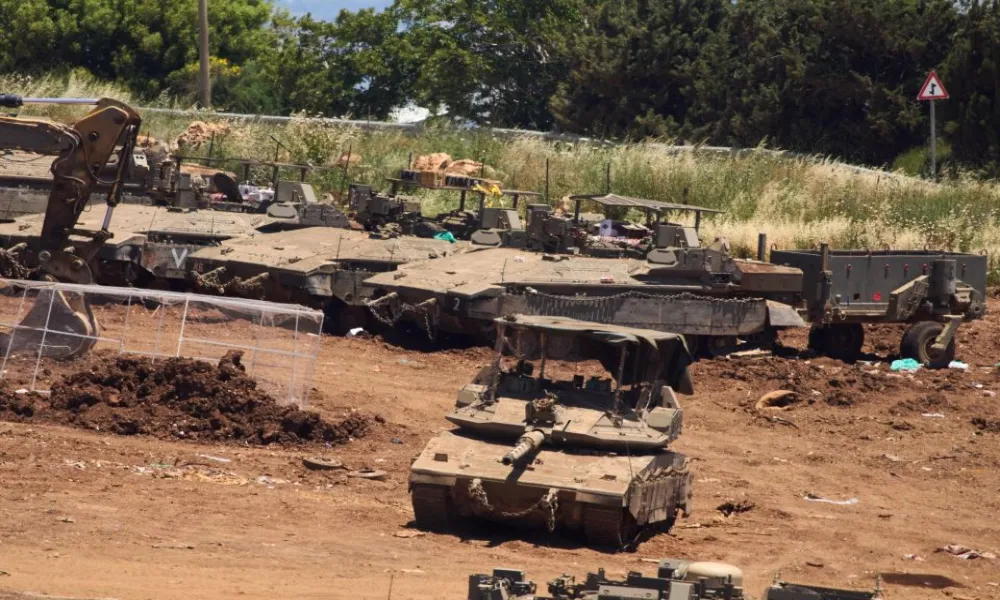
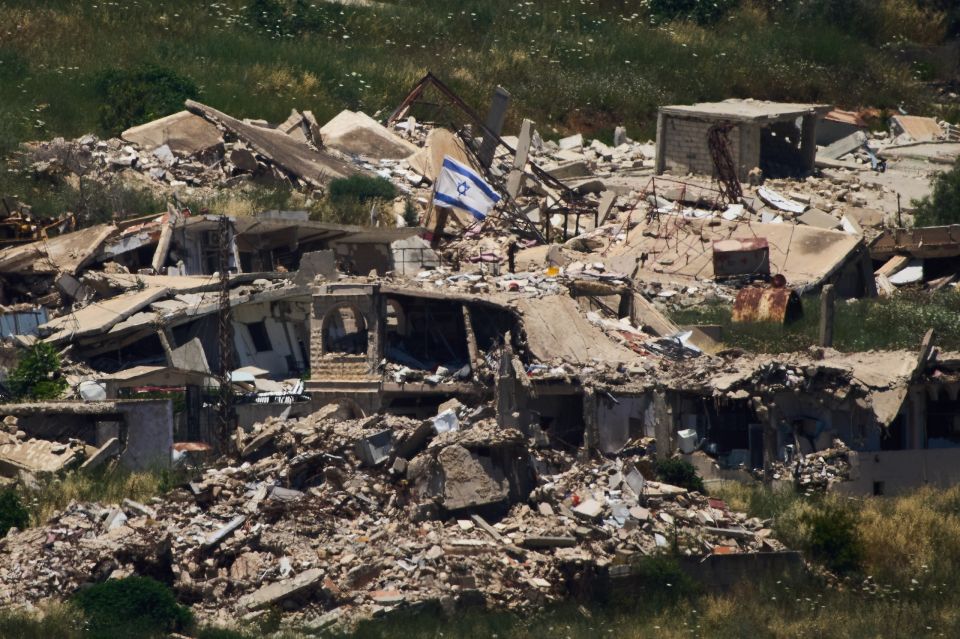
Israel launched new strikes in Lebanon after ordering evacuations in Tyre and its suburbs, including a Christian neighbourhood, saying Hezbollah had violated the ceasefire agreement. Al Jazeera Arabic reported that a drone strike hit Nabatieh, while Israel’s Kan News, citing Lebanese media, said Israeli fighter jets struck an area near Tyre.
The operations come at a critical moment. Iran has announced the end of its military operations against Israel, while warning that it will respond more forcefully if Israel continues what Tehran describes as “aggression”, including on the Lebanese front.
Pressure on Netanyahu
Washington’s message to Israel has become increasingly complicated. Donald Trump is trying to present himself as the leader capable of securing a broader agreement with Iran, but Israeli strikes in Lebanon and the risk of a new confrontation with Hezbollah are testing the limits of American influence.
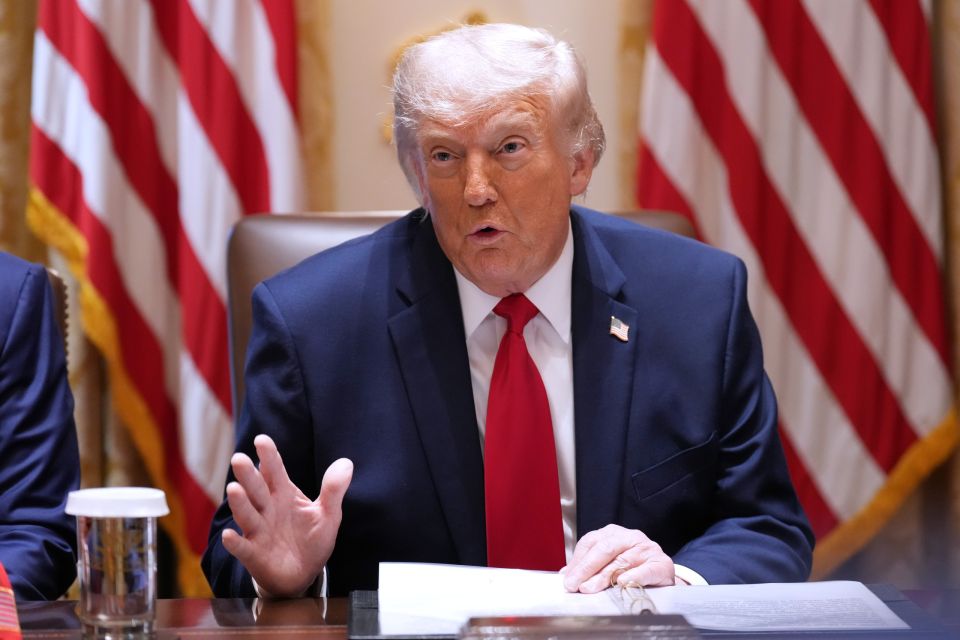
Trump told ABC News he had spoken by phone with Israeli Prime Minister Benjamin Netanyahu and told him to “use his own judgement”. At the same time, he warned him not to undermine efforts to reach a peace agreement with Tehran.
According to Trump, a framework deal with Iran could emerge in the coming days, with the diplomatic process now in its final stages.
US Vice President JD Vance was even more explicit. Speaking to Fox News, he said the United States and Israel share many interests, but that there are also moments when their interests diverge.
The main US objective in Iran, Vance said, is to ensure that Tehran does not obtain nuclear weapons. “Israel may like that, Israel may not like that,” he said, adding that Washington sees this position as consistent with the American national interest.
Lebanon as the flashpoint
Israel stopped its strikes against Iran at Trump’s request. The Lebanese front, however, remains open.
A senior Israeli official has warned that if Hezbollah continues attacks on Israeli cities, Israel will strike the southern suburbs of Beirut. That is the point at which the ceasefire could begin to unravel.
The conflict is no longer confined to Israel and Iran. Lebanon has become a volatile buffer zone between Hezbollah, Israel and Tehran, with any escalation there capable of pulling the wider region back into conflict.
According to Axios, Trump allegedly told Netanyahu to “be careful or he will be on his own very soon”, as Israeli attacks on Beirut and Iran threatened the US effort to de-escalate with Tehran.
If that account reflects the tone of the conversation, it suggests that relations between Washington and Tel Aviv are entering a more difficult phase. US support no longer appears to amount to unconditional cover for every Israeli operational decision, especially when those decisions risk undermining a deal Trump has repeatedly described as nearly ready.
Trump’s repeated predictions
CNN has reported that, even before the ceasefire, Trump had said at least 38 times that a deal with Iran was close or that Tehran was ready to accept one.
The first such reference came on 23 March, when Trump spoke to reporters outside Air Force One about supposed peace talks and referred to “big points of agreement”. The next day, he said he thought the deal would be completed. On 25 and 26 March, he sharpened the language, claiming Iran wanted a deal “so badly” and was “begging” for one.
On 29 March, asked whether he expected an agreement within the following week, he said yes. On 6 April, he said the two sides had been “very close” before talks became stuck, and on 7 April he announced the ceasefire, initially presented as a two-week window to finalise the agreement.
Despite the absence of a final deal, Trump continued to speak as though a diplomatic breakthrough was imminent. On 15 April, he told Fox Business that the war was “very close to being over”. On 16 April, he said the prospects for a deal with Iran “looked very good”. A day later, in three separate public appearances, he said Iran had “agreed to everything”, that a deal could come within “the next day or two” and that there were not many major differences left.
On 20 April, he wrote on Truth Social that everything would happen “fairly quickly”. When that did not happen, he insisted on 30 April that Iran was “dying” to make a deal, and on 1 May said the war would not last long.
Even when he acknowledged that earlier predictions had not materialised, he did not abandon the claim that an agreement was close. On 18 May, he said he was delaying military strikes for “two or three days” because countries in the Middle East believed negotiations were very close to producing a deal. He admitted there had been other moments when everything appeared ready, only to go nowhere. “This time is a little different,” he said.
AP Photo/Jacquelyn Martin
The risk of overconfidence
Trump’s insistence that a deal with Iran is almost complete creates both political and diplomatic risk. It may be designed to pressure Tehran and Tel Aviv. But the longer those predictions go unfulfilled, the more they weaken the credibility of US assurances.
Lebanon now makes that problem more urgent. If Israeli operations in Tyre, Nabatieh or possibly Beirut trigger a new response from Hezbollah or Iran, the ceasefire may collapse not through the main Israel-Iran front, but through a regional flashpoint capable of igniting a wider war.
Source: CNN.gr